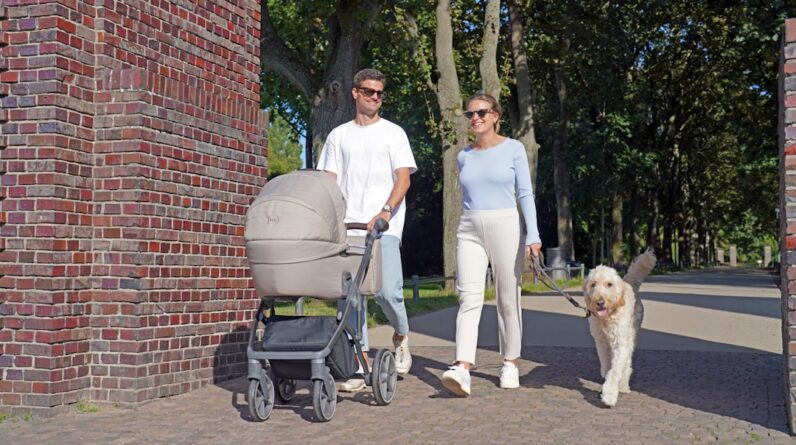
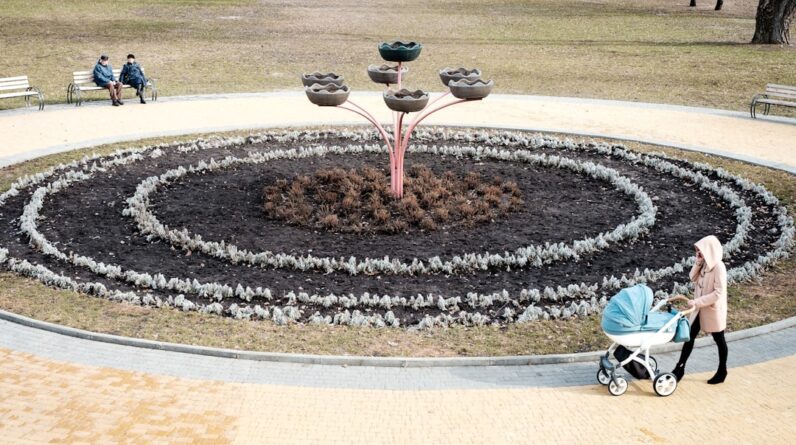
The baby carriage, often referred to as a stroller, has a rich history that dates back to the early 18th century. You might be surprised to learn that the first baby carriage was invented in 1733 by William Kent, an English architect. Kent designed it for the Duke of Devonshire, and it was initially intended to be pulled by a goat.
This whimsical design was not just a practical solution for transporting infants; it also reflected the social status of the family using it. As you delve into the history of baby carriages, you’ll find that they have evolved significantly over the centuries, transitioning from ornate, horse-drawn carriages to the sleek, modern designs we see today. As you explore the evolution of baby carriages, you’ll notice how they have adapted to meet the changing needs of parents and their children.
In the 19th century, baby carriages became more accessible to the general public, with various designs emerging to cater to different lifestyles. The introduction of lightweight materials and collapsible frames in the 20th century revolutionized how parents approached mobility with their little ones. Today, baby carriages are not just functional; they are also a reflection of personal style and practicality.
Understanding this background can help you appreciate the significance of your own baby carriage and its place in the broader narrative of parenting.
Key Takeaways
- The baby carriage has been a cherished family heirloom, passed down through generations.
- It features a sturdy steel frame, adjustable handle, and spacious storage basket, making it perfect for long walks with your little one.
- The decision to sell the baby carriage is due to limited storage space and the desire to pass it on to a family who will appreciate its history.
- Potential buyers include new parents, vintage collectors, and anyone looking for a unique and practical baby carriage.
- To maintain the baby carriage in unused condition, store it in a dry, cool place, clean it regularly, and avoid exposing it to direct sunlight.
- Pricing and negotiation for the baby carriage should take into account its sentimental value and the quality of its construction.
- Alternatives to selling the baby carriage include repurposing it as a decorative piece or donating it to a museum or historical society.
- Considerations for the baby carriage include its sentimental value, potential future use, and the importance of finding the right new owner.
Features and Specifications of the Baby Carriage
When considering a baby carriage, you’ll want to pay close attention to its features and specifications. Modern baby carriages come equipped with a variety of functionalities designed to enhance both safety and convenience. For instance, many models include adjustable canopies that provide protection from harmful UV rays while allowing for ventilation.
You may also find features like reclining seats, which can accommodate infants who need to lie flat, as well as older children who prefer sitting up and observing their surroundings. These thoughtful designs ensure that your child is comfortable during outings, whether it’s a quick trip to the grocery store or a leisurely stroll in the park. In addition to comfort features, safety is paramount when it comes to baby carriages.
Most models are equipped with a five-point harness system that secures your child safely in place. You might also appreciate features like locking wheels and sturdy brakes that prevent accidental rolling. Furthermore, many baby carriages are designed with durable materials that can withstand various weather conditions, ensuring longevity and reliability.
As you evaluate your own baby carriage, consider how these features align with your lifestyle and the specific needs of your child.
Reasons for Selling the Baby Carriage
There are numerous reasons why you might consider selling your baby carriage. One common reason is that your child has outgrown it. As children grow, their needs change, and what once was an essential item may no longer serve its purpose.
You may find yourself in a situation where your once-beloved carriage is now taking up valuable space in your home or garage. Selling it can not only declutter your living space but also provide you with some extra cash that can be put toward new necessities for your growing child. Another reason for selling could be a shift in lifestyle or circumstances.
Perhaps you’ve moved to a city where public transportation is more practical than driving, making a bulky baby carriage less useful. Alternatively, you might have decided to switch to a different model that better suits your current needs—maybe a lightweight stroller for quick errands or a jogging stroller for active outings. Whatever your reason may be, recognizing the need to sell can be an important step in ensuring that you have the right tools for parenting at every stage.
Potential Buyers for the Baby Carriage
When it comes to finding potential buyers for your baby carriage, you’ll discover that there is a diverse market out there. New parents are always on the lookout for quality baby gear at affordable prices, making them prime candidates for purchasing second-hand items. You might consider reaching out to local parenting groups or online marketplaces where parents frequently buy and sell used items.
Social media platforms can also be effective for connecting with potential buyers who are specifically searching for baby carriages. Additionally, consider targeting expectant parents who may be preparing for their first child. They often seek advice from experienced parents about what products are essential and may be interested in purchasing gently used items like your baby carriage.
You could even host a garage sale or participate in community events focused on family-oriented goods, allowing you to showcase your carriage directly to interested buyers. By understanding your audience and where to find them, you can increase your chances of making a successful sale.
Tips for Maintaining the Baby Carriage in Unused Condition
If you decide to hold onto your baby carriage for future use or until you find a buyer, proper maintenance is key to keeping it in excellent condition. Start by cleaning it thoroughly; remove any fabric components and wash them according to the manufacturer’s instructions. Wipe down the frame with a damp cloth and ensure that all moving parts are free from dirt and debris.
This simple cleaning routine will help prevent any deterioration while it’s in storage. Storing your baby carriage correctly is equally important. You’ll want to keep it in a dry, cool place away from direct sunlight to avoid fading or warping of materials.
If possible, disassemble any removable parts to save space and protect them from potential damage. Consider using protective covers or bags specifically designed for strollers to keep dust and moisture at bay. By taking these steps, you can ensure that your baby carriage remains in pristine condition until you’re ready to use it again or sell it.
Pricing and Negotiation for the Baby Carriage

Determining the right price for your baby carriage can be a delicate balance between attracting buyers and ensuring you receive fair value for your item. Start by researching similar models online to gauge their selling prices in both new and used conditions. This will give you a solid foundation upon which to base your pricing strategy.
Keep in mind factors such as age, condition, brand reputation, and any additional features that may enhance its value. When negotiating with potential buyers, be prepared to discuss the benefits of your specific model and why it’s worth the asking price. Highlight any unique features or accessories included with the sale that set it apart from other listings.
It’s also wise to remain flexible; many buyers will expect some room for negotiation, so consider setting your initial price slightly higher than your minimum acceptable offer. This way, you can engage in back-and-forth discussions without feeling pressured to accept an offer that doesn’t meet your expectations.
Alternatives to Selling the Baby Carriage
If selling your baby carriage doesn’t seem like the right option for you at this time, there are several alternatives worth considering. One possibility is donating it to a local charity or organization that supports families in need. Many shelters or community programs welcome gently used baby gear as they strive to assist new parents who may not have access to essential items.
This option not only helps others but also provides you with a sense of fulfillment knowing that your carriage will be put to good use. Another alternative is repurposing the baby carriage into something new and creative. With a bit of imagination, you could transform it into a decorative piece for your home or garden.
Some parents have turned old strollers into planters or unique storage solutions for toys or blankets. This approach allows you to keep a piece of nostalgia while giving it new life in a different form. Whether through donation or repurposing, these alternatives can provide meaningful ways to part with your baby carriage without simply selling it.
Final Thoughts and Considerations for the Baby Carriage
As you reflect on your journey with the baby carriage, consider how it has played an integral role in your parenting experience. From those early days of navigating parks with your newborn nestled inside to using it as a reliable companion during family outings, each moment spent with this item holds memories worth cherishing. Whether you choose to sell it, donate it, or repurpose it, remember that this decision is part of an ongoing journey as a parent.
Ultimately, whatever path you choose regarding your baby carriage should align with your values and circumstances. Take time to weigh your options carefully and consider what feels right for you and your family. The memories associated with this item will always remain with you, regardless of its physical presence in your life.
Embrace this transition as an opportunity for growth and change as you continue on this beautiful journey of parenthood.
If you are in the market for baby gear, you may also be interested in checking out the HEPA Fresheners Filter Small Room Cleaner Review. This article provides insights into a product that can help keep your baby’s nursery clean and free of allergens. It’s always important to create a safe and healthy environment for your little one, and this review can help you make an informed decision on a product that can assist in achieving that goal.
FAQs
What is a baby carriage?
A baby carriage, also known as a stroller or pram, is a wheeled vehicle designed for infants and young children. It is used to transport a baby from one place to another while providing comfort and protection.
Why would someone sell a baby carriage that has never been used?
There could be various reasons why someone would sell a baby carriage that has never been used. Some possible reasons include receiving it as a gift and not needing it, purchasing it but then finding it unsuitable for their needs, or simply deciding to use a different mode of transportation for their child.
What should I consider when buying a second-hand baby carriage?
When buying a second-hand baby carriage, it is important to consider the safety features, the condition of the carriage, and whether it meets current safety standards. It is also advisable to check for any recalls or safety alerts related to the specific model.
Are there any risks associated with buying a second-hand baby carriage?
There can be risks associated with buying a second-hand baby carriage, such as potential wear and tear, missing safety features, or outdated safety standards. It is important to thoroughly inspect the carriage and ensure that it meets current safety regulations before making a purchase.
What are some tips for buying a second-hand baby carriage?
Some tips for buying a second-hand baby carriage include thoroughly inspecting the carriage for any damage or wear, checking for safety features such as a secure harness and brakes, researching the specific model for any recalls or safety concerns, and testing the carriage to ensure it functions properly.