Vacuum sealer canning is a modern preservation method that combines the principles of vacuum sealing with the traditional canning process. Unlike conventional canning, which typically involves heating jars to create a vacuum seal, vacuum sealer canning utilizes a vacuum sealer machine to remove air from specially designed bags or containers. This method not only extends the shelf life of food but also helps maintain its flavor, texture, and nutritional value.
By eliminating air, you significantly reduce the chances of spoilage and freezer burn, making it an appealing option for those who want to store food for longer periods. In essence, vacuum sealer canning allows you to preserve a wide variety of foods, from fruits and vegetables to meats and prepared meals. The process is relatively straightforward and can be done at home with minimal equipment.
You simply place your food in a vacuum-sealable bag, use the machine to remove the air, and then store the sealed bags in your pantry or freezer. This method is particularly advantageous for those who enjoy meal prepping or bulk buying, as it enables you to keep your food fresh and ready for use whenever you need it.
Key Takeaways
- Vacuum sealer canning is a method of preserving food by removing air from the packaging to extend its shelf life.
- The benefits of vacuum sealer canning include preserving food freshness, preventing freezer burn, and saving space in the freezer or pantry.
- To use a vacuum sealer for canning, place the food in a vacuum-sealable bag, place the open end of the bag into the sealer, and let the machine remove the air and seal the bag.
- Tips for successful vacuum sealer canning include using the right size bags, properly sealing the bags, and labeling and dating the packages.
- Popular foods for vacuum sealer canning include meats, fish, fruits, vegetables, and soups.
- Vacuum sealer canning is compared to traditional canning in terms of convenience, shelf life, and flavor retention.
- Maintenance and care for vacuum sealer canning equipment involve regular cleaning, checking for wear and tear, and replacing parts as needed.
- In conclusion, whether vacuum sealer canning is right for you depends on your food preservation needs, storage space, and preference for convenience.
Benefits of Vacuum Sealer Canning
Extended Shelf Life
One of the primary benefits of vacuum sealer canning is its ability to extend the shelf life of food significantly. By removing air from the packaging, you inhibit the growth of bacteria, mold, and yeast, which are responsible for food spoilage. This means that you can enjoy your favorite foods long after their typical expiration dates.
Reduced Food Waste and Preserved Flavor
Additionally, vacuum-sealed foods can last up to five times longer than those stored in traditional containers, making it an excellent choice for anyone looking to reduce food waste. Another advantage is the preservation of flavor and nutrients. When food is exposed to air, it can undergo oxidation, leading to a loss of taste and nutritional value. Vacuum sealing minimizes this exposure, allowing you to enjoy the fresh taste of your food even months after sealing.
Versatility and Customization
Furthermore, this method is versatile; you can use it for a wide range of foods, including marinated meats, soups, and even dry goods like grains and nuts. The ability to customize your storage options makes vacuum sealer canning an attractive choice for both novice cooks and seasoned chefs alike.
How to Use a Vacuum Sealer for Canning
Using a vacuum sealer for canning is a straightforward process that requires just a few steps. First, gather your ingredients and prepare them as needed—this may involve washing, chopping, or cooking your food. Once your food is ready, place it into a vacuum-sealable bag, ensuring not to overfill it.
Leave enough space at the top of the bag to allow for proper sealing. If you’re sealing liquids or moist foods, consider using a special vacuum bag designed to prevent liquid from being sucked into the machine. Next, insert the open end of the bag into the vacuum sealer and follow the manufacturer’s instructions to initiate the sealing process.
Most machines will automatically detect when the bag is in place and begin removing air. Once the air has been removed, the machine will seal the bag tightly, creating an airtight environment for your food. After sealing, label each bag with the contents and date before storing them in your pantry or freezer.
This simple process allows you to efficiently preserve your food while keeping it fresh and flavorful.
Tips for Successful Vacuum Sealer Canning
To ensure successful vacuum sealer canning, there are several tips you should keep in mind. First, always use high-quality vacuum bags that are specifically designed for this purpose. Regular plastic bags may not provide an adequate seal or may break down over time, leading to spoilage.
Additionally, make sure that your food is dry before sealing; excess moisture can compromise the seal and lead to bacterial growth. Another important tip is to avoid overpacking your bags. While it may be tempting to fit as much food as possible into one bag, leaving some space allows for better air removal and sealing.
If you’re sealing liquids or moist foods, consider freezing them briefly before vacuum sealing; this will help prevent spills during the sealing process. Lastly, always check your seals after vacuuming; if you notice any air pockets or weak seals, re-seal the bag to ensure optimal preservation.
Popular Foods for Vacuum Sealer Canning
When it comes to vacuum sealer canning, there are countless foods that you can preserve effectively. Fruits such as berries, apples, and peaches are popular choices due to their natural sweetness and versatility in recipes. You can seal them whole or slice them for easy use in smoothies or desserts later on.
Vegetables like bell peppers, carrots, and green beans also lend themselves well to this method; blanching them briefly before sealing can enhance their color and texture. Meats are another excellent option for vacuum sealer canning. You can marinate chicken breasts or steaks before sealing them for added flavor when cooking later on.
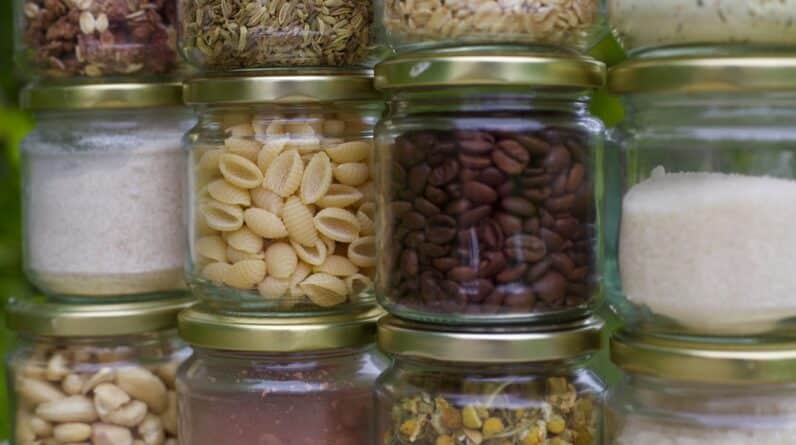
Additionally, prepared meals like soups and stews can be sealed in portions for quick reheating on busy days. Even dry goods such as pasta, rice, and nuts benefit from vacuum sealing by preventing moisture absorption and extending their shelf life significantly.
Vacuum Sealer Canning vs Traditional Canning
When comparing vacuum sealer canning to traditional canning methods, several key differences emerge. Traditional canning typically involves heating jars filled with food in a water bath or pressure cooker to create a vacuum seal through heat processing. This method requires more equipment and time but is effective for long-term preservation of high-acid foods like fruits and pickles.
On the other hand, vacuum sealer canning is quicker and more straightforward; it allows you to seal foods without the need for extensive cooking or processing. Another distinction lies in the types of foods that each method is best suited for. Traditional canning is ideal for preserving high-acid foods that benefit from heat treatment, while vacuum sealer canning excels with low-acid foods like meats and vegetables that may not require cooking before storage.
Additionally, vacuum-sealed foods often retain their original texture and flavor better than those processed through traditional methods due to less exposure to heat.
Maintenance and Care for Vacuum Sealer Canning Equipment
Proper maintenance of your vacuum sealer is crucial for ensuring its longevity and effectiveness in preserving food. After each use, clean the exterior of the machine with a damp cloth to remove any spills or debris that may have accumulated during sealing. Pay special attention to the sealing area; any residue left behind can affect future seals.
If your machine has removable parts, such as drip trays or gaskets, be sure to clean those regularly according to the manufacturer’s instructions. Additionally, check the condition of your vacuum bags before each use. Look for any signs of wear or damage that could compromise the seal during storage.
If you notice any holes or tears in the bags, discard them and use new ones instead. Regularly inspect your machine’s performance; if you notice any issues with suction or sealing quality, consult the user manual or contact customer support for troubleshooting tips.
Is Vacuum Sealer Canning Right for You?
In conclusion, vacuum sealer canning presents an innovative approach to food preservation that offers numerous benefits over traditional methods. With its ability to extend shelf life while maintaining flavor and nutrients, it’s an attractive option for anyone looking to reduce food waste or save money by buying in bulk. The ease of use and versatility make it suitable for both novice cooks and experienced chefs alike.
Ultimately, whether vacuum sealer canning is right for you depends on your lifestyle and cooking habits. If you frequently prepare meals in advance or enjoy preserving seasonal produce, investing in a vacuum sealer could be a game-changer in your kitchen routine. By embracing this modern preservation technique, you can enjoy fresh-tasting meals year-round while minimizing waste and maximizing convenience in your culinary endeavors.
If you are interested in preserving food and extending its shelf life, you may also want to consider investing in a Frestec Mini Fridge. This compact fridge is perfect for storing perishable items like fruits, vegetables, and dairy products. With its efficient cooling system, the Frestec Mini Fridge can help you keep your food fresh for longer periods of time. Check out our review of the Frestec Mini Fridge here.
FAQs
What is a vacuum sealer canning?
Vacuum sealer canning is a method of preserving food by removing air from the packaging and sealing it in an airtight container using a vacuum sealer.
How does vacuum sealer canning work?
Vacuum sealer canning works by removing air from the packaging, which helps to prevent the growth of bacteria and mold that can spoil food. The airtight seal created by the vacuum sealer helps to maintain the freshness of the food for a longer period of time.
What types of food can be preserved using vacuum sealer canning?
A wide variety of foods can be preserved using vacuum sealer canning, including fruits, vegetables, meats, and even liquids such as soups and sauces.
What are the benefits of vacuum sealer canning?
The benefits of vacuum sealer canning include extended shelf life for food, prevention of freezer burn, and preservation of the food’s flavor and nutritional value.
Are there any limitations to vacuum sealer canning?
While vacuum sealer canning is an effective method of food preservation, it may not be suitable for all types of food, such as delicate or soft items that can be crushed by the vacuum sealing process.
Is vacuum sealer canning safe?
When done properly, vacuum sealer canning is a safe method of food preservation. It is important to follow proper food safety guidelines and to use the vacuum sealer according to the manufacturer’s instructions.