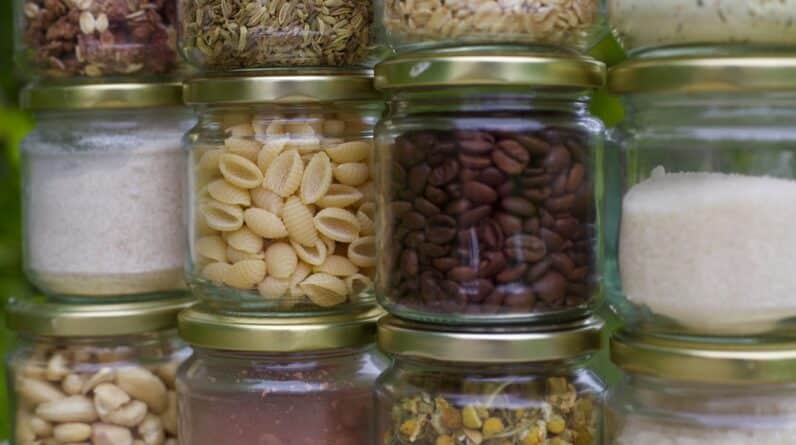
A vacuum sealer container is a specialized storage solution designed to preserve food by removing air from the container before sealing it. Unlike traditional storage methods, which often rely on plastic bags or wraps, vacuum sealer containers provide a more efficient and effective way to keep your food fresh for longer periods. These containers come in various shapes and sizes, allowing you to choose the one that best fits your needs, whether you’re storing leftovers, bulk purchases, or meal preps.
The design of a vacuum sealer container typically includes a lid that creates an airtight seal when closed. This feature is crucial because it prevents air from entering the container, which can lead to spoilage and degradation of food quality. By using a vacuum sealer container, you can significantly extend the shelf life of your food, making it an invaluable tool for anyone looking to reduce waste and save money on groceries.
Key Takeaways
- A vacuum sealer container is a food storage container that removes air from the container to preserve the freshness of the food inside.
- Vacuum sealer containers work by using a vacuum pump to remove air from the container, creating a tight seal to keep food fresh for longer periods of time.
- The benefits of using a vacuum sealer container include extended food freshness, prevention of freezer burn, and reduction of food waste.
- You can store a variety of foods in a vacuum sealer container, including meats, fruits, vegetables, and even liquids like soups and stews.
- When using a vacuum sealer container, it’s important to ensure that the food is properly sealed, label the containers, and store them in a cool, dry place for best results.
How Does a Vacuum Sealer Container Work?
How it Works
When you place food inside the container and close the lid, the vacuum sealer removes the air from the interior. This process is usually facilitated by a built-in pump that creates a vacuum environment, effectively sucking out the air and creating a tight seal around the food.
Benefits of Vacuum Sealing
Once the air is removed, the lid locks into place, ensuring that no air can re-enter the container. This vacuum-sealing process not only helps in preserving food but also minimizes the risk of freezer burn and oxidation. By eliminating air, you reduce the chances of bacteria growth and enzymatic reactions that can lead to spoilage.
Preserving Food Quality
The result is food that retains its flavor, texture, and nutritional value for much longer than it would in conventional storage methods.
Benefits of Using a Vacuum Sealer Container
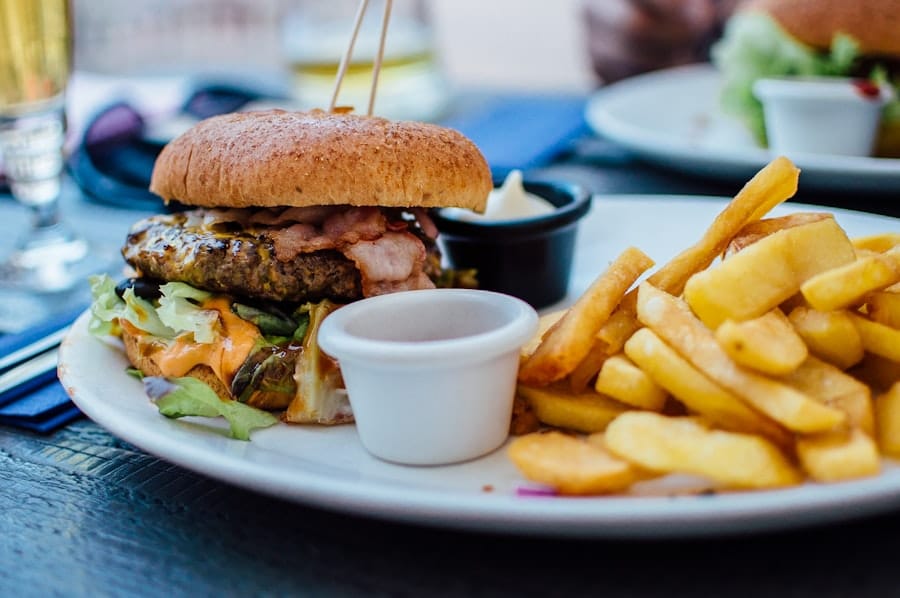
One of the primary benefits of using a vacuum sealer container is its ability to extend the shelf life of food significantly. When you remove air from the equation, you create an environment that is less conducive to spoilage. This means that fruits, vegetables, meats, and even leftovers can last much longer without losing their freshness or flavor.
For those who buy in bulk or prepare meals in advance, this can lead to substantial savings over time. Another advantage is the reduction of food waste. With a vacuum sealer container, you can store food for extended periods without worrying about it going bad.
This not only helps you save money but also contributes to a more sustainable lifestyle by minimizing the amount of food that ends up in landfills. Additionally, vacuum-sealed foods are often more convenient for meal planning and portion control, allowing you to easily access pre-prepared meals or snacks whenever you need them.
Types of Foods You Can Store in a Vacuum Sealer Container
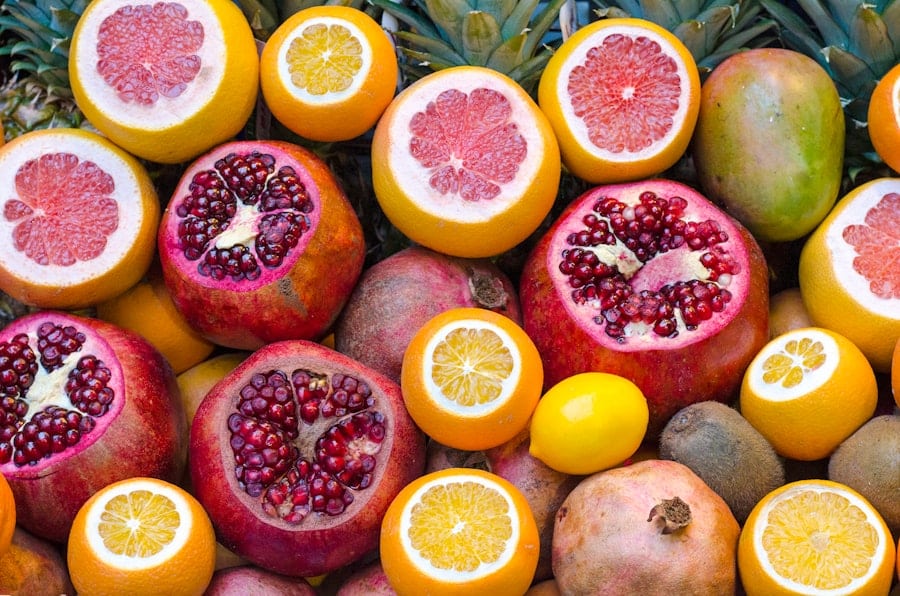
The versatility of vacuum sealer containers allows you to store a wide variety of foods. You can use them for fresh produce like fruits and vegetables, which tend to spoil quickly when exposed to air. By vacuum sealing these items, you can maintain their crispness and flavor for weeks or even months.
Additionally, meats and fish benefit greatly from vacuum sealing, as it prevents freezer burn and preserves their quality during long-term storage. You can also store dry goods such as grains, nuts, and spices in vacuum sealer containers. By keeping these items airtight, you prevent moisture from causing clumping or spoilage.
Even prepared meals can be stored in these containers, making them ideal for busy individuals who want to have healthy options readily available. The possibilities are nearly endless, allowing you to customize your food storage according to your lifestyle and dietary preferences.
Tips for Using a Vacuum Sealer Container
To get the most out of your vacuum sealer container, there are several tips you should keep in mind. First and foremost, ensure that the food you are sealing is clean and dry before placing it in the container. Excess moisture can lead to poor sealing and may compromise the freshness of your food.
If you’re sealing liquids or moist foods, consider using a vacuum sealer with a liquid setting or pre-freezing those items before sealing. Another important tip is to avoid overfilling the container. Leave enough space at the top to allow for proper sealing; this will help ensure that the lid closes tightly and creates an effective vacuum seal.
Additionally, label your containers with dates and contents so you can easily keep track of what you have stored and when it needs to be used. This simple practice can help you manage your pantry more efficiently and reduce waste.
Cleaning and Maintenance of a Vacuum Sealer Container
Cleaning the Container
After each use, wash the container with warm soapy water and rinse it thoroughly. Avoid using abrasive cleaners or scrubbers that could scratch the surface of the container or damage its sealing mechanism.
Cleaning Removable Parts
If your container has removable parts, such as gaskets or lids, be sure to clean those as well. This will ensure that all components are free from dirt and debris that could affect the container’s performance.
Inspecting and Replacing Parts
In addition to regular cleaning, it’s essential to inspect your vacuum sealer container periodically for any signs of wear or damage. Check seals and gaskets for cracks or deterioration that could affect performance. If you notice any issues, consider replacing those parts or investing in a new container altogether. By taking these steps, you can ensure that your vacuum sealer container remains in optimal condition for years to come.
Comparison of Vacuum Sealer Containers to Other Food Storage Methods
When comparing vacuum sealer containers to other food storage methods, it’s clear that they offer several advantages over traditional options like plastic bags or Tupperware. While plastic bags can be effective for short-term storage, they often allow air to seep back in over time, leading to spoilage. Tupperware may keep food fresh for a while but doesn’t provide the same level of airtight protection as vacuum-sealed containers.
Moreover, vacuum sealer containers are designed specifically for long-term storage, making them ideal for bulk purchases or meal prep. They also help prevent freezer burn more effectively than other methods, ensuring that your frozen foods maintain their quality over time. In contrast, other storage methods may require frequent monitoring and replacement due to their inability to create an airtight seal.
Where to Buy a Vacuum Sealer Container
If you’re interested in purchasing a vacuum sealer container, there are several options available to you. Many kitchen supply stores carry a variety of models, allowing you to see them in person before making a decision. Additionally, online retailers offer an extensive selection of vacuum sealer containers at competitive prices.
Websites like Amazon provide customer reviews that can help guide your choice based on others’ experiences. Before making a purchase, consider what features are most important to you—such as size, material, or compatibility with existing vacuum sealing systems. It’s also wise to compare prices across different platforms to ensure you’re getting the best deal possible.
With so many options available, you’re sure to find a vacuum sealer container that meets your needs and enhances your food storage practices. In conclusion, investing in a vacuum sealer container can revolutionize how you store food at home. With its ability to extend shelf life, reduce waste, and accommodate various types of foods, it’s an essential tool for anyone looking to improve their kitchen efficiency.
By following best practices for use and maintenance, you’ll enjoy fresh ingredients and meals while saving time and money in the long run.
If you’re looking to keep your food fresh for longer periods of time, you may want to consider investing in a Vacuum Sealer Container. This innovative kitchen tool helps to remove air from the container, preserving the freshness of your food. For more information on how to properly store your food to maintain its freshness, check out this helpful article on refrigerator freezer door gaskets. It’s important to ensure that your refrigerator and freezer are properly sealed to prevent air from entering and spoiling your food.
FAQs
What is a vacuum sealer container?
A vacuum sealer container is a food storage container that is designed to work with a vacuum sealer machine. It is used to remove air from the container, creating a vacuum seal that helps to preserve the freshness of the food inside.
How does a vacuum sealer container work?
A vacuum sealer container works by attaching to a vacuum sealer machine, which then removes the air from the container. This creates a vacuum seal that helps to prevent food spoilage and preserve the freshness of the contents.
What are the benefits of using a vacuum sealer container?
Using a vacuum sealer container can help to extend the shelf life of food by removing air and preventing the growth of bacteria and mold. It can also help to preserve the flavor and texture of the food, and reduce food waste by keeping it fresh for longer.
What types of food can be stored in a vacuum sealer container?
A vacuum sealer container can be used to store a wide variety of foods, including fruits, vegetables, meats, cheeses, and leftovers. It can also be used to store non-food items such as jewelry, documents, and other small items that need to be kept airtight.
Are vacuum sealer containers reusable?
Yes, vacuum sealer containers are designed to be reusable. They are made from durable materials that can withstand multiple uses, and can be washed and reused many times.
Can vacuum sealer containers be used in the freezer and microwave?
Many vacuum sealer containers are designed to be freezer and microwave safe, but it is important to check the specific product instructions to ensure that they can be used safely in these conditions.