A vacuum sealer Foodsaver is a kitchen appliance designed to remove air from specially designed bags or containers, creating a tight seal that preserves food for an extended period. By eliminating air, the vacuum sealing process helps to prevent spoilage, freezer burn, and the growth of bacteria, making it an essential tool for anyone looking to extend the shelf life of their food. This device is particularly popular among home cooks, meal preppers, and those who buy in bulk, as it allows you to store food efficiently and economically.
When you use a vacuum sealer Foodsaver, you can store a variety of food items, from meats and vegetables to dry goods and even liquids. The versatility of this appliance makes it a valuable addition to any kitchen. With its user-friendly design, you can quickly seal your food items and enjoy the benefits of longer-lasting freshness.
Whether you’re looking to save leftovers, prepare meals in advance, or simply keep your pantry organized, a vacuum sealer Foodsaver can help you achieve your culinary goals.
Key Takeaways
- A Vacuum Sealer Foodsaver is a device that removes air from food packaging to extend its shelf life and preserve its freshness.
- Using a Vacuum Sealer Foodsaver can help prevent freezer burn, reduce food waste, and save money by buying in bulk.
- To use a Vacuum Sealer Foodsaver, place the food in the bag, close the lid, and let the machine remove the air and seal the bag.
- When choosing a Vacuum Sealer Foodsaver, consider factors such as sealing strength, ease of use, and compatibility with different bag sizes.
- There are different types of Vacuum Sealer Foodsavers, including handheld, countertop, and chamber sealers, each with its own advantages and limitations.
Benefits of Using a Vacuum Sealer Foodsaver
One of the primary benefits of using a vacuum sealer Foodsaver is the significant extension of food shelf life. By removing air from the packaging, you drastically reduce the chances of oxidation and spoilage. This means that your meats can last up to three to five times longer in the freezer compared to traditional storage methods.
Vegetables and fruits also maintain their freshness and nutritional value for longer periods, allowing you to enjoy seasonal produce year-round. Another advantage is the cost-effectiveness that comes with using a vacuum sealer Foodsaver. By buying in bulk and sealing portions for later use, you can save money on groceries.
Additionally, you reduce food waste since sealed items can be stored for longer without spoiling. This not only benefits your wallet but also contributes to a more sustainable lifestyle by minimizing the amount of food that ends up in landfills. The convenience of having pre-portioned meals ready to go also means less time spent cooking during busy weekdays.
How to Use a Vacuum Sealer Foodsaver
Using a vacuum sealer Foodsaver is a straightforward process that can be broken down into a few simple steps. First, you need to prepare your food items by cutting them into appropriate portions. This ensures that they fit well into the vacuum bags and allows for even sealing.
Once your food is ready, place it inside the vacuum bag, making sure not to overfill it, as this can interfere with the sealing process. Next, insert the open end of the bag into the vacuum sealer’s designated area. Most Foodsaver models come with an easy-to-use interface that guides you through the sealing process.
After closing the lid, select the appropriate setting based on the type of food you’re sealing—some models even have specific settings for moist or dry foods. Once you press the start button, the machine will remove the air and create a tight seal around your food. In just a few moments, you’ll have perfectly sealed bags ready for storage.
Tips for Choosing the Right Vacuum Sealer Foodsaver
When selecting a vacuum sealer Foodsaver, consider your specific needs and how often you plan to use it. If you’re an occasional user who primarily seals leftovers or small portions, a compact model may suffice. However, if you’re an avid meal prepper or frequently buy in bulk, investing in a more robust machine with advanced features could be beneficial.
Look for models that offer multiple sealing options and settings tailored for different types of food. Another important factor to consider is the size and design of the vacuum sealer. If you have limited counter space or storage, opt for a compact model that can easily fit in your kitchen without taking up too much room.
Additionally, check for user-friendly features such as easy-to-read displays and intuitive controls. Reading customer reviews can also provide insight into the performance and reliability of various models, helping you make an informed decision.
Different Types of Vacuum Sealer Foodsavers
Vacuum sealers come in various types, each designed to cater to different needs and preferences. The most common type is the external vacuum sealer, which uses heat to seal bags after removing air. These models are typically more affordable and easier to use, making them ideal for home cooks who want a straightforward solution for food preservation.
Another option is the chamber vacuum sealer, which operates by placing bags inside a chamber where air is removed before sealing. This type is often used in commercial settings due to its ability to seal liquids and larger quantities of food effectively. While chamber sealers tend to be more expensive and bulkier than external models, they offer superior performance for those who require heavy-duty sealing capabilities.
Maintenance and Care for Vacuum Sealer Foodsavers
To ensure your vacuum sealer Foodsaver operates efficiently over time, regular maintenance and care are essential. Start by cleaning the exterior and interior surfaces after each use to prevent any food residue from building up. Most models come with removable drip trays that can be washed easily; make sure to clean these regularly as well.
Additionally, check the sealing strips periodically for wear and tear. If you notice any damage or if the seal isn’t as tight as it used to be, replacing these strips can significantly improve performance. Always refer to your user manual for specific maintenance guidelines tailored to your model, as proper care will extend its lifespan and keep it functioning optimally.
Creative Ways to Use a Vacuum Sealer Foodsaver
Beyond simply preserving food, there are numerous creative ways to utilize your vacuum sealer Foodsaver in everyday life. For instance, you can use it for marinating meats quickly; by vacuum sealing your marinade with the meat, you allow flavors to penetrate more deeply in a fraction of the time compared to traditional marinating methods. This technique can elevate your cooking game and lead to more flavorful dishes.
You can also use your vacuum sealer for organizing non-food items around your home. For example, consider sealing seasonal clothing or bedding in vacuum bags to save space in your closets. This method not only keeps items protected from dust but also maximizes storage efficiency.
Additionally, you can create DIY kits for crafts or hobbies by sealing all necessary materials together in one bag—making it easy to grab and go whenever inspiration strikes.
Frequently Asked Questions about Vacuum Sealer Foodsavers
Many people have questions about vacuum sealers before making a purchase or starting to use one. A common inquiry revolves around whether vacuum-sealed foods are safe for long-term storage. The answer is yes; when properly sealed and stored at appropriate temperatures, vacuum-sealed foods can last significantly longer than those stored using traditional methods.
Another frequently asked question concerns whether all foods can be vacuum sealed. While most solid foods are suitable for vacuum sealing, certain items like soft cheeses or delicate fruits may not hold up well under pressure. It’s essential to familiarize yourself with which foods work best with your specific model and adjust your sealing techniques accordingly for optimal results.
In conclusion, investing in a vacuum sealer Foodsaver can transform how you store and preserve food in your kitchen. With its numerous benefits—from extending shelf life to reducing waste—this appliance proves invaluable for anyone looking to enhance their culinary experience while saving time and money. By understanding how to use it effectively and exploring creative applications beyond food preservation, you’ll find that a vacuum sealer Foodsaver is not just a tool but an essential companion in your kitchen adventures.
If you’re looking to upgrade your kitchen appliances, you may also be interested in the Levoit Air Purifier. This device can help improve the air quality in your home, making it a healthier environment for you and your family. Just like the Vacuum Sealers Foodsaver, the Levoit Air Purifier is a convenient and efficient solution for everyday needs.
FAQs
What is a Vacuum Sealer Foodsaver?
A Vacuum Sealer Foodsaver is a kitchen appliance that removes air from a package of food and seals it to preserve its freshness and flavor. It helps to extend the shelf life of food and prevent freezer burn.
How does a Vacuum Sealer Foodsaver work?
A Vacuum Sealer Foodsaver works by removing air from the packaging of food items using a vacuum pump and then sealing the package with heat to create an airtight seal. This process helps to prevent the growth of bacteria and mold, and preserves the quality of the food.
What are the benefits of using a Vacuum Sealer Foodsaver?
Using a Vacuum Sealer Foodsaver can help to extend the shelf life of food, prevent freezer burn, and reduce food waste. It also helps to preserve the flavor, texture, and nutritional value of the food.
What types of food can be sealed with a Vacuum Sealer Foodsaver?
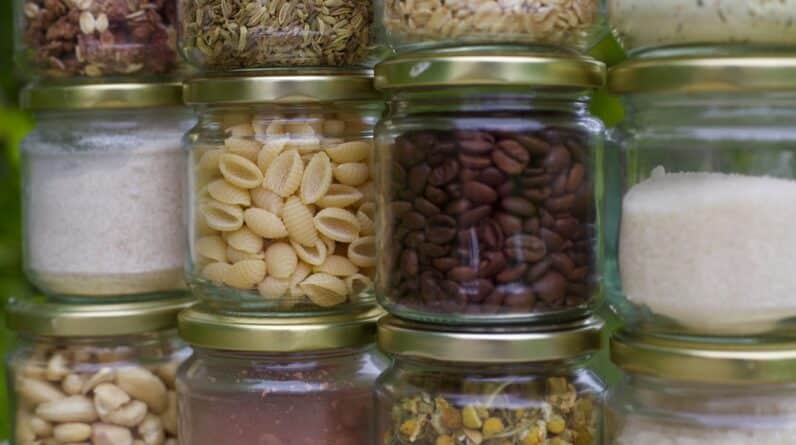
A Vacuum Sealer Foodsaver can be used to seal a wide variety of food items including meats, fish, fruits, vegetables, cheese, and leftovers. It can also be used to vacuum seal dry goods such as grains, nuts, and coffee beans.
Are there any limitations to using a Vacuum Sealer Foodsaver?
While a Vacuum Sealer Foodsaver is effective for preserving most types of food, it may not be suitable for sealing certain delicate or soft foods such as fresh mushrooms, soft cheeses, and raw mushrooms. Additionally, liquids can be difficult to seal with a vacuum sealer.
How do I choose the right Vacuum Sealer Foodsaver for my needs?
When choosing a Vacuum Sealer Foodsaver, consider factors such as the size and type of food items you plan to seal, the frequency of use, and any additional features you may need such as a built-in cutter or roll storage. It’s also important to consider the cost of bags or rolls that are compatible with the vacuum sealer.