When you decide to sleep with an air purifier on, you are making a choice that can significantly enhance your sleep quality. One of the primary benefits is the reduction of allergens in your bedroom. Dust mites, pollen, pet dander, and mold spores can all contribute to poor air quality and trigger allergies or asthma symptoms.
By running an air purifier, you actively filter out these irritants, creating a cleaner environment that can help you breathe easier at night. This is especially beneficial for those who suffer from respiratory issues or allergies, as it can lead to fewer nighttime awakenings and a more restful sleep. In addition to alleviating allergy symptoms, an air purifier can also help eliminate unpleasant odors.
Whether it’s the lingering smell of cooking, pet odors, or even smoke, these scents can disrupt your ability to relax and fall asleep. An air purifier equipped with activated carbon filters can effectively absorb and neutralize these odors, allowing you to enjoy a fresher atmosphere. The result is a more inviting space that promotes relaxation and comfort, making it easier for you to drift off into a deep slumber.
Key Takeaways
- Sleeping with an air purifier on can improve air quality, reducing allergens and pollutants for better sleep
- Potential drawbacks of sleeping with an air purifier on include noise and potential dryness in the air
- When choosing an air purifier for your bedroom, consider the size of the room and the specific pollutants you want to target
- To use an air purifier safely while sleeping, place it at a distance from the bed and follow maintenance instructions
- Common misconceptions about air purifiers and sleep include the belief that they can cure sleep disorders
- Alternatives to sleeping with an air purifier on include keeping windows closed and using hypoallergenic bedding
- Clean air is important for quality sleep, as it can reduce snoring and improve respiratory health
- Experts have varying opinions on sleeping with an air purifier on, with some recommending it for allergy sufferers and others cautioning against potential drawbacks
The Potential Drawbacks of Sleeping with an Air Purifier On
While there are numerous benefits to sleeping with an air purifier on, it’s essential to consider some potential drawbacks as well. One concern is the noise level of certain models. Many air purifiers operate with a fan that can produce varying levels of sound, which might be disruptive for light sleepers.
If you are sensitive to noise, you may find it challenging to fall asleep or stay asleep with a loud purifier running in the background. It’s crucial to choose a model that operates quietly or has a “sleep mode” feature designed to minimize noise during nighttime hours. Another potential drawback is the maintenance required for air purifiers.
Filters need to be replaced regularly to ensure optimal performance, and this can be an added expense and responsibility. If you forget to change the filters or neglect maintenance, the purifier may not function effectively, leading to poor air quality instead of the clean environment you desire. Additionally, some individuals may experience dryness in their throat or skin due to the continuous circulation of air, especially if the purifier lacks a humidifying feature.
It’s important to weigh these factors against the benefits when deciding whether to sleep with an air purifier on.
How to Choose the Right Air Purifier for Your Bedroom
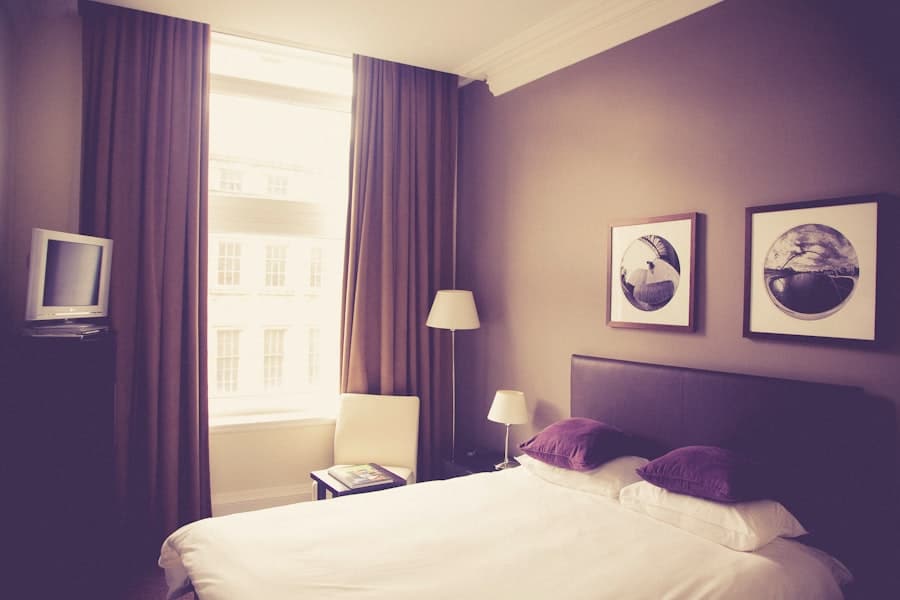
Selecting the right air purifier for your bedroom involves considering several key factors that align with your specific needs. First and foremost, assess the size of your room. Air purifiers come with different coverage capacities, so it’s essential to choose one that can effectively clean the air in your space.
A unit that is too small may struggle to filter out pollutants efficiently, while one that is too large may be unnecessary and consume more energy than needed. Next, pay attention to the type of filters used in the air purifier. HEPA filters are highly recommended for their ability to capture 99.97% of particles as small as 0.3 microns, making them ideal for trapping allergens and dust.
Additionally, consider whether the unit has activated carbon filters for odor removal and UV-C light features for killing bacteria and viruses. Understanding these specifications will help you make an informed decision that ensures you get the most out of your investment in clean air.
Tips for Using an Air Purifier Safely While Sleeping
To maximize the benefits of your air purifier while ensuring safety during sleep, there are several tips you should follow. First, place the air purifier in a location where it can circulate air effectively without obstruction. Ideally, it should be positioned at least a few feet away from walls and furniture to allow for optimal airflow.
Avoid placing it directly next to your bed, as this could lead to excessive airflow directly onto you while you sleep. Another important consideration is the power source. Ensure that your air purifier is plugged into a surge protector or a wall outlet that is not overloaded with other devices.
This will help prevent any electrical issues while you sleep. Additionally, regularly check the filter status and clean or replace filters as needed to maintain efficiency and prevent any potential health risks associated with dirty filters.
Common Misconceptions About Air Purifiers and Sleep
There are several misconceptions surrounding air purifiers and their impact on sleep that can lead to confusion. One common myth is that all air purifiers are noisy and disruptive. While some models do produce noise, many modern air purifiers are designed with quiet operation in mind, especially those marketed for bedroom use.
By researching and selecting a model specifically designed for low noise levels, you can enjoy clean air without sacrificing your peace during sleep. Another misconception is that air purifiers can completely eliminate all airborne pollutants. While they are effective at reducing allergens and odors, they cannot remove every single particle from the air.
For instance, larger particles like pet hair may require additional cleaning methods such as vacuuming or dusting. Understanding the limitations of your air purifier will help set realistic expectations and encourage you to adopt a comprehensive approach to maintaining clean indoor air.
Alternatives to Sleeping with an Air Purifier On
If sleeping with an air purifier on doesn’t seem like the right fit for you, there are alternative methods to improve indoor air quality while you sleep. One effective option is to keep windows open during cooler nights when outdoor air quality is good. This natural ventilation allows fresh air to circulate through your bedroom, diluting indoor pollutants and providing a refreshing atmosphere.
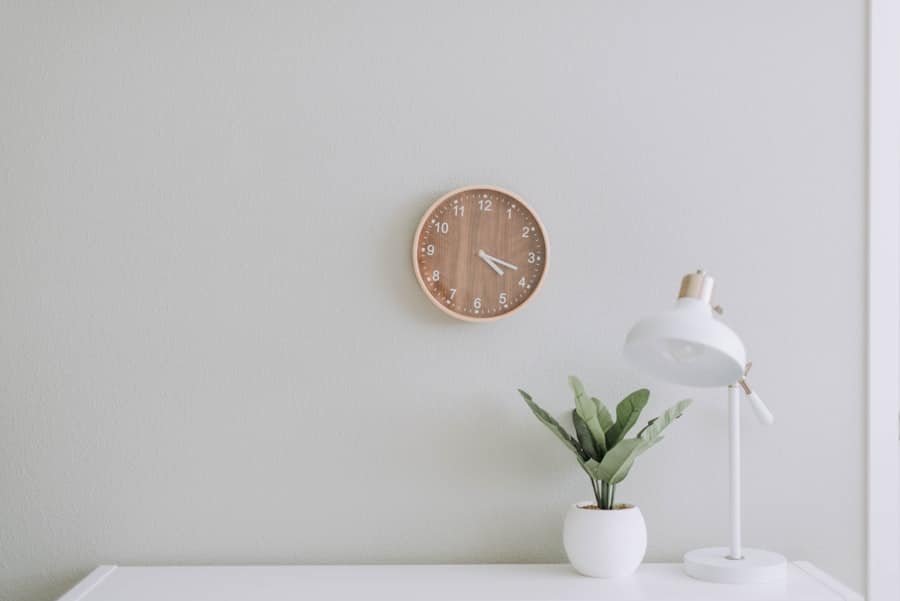
Another alternative is using houseplants known for their air-purifying qualities. Plants such as spider plants, peace lilies, and snake plants can help filter toxins from the air while also adding a touch of nature to your space. However, be mindful of any allergies you may have to certain plants before introducing them into your bedroom environment.
The Importance of Clean Air for Quality Sleep
Clean air plays a crucial role in achieving quality sleep and overall well-being. When you breathe in polluted or allergen-laden air, it can lead to discomfort and disrupt your sleep cycle. Poor air quality has been linked to increased instances of insomnia and restless nights, making it essential to prioritize clean air in your sleeping environment.
Moreover, clean air contributes not only to better sleep but also to improved health outcomes in general. It supports respiratory function and reduces the risk of developing chronic conditions related to poor indoor air quality. By ensuring that your bedroom has clean air—whether through an air purifier or other methods—you are investing in both your immediate comfort and long-term health.
Expert Opinions on Sleeping with an Air Purifier On
Experts in sleep medicine and environmental health often advocate for the use of air purifiers in bedrooms, particularly for individuals suffering from allergies or asthma. They emphasize that cleaner air can lead to improved sleep quality by reducing nighttime awakenings caused by respiratory irritants. Many professionals recommend using HEPA-filtered units due to their effectiveness in capturing small particles that can disrupt breathing during sleep.
Additionally, experts suggest that individuals should consider their unique circumstances when deciding whether to use an air purifier at night. Factors such as existing health conditions, sensitivity to allergens, and personal preferences regarding noise levels should all be taken into account. Ultimately, consulting with healthcare providers can provide personalized recommendations tailored to your specific needs and help you make informed decisions about incorporating an air purifier into your nightly routine.
In conclusion, sleeping with an air purifier on offers numerous benefits but also comes with potential drawbacks that should be carefully considered. By understanding how to choose the right model and using it safely while sleeping, you can create a healthier sleeping environment that promotes restful nights and rejuvenated mornings. Whether you opt for an air purifier or explore alternative methods for improving indoor air quality, prioritizing clean air is essential for achieving optimal sleep and overall well-being.
If you’re considering investing in an air purifier for better sleep quality, you may also be interested in upgrading your home entertainment system with the Technics Turntable Audiophile Grade Cartridge and Auto Lift. This article provides a detailed review of this high-quality turntable, perfect for music lovers looking to enhance their listening experience. With its advanced features and superior sound quality, the Technics Turntable is a great addition to any home audio setup. Check out the full review here.
FAQs
What is an air purifier?
An air purifier is a device that helps remove contaminants from the air, such as dust, pollen, pet dander, and smoke. It can improve indoor air quality and reduce the risk of respiratory problems.
How does an air purifier work?
Air purifiers work by drawing in air and passing it through a series of filters that capture particles and pollutants. Some air purifiers also use ionizers or UV light to neutralize and eliminate airborne contaminants.
Is it safe to sleep with an air purifier on?
It is generally safe to sleep with an air purifier on, as long as the device is properly maintained and used according to the manufacturer’s instructions. However, some people may be sensitive to the noise or airflow of the air purifier while sleeping.
What are the benefits of sleeping with an air purifier on?
Sleeping with an air purifier on can help improve indoor air quality, reduce allergens and pollutants in the air, and create a cleaner and healthier sleeping environment. This can lead to better sleep and overall well-being.
Are there any potential drawbacks to sleeping with an air purifier on?
Some potential drawbacks of sleeping with an air purifier on include the noise or airflow of the device, the need for regular filter replacement or maintenance, and the potential for over-drying the air in the room. It’s important to consider these factors before deciding to sleep with an air purifier on.