In today’s world, where air quality is increasingly compromised by pollution, allergens, and other harmful particles, air purifiers have emerged as essential devices for maintaining a healthy indoor environment. You may find yourself wondering about the benefits of these machines and how they can improve your quality of life. Air purifiers are designed to filter out contaminants from the air in your home or office, providing you with cleaner, fresher air to breathe.
They can effectively remove dust, pollen, pet dander, smoke, and even certain bacteria and viruses, making them particularly beneficial for individuals with allergies or respiratory issues. As you consider incorporating an air purifier into your living space, it’s important to understand their primary function. These devices work by drawing in air from the surrounding environment, passing it through a series of filters that capture various pollutants, and then releasing purified air back into the room.
This process not only enhances the air quality but can also contribute to a more comfortable and healthier living space. However, while air purifiers are excellent at cleaning the air, they can also have an impact on humidity levels, which is a crucial aspect of indoor comfort that you should be aware of.
Key Takeaways
- Air purifiers help to remove airborne pollutants and allergens from indoor air, improving air quality and reducing health risks.
- Air purifiers work by drawing in air, passing it through a filter to remove particles, and then releasing clean air back into the room.
- Some air purifiers can potentially lower humidity levels in a room, which may have both positive and negative effects on health and comfort.
- Factors such as the type of air purifier, room size, and environmental conditions can affect the impact of an air purifier on air moisture.
- To prevent air purifiers from drying out the air, consider using a humidifier, choosing an air purifier with a built-in humidifier, or placing plants in the room to naturally increase humidity levels.
How Air Purifiers Work
To grasp the full potential of air purifiers, it’s essential to understand how they operate. Most air purifiers utilize a multi-stage filtration system that includes pre-filters, HEPA filters, and activated carbon filters. The pre-filter captures larger particles like dust and hair, preventing them from clogging the more delicate HEPA filter.
The HEPA filter is designed to trap smaller particles, including allergens and fine dust, with an efficiency of 99.97% for particles as small as 0.3 microns. Finally, the activated carbon filter absorbs odors and volatile organic compounds (VOCs), ensuring that the air you breathe is not only clean but also free from unpleasant smells. As you use an air purifier, it’s important to consider the size of the unit in relation to the space it’s intended to serve.
Each air purifier has a specified Clean Air Delivery Rate (CADR), which indicates how effectively it can filter air in a given area. When selecting an air purifier, you should ensure that its CADR is appropriate for the size of your room. This will maximize its efficiency and ensure that you are getting the best possible results in terms of air quality improvement.
Potential Effects of Air Purifiers on Humidity Levels

While air purifiers excel at removing pollutants from the air, they can inadvertently affect humidity levels in your home. Many people may not realize that the process of filtering air can lead to a decrease in moisture content. As air passes through the purifier, especially if it is equipped with a fan, it can create a drying effect that may leave your indoor environment feeling less comfortable.
This is particularly noticeable in areas with already low humidity levels or during winter months when indoor heating systems further reduce moisture in the air. You might experience symptoms such as dry skin, irritated eyes, or a scratchy throat if your indoor humidity drops too low due to the use of an air purifier. It’s essential to monitor these changes and take steps to mitigate any adverse effects on your comfort.
Understanding how your air purifier interacts with humidity levels will help you make informed decisions about its use and ensure that you maintain a balanced indoor environment.
Factors Affecting Air Purifier’s Impact on Air Moisture
Several factors can influence how much an air purifier affects humidity levels in your home. One significant factor is the type of air purifier you choose. For instance, traditional HEPA filters primarily focus on particle removal and do not add moisture back into the air.
In contrast, some models come equipped with humidifying features that can help maintain or even increase humidity levels while purifying the air. If you live in a particularly dry climate or have concerns about maintaining adequate moisture levels, selecting a model with built-in humidification may be beneficial. Another factor to consider is the size of the room where you are using the air purifier.
In smaller spaces, the impact on humidity may be more pronounced due to limited airflow and circulation. Conversely, in larger rooms, the effects may be less noticeable as the purifier works harder to clean the air over a broader area. Additionally, external factors such as weather conditions and seasonal changes can also play a role in how humidity levels fluctuate in your home.
By being aware of these variables, you can better manage your indoor environment and ensure that your air purifier serves its purpose without compromising comfort.
Tips for Using Air Purifiers Without Drying Out the Air
To enjoy the benefits of an air purifier while minimizing its impact on humidity levels, there are several strategies you can implement. First and foremost, consider placing a humidifier in conjunction with your air purifier. This combination allows you to purify the air while simultaneously adding moisture back into it.
By maintaining an optimal humidity level between 30% and 50%, you can create a more comfortable living environment that supports respiratory health. Another effective tip is to monitor humidity levels using a hygrometer. This small device measures indoor humidity and can help you keep track of fluctuations caused by your air purifier.
If you notice that humidity levels are dropping too low, you can adjust your usage accordingly or increase moisture through other means, such as placing bowls of water near heat sources or using houseplants that naturally release moisture into the air.
Choosing the Right Air Purifier for Your Needs
When selecting an air purifier, it’s crucial to consider your specific needs and preferences. Start by assessing the size of the space where you plan to use the device; this will help you determine the appropriate CADR rating for effective filtration. Additionally, think about any specific allergens or pollutants you want to target—some purifiers are designed with specialized filters for pet dander or smoke removal.
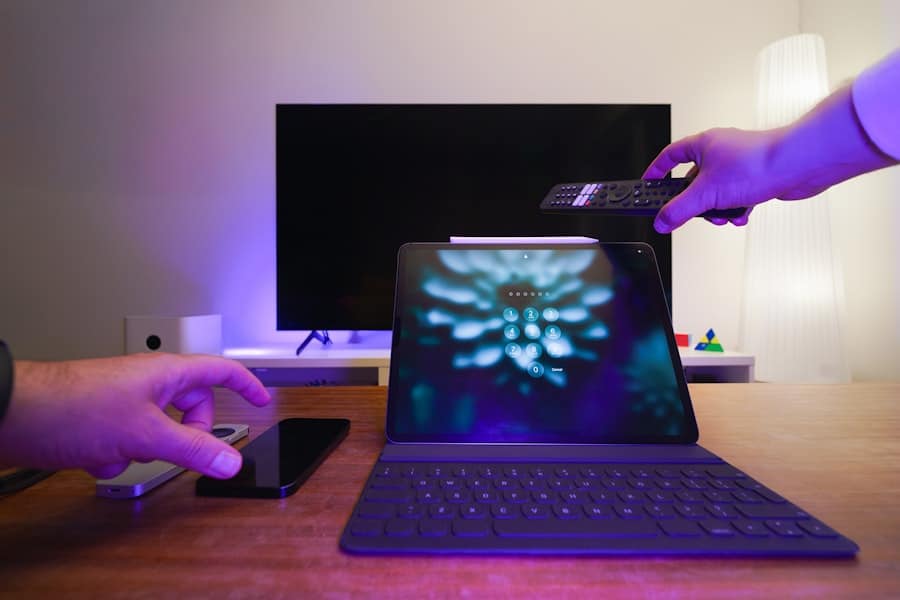
You should also evaluate additional features that may enhance your experience. For example, some modern air purifiers come equipped with smart technology that allows you to control settings via smartphone apps or voice commands. Others may include features like air quality sensors that automatically adjust fan speeds based on current conditions.
By taking these factors into account, you can choose an air purifier that not only meets your filtration needs but also complements your lifestyle.
Other Methods for Maintaining Optimal Indoor Humidity Levels
In addition to using an air purifier and humidifier combination, there are several other methods you can employ to maintain optimal indoor humidity levels. One effective approach is to ensure proper ventilation throughout your home. Opening windows when weather permits allows fresh outdoor air to circulate and can help balance humidity levels naturally.
Additionally, using exhaust fans in kitchens and bathrooms can help remove excess moisture generated from cooking or showering. Another method involves incorporating natural elements into your living space. Houseplants not only enhance aesthetics but also contribute to humidity through a process called transpiration—where plants release moisture into the air as they breathe.
Consider adding plants like peace lilies or spider plants that thrive indoors and help maintain a comfortable humidity level while improving overall air quality.
Finding the Balance with Air Purifiers and Air Moisture
In conclusion, while air purifiers play a vital role in enhancing indoor air quality by removing harmful pollutants, it’s essential to be mindful of their potential impact on humidity levels. By understanding how these devices work and implementing strategies to maintain optimal moisture content in your home, you can enjoy cleaner air without sacrificing comfort. Whether through the use of humidifiers, monitoring humidity levels with hygrometers, or selecting the right type of air purifier for your needs, finding balance is key.
Ultimately, creating a healthy indoor environment requires a holistic approach that considers both air quality and moisture levels. By taking proactive steps to manage these factors effectively, you can ensure that your living space remains comfortable and conducive to well-being for you and your loved ones. Embrace the benefits of clean air while keeping an eye on humidity—your respiratory health will thank you for it!
If you are concerned about the air quality in your home, you may also be interested in reading about the benefits of using fabric resistance bands for exercise. These bands are a great way to stay active indoors and improve your overall health. Check out this article for more information on how they can help you achieve your fitness goals.
FAQs
What is an air purifier?
An air purifier is a device that helps to remove contaminants from the air, such as dust, pollen, pet dander, and smoke. It can improve indoor air quality and help reduce the symptoms of allergies and asthma.
Do air purifiers dry the air out?
Some air purifiers can contribute to drying out the air, especially if they use a technology that produces ozone. Ozone-generating air purifiers can remove moisture from the air, leading to dryness. However, most modern air purifiers do not significantly dry out the air.
How can I prevent air purifiers from drying out the air?
To prevent air purifiers from drying out the air, you can choose a model that does not produce ozone. Additionally, using a humidifier in the same room can help maintain the moisture levels in the air.
Are there air purifiers that can add moisture to the air?
Yes, there are air purifiers with built-in humidifiers that can add moisture to the air while also removing contaminants. These devices are designed to maintain a healthy balance of humidity in the air.