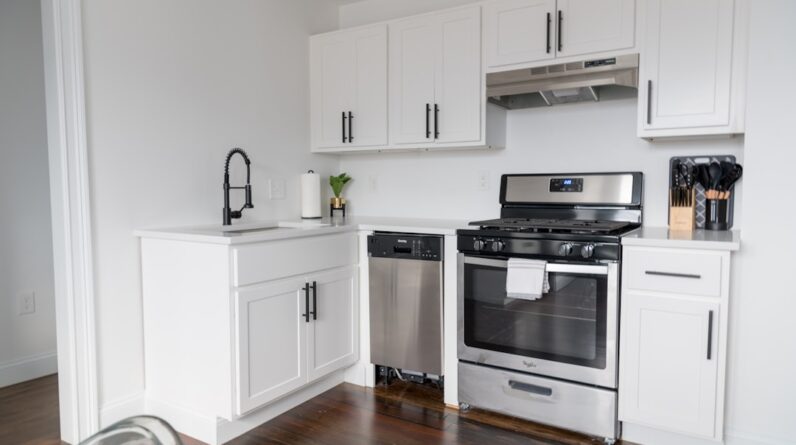
You may have noticed that the kitchen is often a melting pot of aromas, some delightful and others less so. Cooking can fill your home with the enticing scent of freshly baked bread or simmering spices, but it can also leave behind lingering odors from burnt food, fish, or strong spices. These smells can be particularly stubborn, clinging to surfaces and fabrics long after the cooking has ceased.
Understanding the nature of these kitchen smells is essential for anyone who enjoys cooking or simply wants to maintain a pleasant living environment. The sources of kitchen odors are varied and can stem from a multitude of ingredients and cooking methods. For instance, frying foods can release greasy vapors that settle on surfaces, while boiling certain vegetables can produce strong, sometimes off-putting scents.
Even the act of reheating leftovers can introduce unwanted smells into your home. As you navigate your culinary adventures, you may find that some odors are more persistent than others, making it crucial to explore effective solutions for maintaining a fresh atmosphere in your kitchen.
Key Takeaways
- Kitchen smells can be unpleasant and difficult to remove, but air purifiers can help to eliminate them.
- Air purifiers work by filtering out particles and odors from the air, leaving it clean and fresh.
- There are different types of air purifiers, including HEPA filters, activated carbon filters, and ozone generators, each with its own strengths and weaknesses.
- Air purifiers can be effective in removing kitchen smells, but it’s important to choose the right type and size for the kitchen space.
- In addition to using an air purifier, there are other tips for reducing kitchen odors, such as proper ventilation and regular cleaning.
How Air Purifiers Work
Air purifiers are designed to improve indoor air quality by removing pollutants and allergens from the air. They operate using various technologies, including filters, ionizers, and UV light, to capture and neutralize airborne particles. When you turn on an air purifier, it draws in air from the surrounding environment, passing it through a series of filters that trap dust, smoke, pet dander, and other contaminants.
This process not only cleans the air but also helps to reduce unpleasant odors that may linger in your kitchen. One of the most common types of filters used in air purifiers is the HEPA filter, which is highly effective at capturing small particles. However, to tackle kitchen smells specifically, many air purifiers also incorporate activated carbon filters.
These filters are designed to absorb odors and volatile organic compounds (VOCs) that are often released during cooking. By understanding how these devices work, you can better appreciate their role in creating a fresher kitchen environment.
Types of Air Purifiers

When it comes to choosing an air purifier for your kitchen, you’ll find a variety of options available on the market. Each type has its own unique features and benefits tailored to different needs. For instance, some air purifiers utilize HEPA filters combined with activated carbon to effectively target both particulate matter and odors.
This combination makes them particularly suitable for kitchens where cooking odors can be prevalent. Another option is the ionizer air purifier, which works by emitting negatively charged ions into the air. These ions attach themselves to positively charged particles, causing them to clump together and fall to the ground or be captured by the purifier’s collection plates.
While ionizers can help reduce airborne particles, they may not be as effective at eliminating odors compared to HEPA and activated carbon models. Additionally, there are UV light air purifiers that use ultraviolet light to kill bacteria and viruses in the air, providing an extra layer of protection against unwanted smells caused by foodborne pathogens.
Effectiveness of Air Purifiers in Removing Kitchen Smells
You might wonder just how effective air purifiers are at tackling those stubborn kitchen smells. The answer largely depends on the type of air purifier you choose and its specific features. Models equipped with activated carbon filters are particularly adept at absorbing odors from cooking, as they have a large surface area that allows them to trap various volatile compounds released during food preparation.
This means that if you frequently cook with strong-smelling ingredients like garlic or fish, an air purifier with activated carbon can significantly improve your kitchen’s air quality. However, it’s important to note that while air purifiers can help reduce odors, they may not eliminate them entirely. For instance, if you’ve just cooked a particularly pungent meal, an air purifier will work best when used in conjunction with other odor-reducing strategies.
This could include proper ventilation through open windows or exhaust fans, as well as regular cleaning of surfaces where food particles may accumulate. By combining these methods with an effective air purifier, you can create a more pleasant cooking environment.
Additional Tips for Reducing Kitchen Odors
In addition to using an air purifier, there are several practical steps you can take to minimize kitchen odors. One effective method is to ensure proper ventilation while cooking. Opening windows or using exhaust fans can help dissipate strong smells quickly, preventing them from settling into your home’s fabrics and surfaces.
You might also consider placing bowls of vinegar or baking soda around your kitchen; both substances are known for their odor-absorbing properties and can help neutralize unwanted scents. Another tip is to clean your kitchen regularly and thoroughly. Food particles left on countertops or in appliances can contribute to lingering odors over time.
Make it a habit to wipe down surfaces after cooking and clean out your refrigerator regularly to remove any expired items that may be causing unpleasant smells. Additionally, consider using natural odor absorbers like coffee grounds or citrus peels; these can add a pleasant fragrance while helping to combat unwanted odors.
Potential Drawbacks of Using an Air Purifier in the Kitchen
Ozone Emissions: A Potential Health Risk
Some air purifiers may produce ozone as a byproduct of their operation, which can be harmful when inhaled in high concentrations. This can exacerbate respiratory issues for some individuals. Therefore, it’s essential to choose an air purifier that is certified as ozone-free or has low ozone emissions.
Maintenance Requirements
Air purifiers require regular maintenance to function effectively. This includes changing filters according to the manufacturer’s recommendations and ensuring that the unit is clean and free from dust buildup. If neglected, an air purifier may not perform optimally, leading you to believe it’s ineffective at reducing kitchen odors when in reality it simply needs maintenance.
Additional Considerations
Some air purifier models can be noisy during operation, which might be disruptive in a busy kitchen environment. It’s essential to consider these factors before making a purchase to ensure you find an air purifier that meets your needs and provides effective odor reduction in your kitchen.
Do Air Purifiers Help with Kitchen Smells?
In conclusion, air purifiers can indeed play a significant role in reducing kitchen smells when used correctly and in conjunction with other odor-reducing strategies. Their ability to filter out airborne particles and absorb odors makes them a valuable addition to any cooking space. However, it’s crucial to select the right type of air purifier for your needs and maintain it properly for optimal performance.
While they may not completely eliminate all kitchen odors on their own, air purifiers can significantly improve overall air quality and create a more pleasant cooking environment. By combining their use with good ventilation practices and regular cleaning routines, you can enjoy a fresher kitchen that enhances your culinary experiences.
Recommendations for Choosing an Air Purifier for the Kitchen
When selecting an air purifier for your kitchen, consider several key factors to ensure you make the best choice for your needs. First and foremost, look for a model equipped with both HEPA and activated carbon filters; this combination will effectively capture both particulate matter and odors associated with cooking. Additionally, check the Clean Air Delivery Rate (CADR) rating; a higher CADR indicates better performance in removing smoke and odors.
Another important consideration is the size of the unit relative to your kitchen space. Ensure that the air purifier is appropriately sized for the area you intend to use it in; a unit that is too small may struggle to effectively clean the air in larger kitchens. Finally, consider features such as noise levels and ease of filter replacement; these factors can greatly influence your overall satisfaction with the product.
By taking these recommendations into account, you’ll be well on your way to enjoying a fresher kitchen atmosphere free from unwanted smells.
If you are looking for an air purifier to help with kitchen smells, you may want to check out the Pomoron MJ002H Air Purifier. This device is designed to effectively remove odors and improve air quality in your home. For a detailed review of this air purifier, you can visit this article.
FAQs
What is an air purifier?
An air purifier is a device that helps to remove contaminants and pollutants from the air in a specific area. It can help improve indoor air quality by capturing particles such as dust, pollen, pet dander, and smoke.
Can an air purifier help with kitchen smells?
Yes, an air purifier can help with kitchen smells by capturing and removing odors from the air. It can help to reduce cooking odors, smoke, and other kitchen-related smells, leaving the air fresher and cleaner.
How does an air purifier work to remove kitchen smells?
An air purifier works to remove kitchen smells by using filters to capture and trap odor-causing particles and pollutants. Some air purifiers also use activated carbon filters to help absorb and neutralize odors.
Are there specific types of air purifiers that are more effective for kitchen smells?
Air purifiers with activated carbon filters are often more effective for removing kitchen smells, as the activated carbon can help to absorb and neutralize odors. Additionally, air purifiers with a high Clean Air Delivery Rate (CADR) for smoke may be more effective for addressing kitchen odors.
Are there other ways to reduce kitchen smells besides using an air purifier?
In addition to using an air purifier, other ways to reduce kitchen smells include proper ventilation, using exhaust fans, keeping surfaces clean, and using natural odor absorbers such as baking soda or vinegar.