
In today’s world, where urbanization and industrialization have significantly increased air pollution, the importance of clean indoor air cannot be overstated. You may find yourself increasingly concerned about the quality of the air you breathe, especially if you live in a densely populated area or suffer from allergies. Air purifiers have emerged as a popular solution to combat indoor air pollution, providing a means to filter out harmful particles and improve overall air quality.
These devices work by trapping dust, pollen, pet dander, smoke, and even certain bacteria and viruses, creating a healthier living environment for you and your family. As you consider investing in an air purifier, it’s essential to understand how these devices function and what factors contribute to their effectiveness. With various models available on the market, each boasting different features and technologies, it can be overwhelming to choose the right one for your needs.
This article will delve into the critical aspects of air purifiers, helping you make an informed decision that aligns with your specific requirements and living conditions.
Key Takeaways
- Air purifiers help to improve indoor air quality by removing pollutants and allergens from the air.
- Factors affecting air purifier efficiency include the type of filter, the size of the room, and the level of pollutants present.
- The size of the house and air purifier coverage should be considered to ensure effective air purification in all areas.
- Air purifier technology and speed play a crucial role in determining how quickly and efficiently pollutants are removed from the air.
- Air quality and pollutant levels in the environment directly impact the performance of air purifiers and the frequency of filter replacement.
Factors Affecting Air Purifier Efficiency
Filter Type: The Gold Standard in Air Purification
One of the most significant aspects is the type of filter used in the device. High-Efficiency Particulate Air (HEPA) filters are widely regarded as the gold standard in air purification. These filters can capture up to 99.97% of particles that are 0.3 microns in size, including allergens and pollutants. If you are particularly sensitive to airborne irritants, opting for a purifier with a HEPA filter can make a substantial difference in your indoor air quality.
Clean Air Delivery Rate (CADR): Measuring Efficiency
Another crucial factor is the Clean Air Delivery Rate (CADR), which measures how quickly an air purifier can clean the air in a given space. The CADR rating is determined by testing the device’s ability to remove smoke, dust, and pollen from the air.
Selecting the Right Air Purifier for Your Needs
When selecting an air purifier, you should pay close attention to its CADR ratings for different pollutants to ensure it meets your specific needs. A higher CADR indicates that the purifier can effectively circulate and clean the air in your home more efficiently.
Size of the House and Air Purifier Coverage

The size of your living space plays a vital role in determining which air purifier will work best for you. Each model is designed to cover a specific square footage, and using a device that is too small for your area will result in inadequate air purification. To ensure optimal performance, you should measure the square footage of the room where you plan to use the air purifier and select a model that is rated for that size or larger.
If you live in a larger home or have an open floor plan, you may need multiple units or a more powerful air purifier capable of handling larger spaces. Some purifiers are designed for whole-house coverage and can be integrated into your existing HVAC system. This option can be particularly beneficial if you want to maintain consistent air quality throughout your entire home rather than just in one room.
Air Purifier Technology and Speed
The technology behind air purifiers has evolved significantly over the years, leading to various options available on the market today. Some models utilize activated carbon filters to absorb odors and volatile organic compounds (VOCs), while others employ ultraviolet (UV) light to kill bacteria and viruses. As you explore these technologies, consider what specific pollutants you want to target in your home environment.
Speed is another essential factor when it comes to air purification. Many modern air purifiers come equipped with multiple fan speeds, allowing you to adjust the airflow based on your needs. For instance, if you’re dealing with high levels of pollution or allergens during certain seasons, running your purifier on a higher speed can help clear the air more quickly.
Conversely, during quieter times or at night, you might prefer a lower setting for reduced noise levels while still maintaining clean air.
Air Quality and Pollutant Levels
Understanding the current state of your indoor air quality is crucial when selecting an air purifier. You may want to invest in an air quality monitor that provides real-time data on pollutant levels in your home. This information can help you identify specific issues such as high levels of particulate matter or increased humidity, which can contribute to mold growth.
By knowing what pollutants are present, you can choose an air purifier that effectively targets those specific concerns. Additionally, consider external factors that may influence indoor air quality. For example, if you live near busy roads or industrial areas, outdoor pollution can seep into your home, necessitating a more robust filtration system.
Similarly, if you have pets or engage in activities that generate dust or smoke indoors, these factors will also impact your choice of air purifier.
Placement and Air Circulation
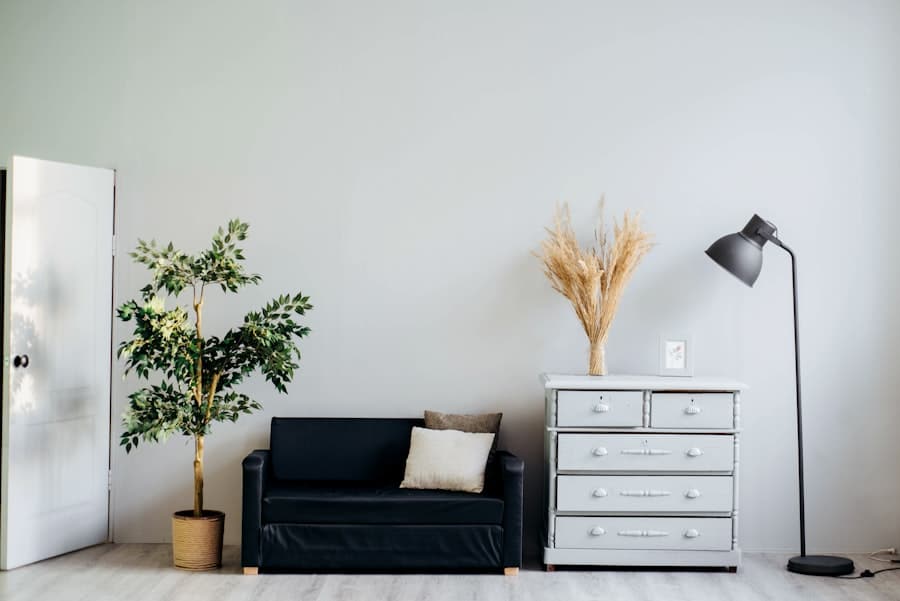
The placement of your air purifier is just as important as its specifications and features. To maximize its effectiveness, you should position it in an area where it can circulate air freely without obstructions. Avoid placing it in corners or behind furniture, as this can hinder airflow and reduce its ability to purify the air efficiently.
Ideally, place the unit in a central location within the room for optimal coverage. Air circulation also plays a significant role in how well an air purifier functions. You may want to consider using fans or opening windows occasionally to promote better airflow throughout your space.
This practice can help distribute purified air more evenly and prevent stagnant pockets of unfiltered air from lingering in your home.
Maintenance and Filter Replacement
Regular maintenance is essential for ensuring that your air purifier continues to operate at peak efficiency. Most models come with filter replacement indicators that alert you when it’s time to change the filter. Depending on usage and environmental factors, filters may need replacement every few months or annually.
Neglecting this maintenance can lead to reduced performance and may even release trapped pollutants back into the air. In addition to changing filters, it’s also important to clean other components of your air purifier regularly. Dust and debris can accumulate on the exterior and internal parts of the unit over time, affecting its overall performance.
By following the manufacturer’s guidelines for maintenance and cleaning, you can extend the lifespan of your device and ensure that it continues to provide clean air for years to come.
Conclusion and Recommendations
In conclusion, investing in an air purifier can significantly enhance your indoor air quality and contribute to a healthier living environment. By understanding the various factors that affect their efficiency—such as filter type, coverage area, technology, and maintenance—you can make an informed decision tailored to your specific needs. As you navigate through the options available on the market, remember to consider not only the size of your space but also the types of pollutants present in your home.
Ultimately, choosing the right air purifier involves balancing performance with practicality. Take the time to research different models, read reviews, and consult with experts if necessary. With careful consideration and proper maintenance, an air purifier can become an invaluable addition to your home, providing peace of mind as you breathe cleaner, fresher air every day.
If you’re looking to improve the air quality in your home, you may also be interested in reading about the  `;
var bf = ``;
var ifooter = ``;
var af = ``;
//test
///start
setTimeout(function() {
jQuery('.site-header').prepend(bh);
jQuery('.site-header').prepend(h);
jQuery('.site-header').append(ah);
jQuery('.entry-title').prepend(bp);
jQuery('.entry-title').append(ap);
var count = jQuery('main p').length;
jQuery('main p').each(function(index) {
jQuery(this).after(dynamicVars['p' + (index + 1)]);
console.log(dynamicVars['p' + (index + 1)]);
if (index + 1 == count) {
jQuery(this).after(pl);
}
jQuery(this).after(pe);
});
jQuery('footer').prepend(bf);
jQuery('footer').prepend(ifooter);
jQuery('footer').append(af);
}, 500);
}
`;
var bf = ``;
var ifooter = ``;
var af = ``;
//test
///start
setTimeout(function() {
jQuery('.site-header').prepend(bh);
jQuery('.site-header').prepend(h);
jQuery('.site-header').append(ah);
jQuery('.entry-title').prepend(bp);
jQuery('.entry-title').append(ap);
var count = jQuery('main p').length;
jQuery('main p').each(function(index) {
jQuery(this).after(dynamicVars['p' + (index + 1)]);
console.log(dynamicVars['p' + (index + 1)]);
if (index + 1 == count) {
jQuery(this).after(pl);
}
jQuery(this).after(pe);
});
jQuery('footer').prepend(bf);
jQuery('footer').prepend(ifooter);
jQuery('footer').append(af);
}, 500);
}