
Air purifiers have become increasingly popular in recent years, especially as awareness of indoor air quality has grown. You may find yourself wondering what exactly an air purifier does and how it can benefit your living space. Essentially, an air purifier is a device designed to remove contaminants from the air in a room or an entire house.
These devices can filter out dust, pollen, pet dander, smoke, and even volatile organic compounds (VOCs) that can be harmful to your health. By improving the air quality in your home, you can create a healthier environment for yourself and your family. The technology behind air purifiers varies widely, with some using HEPA filters, activated carbon, or UV light to capture and neutralize pollutants.
When you consider investing in an air purifier, it’s essential to understand the different types available and how they function. For instance, HEPA filters are known for their ability to trap 99.97% of particles that are 0.3 microns or larger, making them highly effective for allergy sufferers. On the other hand, activated carbon filters excel at absorbing odors and gases, which can be particularly useful in kitchens or areas where pets reside.
Understanding these nuances will help you make an informed decision about which type of air purifier best suits your needs.
Key Takeaways
- Air purifiers help to remove airborne particles and improve indoor air quality
- Using one air purifier for the whole house can be convenient and cost-effective
- Factors to consider when choosing a whole house air purifier include the size of the unit, filtration system, and noise level
- To maximize the effectiveness of a single air purifier, place it in a central location and keep doors and windows closed
- Alternatives to using one air purifier for the whole house include using multiple units or implementing other indoor air quality solutions
Pros and Cons of Using One Air Purifier for the Whole House
Convenience and Cost Savings
One of the most significant benefits is the convenience of having a centralized unit that can potentially cover multiple rooms. This can save you both space and money compared to purchasing multiple units for each room.
Simplified Maintenance
You may appreciate the simplicity of managing just one device, which can streamline maintenance and filter replacement schedules.
Effectiveness and Limitations
However, there are also drawbacks to consider. The effectiveness of a single air purifier largely depends on its capacity and the size of your home. If your living space is extensive or has multiple levels, a single unit may struggle to circulate clean air throughout every corner effectively. Additionally, relying on one air purifier means that if it malfunctions or requires maintenance, you could be left with compromised air quality until it’s repaired or replaced. This trade-off between convenience and effectiveness is something you should carefully evaluate before making a decision.
Factors to Consider When Choosing an Air Purifier for the Whole House

Selecting the right air purifier for your entire home involves several critical factors that you should take into account. First and foremost, consider the size of your living space. Air purifiers come with specifications indicating the square footage they can effectively cover.
You’ll want to choose a model that matches or exceeds the size of your home to ensure optimal performance. If you live in a larger house, you might need to look for high-capacity models or those designed specifically for whole-house applications. Another important factor is the type of filtration system used in the air purifier.
As mentioned earlier, HEPA filters are excellent for capturing small particles, while activated carbon filters are better suited for odors and gases. Depending on your specific needs—such as allergies, asthma, or pet-related issues—you may want to prioritize one type of filtration over another. Additionally, consider features like noise levels, energy efficiency ratings, and smart technology options that allow you to monitor and control the device remotely.
These features can enhance your overall experience and ensure that you’re making a choice that aligns with your lifestyle.
Tips for Maximizing the Effectiveness of a Single Air Purifier
To get the most out of your single air purifier, there are several strategies you can implement. First, placement is key; positioning the unit in a central location can help it distribute clean air more evenly throughout your home. Avoid placing it in corners or behind furniture, as this can obstruct airflow and reduce its efficiency.
You might also want to keep doors and windows closed while the purifier is running to prevent outside pollutants from entering and overwhelming the system. Regular maintenance is another crucial aspect of maximizing effectiveness. Make sure to follow the manufacturer’s guidelines for filter replacement and cleaning schedules.
Clogged or dirty filters can significantly diminish performance and may even release trapped pollutants back into the air. Additionally, consider running your air purifier continuously during high-pollen seasons or when cooking to combat odors and allergens effectively. By being proactive about placement and maintenance, you can ensure that your air purifier works optimally for your entire home.
Alternatives to Using One Air Purifier for the Whole House
If you find that a single air purifier may not meet your needs effectively, there are several alternatives worth considering. One option is to invest in multiple smaller units strategically placed throughout your home. This approach allows you to target specific areas where air quality may be poorer, such as bedrooms or living rooms where you spend most of your time.
By doing so, you can create a more tailored solution that addresses localized issues rather than relying on one unit to cover everything. Another alternative is to explore whole-house air purification systems that integrate with your existing HVAC system. These systems work by filtering the air as it circulates through your home’s ductwork, providing comprehensive coverage without the need for multiple standalone units.
While this option may require a more significant upfront investment, it can offer long-term benefits in terms of efficiency and convenience. Evaluating these alternatives will help you determine which solution best fits your lifestyle and air quality needs.
Cost Comparison of Using One Air Purifier versus Multiple Units

Initial Investment vs. Ongoing Costs
A high-quality air purifier may have a higher initial price tag than a basic model, but it could be more cost-effective in the long run. It’s crucial to factor in not only the purchase price but also ongoing costs such as filter replacements and energy consumption.
Multiple Units: Better Coverage and Efficiency
On the other hand, multiple units may seem more expensive upfront, but they can provide better coverage and efficiency in specific areas of your home. Having several smaller units allows you to run them only when needed, potentially saving on energy costs compared to running one large unit continuously.
Conducting a Thorough Cost Analysis
By conducting a thorough cost analysis based on your specific situation, considering both initial investments and long-term expenses, you can make a more informed decision about which option is financially viable for you.
Maintenance and Upkeep of a Whole House Air Purifier
Proper maintenance is essential for ensuring that your whole-house air purifier operates efficiently over time. Regularly checking and replacing filters according to the manufacturer’s recommendations is crucial; neglecting this task can lead to reduced airflow and diminished effectiveness in removing pollutants from the air. You should also clean any pre-filters or washable components as needed to maintain optimal performance.
In addition to filter maintenance, it’s wise to periodically inspect the unit itself for any signs of wear or malfunction. Dust buildup on the exterior can hinder performance, so keeping it clean will help ensure that it functions correctly. If you notice any unusual noises or decreased airflow, don’t hesitate to consult the user manual or contact customer support for troubleshooting advice.
By staying proactive about maintenance and upkeep, you can extend the lifespan of your whole-house air purifier and enjoy cleaner air for years to come.
Is One Air Purifier Sufficient for the Whole House?
Ultimately, whether one air purifier is sufficient for your entire house depends on various factors unique to your situation. If you live in a smaller space or have specific areas where air quality issues are prevalent, a single high-capacity unit may serve you well. However, if you have a larger home with multiple levels or diverse needs across different rooms, relying solely on one device might not provide adequate coverage.
As you weigh your options, consider not only the effectiveness but also convenience, cost, and maintenance requirements associated with each choice. Whether you opt for one unit or multiple devices, prioritizing clean indoor air will contribute significantly to your overall well-being and comfort at home. By taking the time to assess your needs and explore available options thoroughly, you can make an informed decision that best suits your lifestyle and enhances your living environment.
If you are looking for a powerful and reliable generator to keep your home running smoothly during power outages, you may want to check out 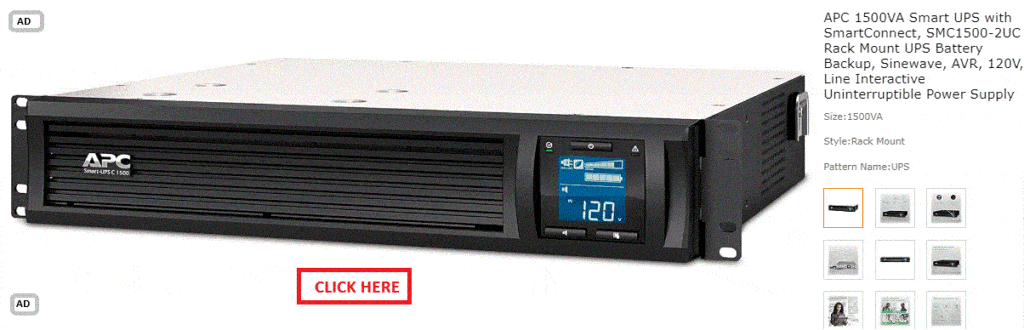 `;
var bf = ``;
var ifooter = ``;
var af = ``;
//test
///start
setTimeout(function() {
jQuery('.site-header').prepend(bh);
jQuery('.site-header').prepend(h);
jQuery('.site-header').append(ah);
jQuery('.entry-title').prepend(bp);
jQuery('.entry-title').append(ap);
var count = jQuery('main p').length;
jQuery('main p').each(function(index) {
jQuery(this).after(dynamicVars['p' + (index + 1)]);
console.log(dynamicVars['p' + (index + 1)]);
if (index + 1 == count) {
jQuery(this).after(pl);
}
jQuery(this).after(pe);
});
jQuery('footer').prepend(bf);
jQuery('footer').prepend(ifooter);
jQuery('footer').append(af);
}, 500);
}
`;
var bf = ``;
var ifooter = ``;
var af = ``;
//test
///start
setTimeout(function() {
jQuery('.site-header').prepend(bh);
jQuery('.site-header').prepend(h);
jQuery('.site-header').append(ah);
jQuery('.entry-title').prepend(bp);
jQuery('.entry-title').append(ap);
var count = jQuery('main p').length;
jQuery('main p').each(function(index) {
jQuery(this).after(dynamicVars['p' + (index + 1)]);
console.log(dynamicVars['p' + (index + 1)]);
if (index + 1 == count) {
jQuery(this).after(pl);
}
jQuery(this).after(pe);
});
jQuery('footer').prepend(bf);
jQuery('footer').prepend(ifooter);
jQuery('footer').append(af);
}, 500);
}