When it comes to air purifiers, size matters more than you might think. The effectiveness of an air purifier is often determined by its size relative to the space it is intended to clean. Air purifiers come in various sizes, each designed to cater to specific room dimensions and air quality needs.
Understanding these differences is crucial for making an informed decision that will enhance your indoor air quality. You may find that a small unit is perfect for a compact bedroom, while a larger model is necessary for an expansive living area. The size of an air purifier is typically categorized into three main types: small, medium, and large.
Each category serves a distinct purpose and is equipped with varying capabilities. Small air purifiers are ideal for personal spaces or small rooms, while medium-sized units can handle moderate areas like offices or living rooms. Large air purifiers, on the other hand, are designed for extensive spaces and can tackle significant air quality issues.
By understanding these categories, you can better assess which type of air purifier will meet your specific needs.
Key Takeaways
- Air purifiers come in different sizes, including small, medium, and large, to accommodate various room sizes and air purification needs.
- Small air purifiers are portable and cost-effective, but may not be as effective in larger spaces and may require more frequent filter replacements.
- Medium-sized air purifiers are versatile and suitable for most rooms, but it’s important to consider the CADR (Clean Air Delivery Rate) and room size when choosing one.
- Large air purifiers are powerful and effective for large spaces, but they can be bulky, expensive, and may consume more energy.
- When choosing the right size air purifier, consider the room size, CADR, and specific air purification needs to ensure optimal performance and efficiency.
Small Air Purifiers: Pros and Cons
Portability and Affordability
One of the most significant advantages of small air purifiers is their ability to be easily moved from room to room, allowing users to enjoy cleaner air wherever they go. Additionally, they are generally more affordable than their larger counterparts, making them an attractive option for budget-conscious consumers. Their compact design also means they can fit into tight spaces without being obtrusive.
Limited Capacity
However, small air purifiers do come with their limitations. While they are effective in small areas, their capacity to filter air in larger rooms is significantly reduced. If you place a small unit in a large space, you may find that it struggles to keep up with the demand for clean air.
Features and Effectiveness
Furthermore, many small models may lack advanced features such as HEPA filters or multiple fan speeds, which can limit their overall effectiveness. Therefore, while they are convenient and cost-effective, it’s essential to consider whether a small air purifier will adequately meet your air quality needs.
Medium-Sized Air Purifiers: What to Consider
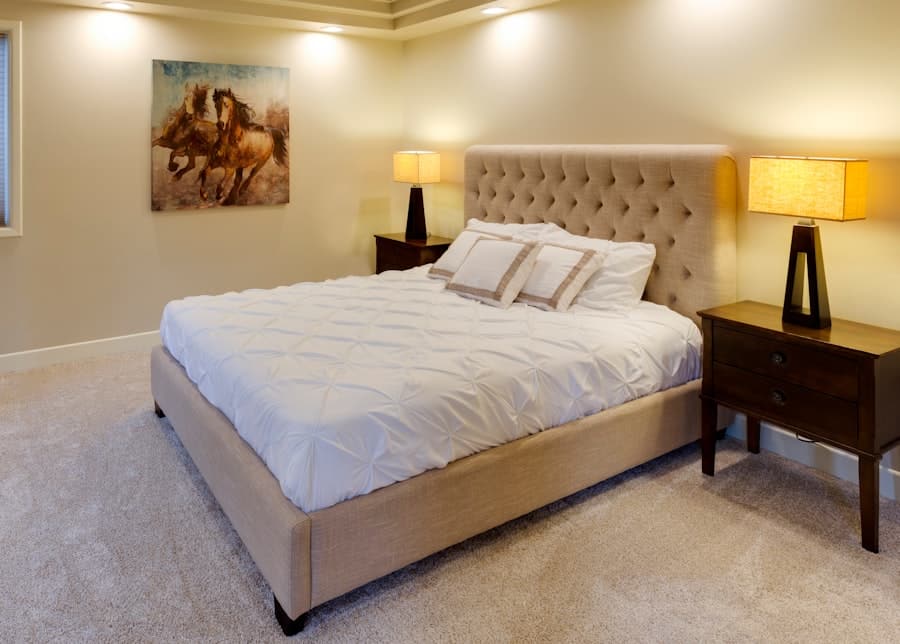
Medium-sized air purifiers strike a balance between portability and power, making them suitable for a variety of spaces. When considering a medium-sized unit, you should first evaluate the square footage of the area you wish to purify. These units are typically designed to handle rooms ranging from 200 to 400 square feet, making them ideal for bedrooms, home offices, or small living rooms.
Their versatility allows you to use them in different settings without compromising on performance. Another important factor to consider is the type of filtration system employed by the medium-sized air purifier. Many models come equipped with HEPA filters, which are highly effective at capturing allergens such as dust mites, pollen, and pet dander.
Additionally, some units may include activated carbon filters that help eliminate odors and volatile organic compounds (VOCs). When selecting a medium-sized air purifier, pay attention to the Clean Air Delivery Rate (CADR) rating, which indicates how quickly the unit can filter out specific pollutants from the air. A higher CADR rating means better performance in maintaining clean air.
Large Air Purifiers: Benefits and Drawbacks
Large air purifiers are designed for expansive spaces and can handle significant air quality challenges. One of the primary benefits of these units is their ability to circulate and filter large volumes of air efficiently. If you live in a home with open floor plans or have high ceilings, a large air purifier can be particularly beneficial in ensuring that every corner of your space receives adequate purification.
These units often come equipped with advanced filtration systems that can tackle a wide range of pollutants, including smoke, allergens, and even bacteria. However, there are drawbacks to consider when opting for a large air purifier. The most apparent disadvantage is the cost; larger models tend to be more expensive both in terms of initial purchase price and ongoing maintenance costs such as filter replacements.
Additionally, their size can make them less portable than smaller units, meaning you may need to commit to a specific location in your home. Noise levels can also be a concern; while many large purifiers operate quietly on lower settings, they may produce more sound when running at maximum capacity. Weighing these pros and cons will help you determine if a large air purifier is the right choice for your needs.
Choosing the Right Size Air Purifier for Your Space
Selecting the right size air purifier for your space involves more than just measuring square footage; it requires an understanding of your specific air quality needs and lifestyle preferences. Start by assessing the size of the room where you plan to use the purifier. If it’s a small bedroom or office, a compact model may suffice.
However, if you’re looking to purify a larger living area or open concept space, investing in a medium or large unit will likely yield better results. Consider your unique circumstances as well. Do you have pets that shed fur and dander?
Are there smokers in your household? Do you live in an area with high levels of pollen or pollution? These factors will influence not only the size of the air purifier you need but also the type of filtration system that will be most effective for your situation.
By taking these elements into account, you can make a more informed decision that aligns with your health and comfort goals.
Factors to Consider When Selecting an Air Purifier Size

Understanding Clean Air Delivery Rate (CADR)
One critical aspect to consider is the Clean Air Delivery Rate (CADR), which measures how quickly an air purifier can remove specific pollutants from the air. A higher CADR rating indicates better performance and efficiency in filtering out dust, smoke, and pollen.
Other Key Considerations
Make sure to choose a unit with a CADR that matches or exceeds the size of your room for optimal results. Additionally, consider the noise level of the unit, especially if you plan to use it in a bedroom or study where quietness is essential. Look for models that operate quietly on lower settings.
Energy Efficiency Matters
Finally, consider energy efficiency when selecting an air purifier. Some larger models may consume more power than smaller ones, leading to higher electricity bills over time. Look for energy-efficient certifications such as Energy Star ratings to ensure that your chosen model won’t be a burden on your utility costs.
Tips for Maximizing the Effectiveness of Your Air Purifier
To get the most out of your air purifier, placement is key. Positioning your unit in an optimal location can significantly enhance its performance. Ideally, place it in an area where airflow is unobstructed—away from walls or furniture that could block its intake or exhaust vents.
If possible, set it near sources of pollution such as pet areas or smoking zones to capture contaminants before they disperse throughout the room. Regular maintenance is also crucial for maximizing effectiveness. Make it a habit to check and replace filters according to the manufacturer’s recommendations; clogged filters can hinder airflow and reduce purification efficiency.
Additionally, keep windows and doors closed while the unit is running to prevent outdoor pollutants from entering your space. By following these tips, you can ensure that your air purifier operates at peak performance and provides you with cleaner indoor air.
Finding the Best Size Air Purifier for Your Needs
In conclusion, finding the best size air purifier for your needs requires careful consideration of various factors including room size, specific air quality concerns, and lifestyle preferences. Whether you opt for a small, medium, or large unit will depend on your unique circumstances and goals for improving indoor air quality. By understanding the pros and cons associated with each size category and evaluating key features such as CADR ratings and filtration systems, you can make an informed decision that enhances your living environment.
Ultimately, investing in an appropriate-sized air purifier can lead to significant improvements in your health and well-being by reducing allergens and pollutants in your home. Take the time to assess your space and needs thoroughly; doing so will empower you to choose an air purifier that not only fits seamlessly into your life but also delivers cleaner, fresher air for years to come.
When considering what size air purifier is best for your home, it’s important to also think about other appliances that can improve your living space. One such appliance is the Bodega Wine and Beverage Refrigerator, which can help keep your drinks at the perfect temperature. This article provides a detailed review of this refrigerator and its features, making it a great addition to your home alongside an air purifier. Check out the Bodega Wine and Beverage Refrigerator review for more information.
FAQs
What factors should I consider when choosing the size of an air purifier?
When choosing the size of an air purifier, consider the square footage of the room where it will be used, the CADR (clean air delivery rate) of the purifier, and the specific air quality concerns you have, such as allergies or pet dander.
What size air purifier do I need for a small room?
For a small room, such as a bedroom or home office, an air purifier with a CADR rating suitable for the room’s square footage is recommended. A compact air purifier with a lower CADR may be sufficient for smaller spaces.
What size air purifier do I need for a large room or open space?
For a large room or open space, it is important to choose an air purifier with a higher CADR rating and a larger coverage area. Look for air purifiers specifically designed for larger spaces or consider using multiple units to effectively purify the air.
Can I use a larger air purifier in a smaller room?
Yes, you can use a larger air purifier in a smaller room, but it may not be as energy efficient as a smaller unit. However, using a larger air purifier can provide more thorough air purification and may require less frequent filter replacements.
Can I use a smaller air purifier in a larger room?
Using a smaller air purifier in a larger room may not effectively purify the air. It is recommended to choose an air purifier with a CADR rating and coverage area suitable for the size of the room to ensure optimal air purification.