When it comes to climate control in your home, window air conditioning heat pump units offer a versatile solution that combines both heating and cooling capabilities. These units are designed to fit snugly into a window frame, making them an ideal choice for apartments or homes without central heating and cooling systems. Unlike traditional air conditioners that only cool the air, heat pump units can reverse their operation to provide warmth during colder months.
This dual functionality makes them a popular choice for those seeking an efficient and space-saving option. You may find that window A-c heat pump units come in various sizes and capacities, allowing you to select one that best fits your specific needs. Understanding the specifications and features of these units is crucial for making an informed decision.
They typically include a compressor, evaporator, condenser, and a reversing valve, which allows the unit to switch between heating and cooling modes. Familiarizing yourself with these components can help you appreciate how they work together to maintain a comfortable indoor environment throughout the year.
Key Takeaways
- Window A-c heat pump units are versatile systems that provide both cooling and heating functions, making them suitable for year-round use.
- These units work by transferring heat from one place to another using a refrigerant, allowing them to provide efficient heating and cooling.
- Using window A-c heat pump units can lead to energy savings, improved indoor air quality, and reduced carbon footprint.
- When choosing a window A-c heat pump unit, factors such as size, energy efficiency, noise level, and installation requirements should be considered.
- Proper installation and regular maintenance are essential for maximizing the performance and lifespan of window A-c heat pump units.
How Window A-c Heat Pump Units Work
At the heart of a window A-c heat pump unit is the refrigeration cycle, which is responsible for transferring heat from one place to another. In cooling mode, the unit absorbs heat from the indoor air and expels it outside, effectively lowering the temperature in your living space. The refrigerant within the system plays a vital role in this process; it evaporates and condenses as it circulates through the unit, absorbing heat from the air inside your home and releasing it outside.
When you switch to heating mode, the process reverses. The heat pump extracts heat from the outside air—even in cold temperatures—and transfers it indoors. This may seem counterintuitive, but even chilly air contains some level of heat energy that can be harnessed.
The reversing valve is crucial in this operation, allowing the refrigerant to flow in the opposite direction. Understanding this cycle can help you appreciate the efficiency of window A-c heat pump units, as they can provide both heating and cooling without needing separate systems.
Benefits of Using Window A-c Heat Pump Units
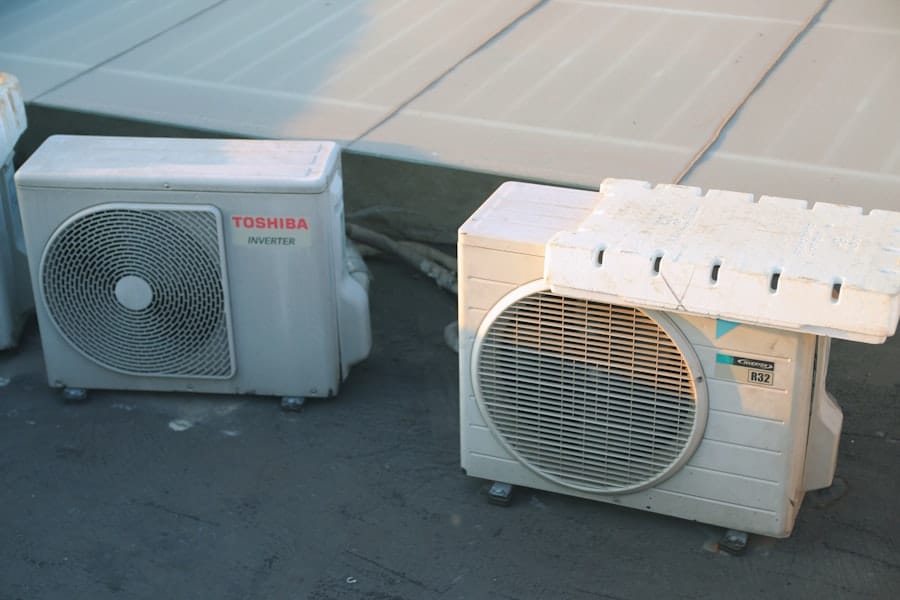
One of the primary benefits of window A-c heat pump units is their energy efficiency. Compared to traditional heating systems like electric resistance heaters or gas furnaces, heat pumps consume significantly less energy to produce the same amount of heating or cooling. This efficiency translates into lower utility bills, making them an attractive option for budget-conscious homeowners.
Additionally, many modern units come equipped with energy-saving features such as programmable thermostats and variable-speed fans, further enhancing their efficiency. Another advantage is their ease of installation and portability. Unlike central air conditioning systems that require extensive ductwork and professional installation, window A-c heat pump units can often be installed by homeowners themselves with minimal tools.
This not only saves on installation costs but also allows you to easily relocate the unit if needed. Whether you’re moving to a new apartment or simply want to change rooms, these units offer flexibility that many other heating and cooling systems do not.
Factors to Consider When Choosing a Window A-c Heat Pump Unit
When selecting a window A-c heat pump unit, several factors should guide your decision-making process. First and foremost, consider the size of the unit in relation to the space you intend to cool or heat. An undersized unit will struggle to maintain comfortable temperatures, while an oversized unit may cycle on and off too frequently, leading to inefficiency and discomfort.
To determine the appropriate size, you can consult a BTU (British Thermal Unit) calculator or seek advice from a professional. Another important consideration is the unit’s energy efficiency rating, often indicated by its SEER (Seasonal Energy Efficiency Ratio) for cooling and HSPF (Heating Seasonal Performance Factor) for heating. Higher ratings generally mean better efficiency and lower operating costs over time.
Additionally, look for features such as noise levels, ease of use, and warranty options. These factors can significantly impact your overall satisfaction with the unit.
Installation and Maintenance Tips for Window A-c Heat Pump Units
Installing a window A-c heat pump unit may seem daunting at first, but with careful planning and attention to detail, you can achieve a successful setup. Begin by selecting an appropriate window that can support the weight of the unit and provides adequate airflow. Ensure that the window frame is level and secure before placing the unit inside.
Follow the manufacturer’s instructions closely during installation, as each model may have specific requirements. Once installed, regular maintenance is essential for keeping your window A-c heat pump unit running efficiently. Start by cleaning or replacing the air filter every month during peak usage seasons to ensure optimal airflow and indoor air quality.
Additionally, check for any debris around the outdoor portion of the unit that could obstruct airflow. At least once a year, consider scheduling a professional inspection to identify any potential issues before they become major problems.
Energy Efficiency and Cost Savings with Window A-c Heat Pump Units
Energy efficiency is one of the standout features of window A-c heat pump units, making them an appealing choice for environmentally conscious consumers. By utilizing electricity more effectively than traditional heating methods, these units can significantly reduce your carbon footprint while also lowering your energy bills. Many models are designed with advanced technology that optimizes performance based on current conditions, ensuring that you only use as much energy as necessary.
In terms of cost savings, investing in a high-efficiency window A-c heat pump unit can yield substantial long-term benefits. While the initial purchase price may be higher than that of a standard air conditioner or heater, the reduced energy consumption will quickly offset this cost over time. Additionally, many utility companies offer rebates or incentives for purchasing energy-efficient appliances, further enhancing your savings potential.
Common Issues and Troubleshooting for Window A-c Heat Pump Units
Like any appliance, window A-c heat pump units can encounter issues from time to time. One common problem is inadequate cooling or heating performance, which may be caused by a dirty air filter or blocked airflow. If you notice that your unit isn’t performing as expected, start by checking and cleaning or replacing the filter.
Additionally, ensure that there are no obstructions around the outdoor unit that could impede airflow. Another frequent issue is unusual noises coming from the unit during operation. These sounds could indicate loose components or debris caught in the fan.
If you hear rattling or grinding noises, it’s essential to turn off the unit immediately and inspect it for any visible problems. If you’re unable to identify or resolve the issue on your own, don’t hesitate to contact a professional technician for assistance.
Comparison of Window A-c Heat Pump Units with Other Cooling and Heating Systems
When comparing window A-c heat pump units with other cooling and heating systems, several key differences emerge. For instance, central air conditioning systems require extensive ductwork and are typically more expensive to install than window units. While central systems can cool larger spaces more evenly, they may not be practical for smaller homes or apartments where space is limited.
On the other hand, portable air conditioners offer flexibility but often lack the efficiency and power of window A-c heat pump units. Portable units can be moved from room to room but usually have lower BTU ratings and may struggle to cool larger areas effectively. Ultimately, your choice will depend on your specific needs, budget constraints, and available space.
Tips for Maximizing the Performance of Window A-c Heat Pump Units
To get the most out of your window A-c heat pump unit, consider implementing several performance-enhancing strategies. First, ensure that your windows and doors are properly sealed to prevent drafts from entering your home. This will allow your unit to maintain a consistent temperature without working harder than necessary.
Additionally, using curtains or blinds during peak sunlight hours can help keep your indoor space cooler. Regular maintenance is also crucial for optimal performance. As mentioned earlier, cleaning or replacing filters monthly will improve airflow and efficiency.
Furthermore, consider scheduling seasonal check-ups with a professional technician who can perform thorough inspections and tune-ups to keep your unit running smoothly.
Upgrading and Replacing Window A-c Heat Pump Units
If your current window A-c heat pump unit is outdated or no longer meets your needs, it may be time to consider upgrading or replacing it. Newer models often come equipped with advanced technology that enhances energy efficiency and performance while reducing noise levels. Before making a purchase decision, assess your current cooling and heating requirements to ensure that you select a model that fits your lifestyle.
When replacing an old unit, it’s essential to properly dispose of it according to local regulations. Many manufacturers offer recycling programs for old appliances, allowing you to contribute positively to environmental sustainability while upgrading your home comfort system.
Future Trends and Innovations in Window A-c Heat Pump Units
As technology continues to evolve, so too do window A-c heat pump units. Future trends indicate a growing emphasis on smart technology integration within these systems. Many manufacturers are developing models that can be controlled remotely via smartphone apps or integrated into smart home systems for enhanced convenience and efficiency.
Additionally, advancements in refrigerant technology aim to reduce environmental impact while maintaining high performance levels. As regulations surrounding refrigerants become stricter due to climate change concerns, manufacturers are likely to innovate further in this area. By staying informed about these trends and innovations, you can make educated decisions about your home’s heating and cooling solutions for years to come.
In conclusion, understanding window A-c heat pump units involves recognizing their functionality, benefits, installation requirements, and maintenance needs. By considering these factors carefully and staying informed about future trends in technology and efficiency improvements, you can ensure that you make an informed choice that enhances your home comfort while being mindful of energy consumption and costs.
If you are looking to create the ultimate home gym setup, you may want to consider investing in a Linodi Weight Bench. This versatile piece of equipment can help you target various muscle groups and improve your overall strength and fitness levels. Pairing this weight bench with a Window A-c Heat Pump Unit can ensure that your workout space is comfortable year-round. Check out this review to learn more about the benefits of incorporating a Linodi Weight Bench into your home gym routine.
FAQs
What are window A/C heat pump units?
Window A/C heat pump units are appliances that provide both cooling and heating functions for a room. They are designed to be installed in a window or through a wall, and they use a refrigeration cycle to transfer heat from one place to another.
How do window A/C heat pump units work?
Window A/C heat pump units work by using a refrigerant to absorb heat from the indoor air and release it outside for cooling, and vice versa for heating. They use a compressor, condenser, expansion valve, and evaporator to achieve this heat transfer process.
What are the benefits of using window A/C heat pump units?
The benefits of using window A/C heat pump units include their ability to provide both cooling and heating, their energy efficiency, their compact size, and their ease of installation in a window or through a wall.
What are the considerations when choosing a window A/C heat pump unit?
Considerations when choosing a window A/C heat pump unit include the size and layout of the room, the unit’s cooling and heating capacity, energy efficiency ratings, noise levels, and any additional features such as remote control or programmable settings.
How do you maintain window A/C heat pump units?
Maintenance for window A/C heat pump units includes regularly cleaning or replacing the air filter, cleaning the coils, checking for any refrigerant leaks, and ensuring that the unit’s drainage system is clear. It is also important to schedule professional maintenance at least once a year.