Wildlife decoy cameras have emerged as a revolutionary tool for both wildlife enthusiasts and researchers alike. These specialized cameras are designed to blend seamlessly into their surroundings, allowing you to capture stunning images and videos of wildlife without disturbing their natural behavior. As you delve into the world of wildlife observation, you will find that these cameras not only enhance your understanding of animal behavior but also contribute significantly to conservation efforts.
By providing a non-intrusive means of monitoring wildlife, decoy cameras have become indispensable in the field of ecological research. The allure of wildlife decoy cameras lies in their ability to offer a window into the lives of animals that you might otherwise never see. Imagine being able to observe the intricate social dynamics of a herd of deer or the elusive movements of a solitary fox, all from the comfort of your home.
With advancements in technology, these cameras have become more accessible and user-friendly, making it easier than ever for you to engage in wildlife observation. As you explore this fascinating topic, you will discover how these tools can enhance your appreciation for nature and contribute to vital conservation efforts.
Key Takeaways
- Wildlife decoy cameras are a valuable tool for observing and studying wildlife behavior without disturbing their natural habitat.
- Camouflaged enclosures provide a discreet and non-intrusive way to capture wildlife activity without causing stress to the animals.
- Using wildlife decoy cameras can help researchers gather valuable data on animal behavior, population dynamics, and habitat use.
- Types of camouflaged enclosures include tree-mounted platforms, ground blinds, and rock or log hides, each suited for different wildlife observation needs.
- Wildlife decoy cameras play a crucial role in wildlife conservation by providing insights into animal behavior and helping to monitor and protect endangered species.
Understanding Camouflaged Enclosures
Camouflaged enclosures play a crucial role in the effectiveness of wildlife decoy cameras. These structures are designed to blend into the natural environment, allowing you to observe wildlife without drawing attention to your presence. When you set up a camouflaged enclosure, you create a safe space for animals to behave naturally, which is essential for gathering accurate data on their habits and interactions.
The design and materials used in these enclosures can vary widely, but the primary goal remains the same: to minimize human interference. As you consider the construction of camouflaged enclosures, think about the specific environment in which you will be working. Different habitats require different approaches; for instance, a forest setting may call for a structure that mimics tree bark or foliage, while a desert environment might benefit from sandy colors and textures.
By carefully selecting materials and designs that match the surroundings, you can significantly increase the chances of capturing authentic wildlife behavior on camera. This understanding of camouflage is not just about aesthetics; it is about creating an environment where animals feel secure enough to engage in their natural activities.
Benefits of Using Wildlife Decoy Cameras
The benefits of using wildlife decoy cameras extend far beyond mere observation. One of the most significant advantages is the ability to gather data over extended periods without human presence. This long-term monitoring can provide invaluable insights into animal behavior, migration patterns, and population dynamics.
As you utilize these cameras, you will find that they can help you track changes in wildlife populations over time, offering critical information that can inform conservation strategies. Moreover, wildlife decoy cameras can serve as powerful educational tools. Whether you are an educator looking to inspire students or a nature enthusiast eager to share your findings with friends and family, these cameras can help bridge the gap between people and nature.
By capturing stunning images and videos, you can create compelling narratives that highlight the beauty and complexity of wildlife. This storytelling aspect not only fosters a deeper appreciation for nature but also encourages others to engage in conservation efforts.
Types of Camouflaged Enclosures
When it comes to camouflaged enclosures, there are several types to consider, each with its unique advantages and applications. One common type is the ground blind, which is often used by hunters and wildlife photographers alike. These structures are typically made from lightweight materials and can be easily transported to various locations.
Ground blinds allow you to sit comfortably while remaining hidden from view, making them ideal for capturing images of animals at ground level. Another popular option is the tree stand, which elevates your vantage point and provides a broader view of the surrounding area. Tree stands can be particularly effective in forested environments where visibility is limited.
By positioning yourself high above the ground, you can observe animals from a distance without alerting them to your presence. Additionally, there are also portable camouflaged enclosures that can be set up quickly in various locations, allowing for flexibility in your wildlife observation endeavors.
How Wildlife Decoy Cameras Help in Wildlife Conservation
Wildlife decoy cameras play an essential role in conservation efforts by providing critical data that can inform management strategies. By monitoring animal populations and their behaviors, these cameras help researchers identify trends that may indicate changes in habitat quality or threats from human activities. For instance, if you notice a decline in a particular species’ population through your camera footage, it may prompt further investigation into potential causes such as habitat destruction or poaching.
Furthermore, these cameras can aid in the protection of endangered species by allowing conservationists to monitor their movements and breeding habits without causing stress or disruption. By understanding the needs and behaviors of these vulnerable populations, you can contribute to developing targeted conservation initiatives that address their specific challenges. In this way, wildlife decoy cameras serve as a bridge between observation and action, empowering you to make informed decisions that positively impact wildlife conservation.
Tips for Setting Up Wildlife Decoy Cameras
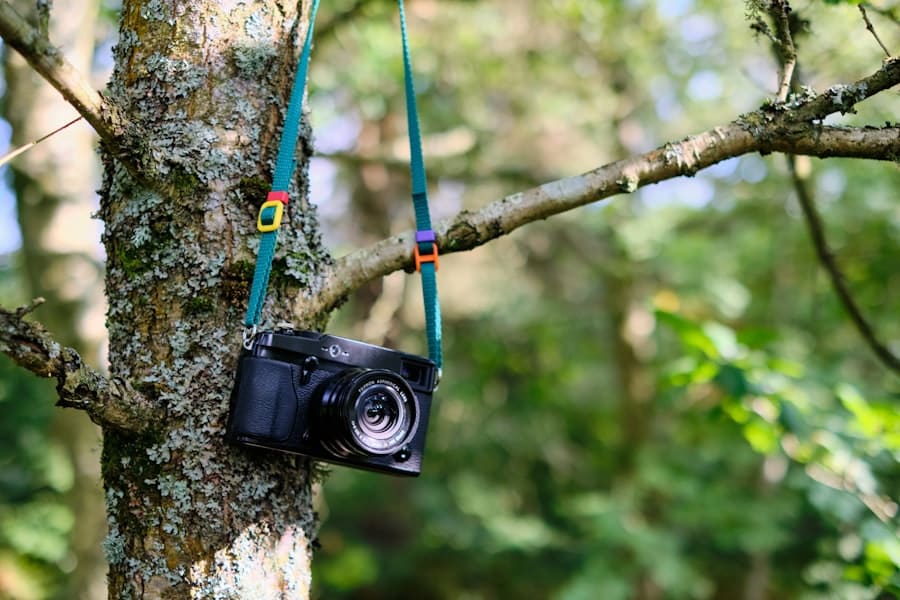
Setting up wildlife decoy cameras requires careful planning and consideration to maximize their effectiveness. First and foremost, choose locations that are frequented by wildlife. Look for signs such as tracks, droppings, or feeding areas that indicate animal activity.
By placing your camera in high-traffic areas, you increase the likelihood of capturing compelling footage. Additionally, consider the height and angle at which you position your camera. Aiming for eye level with the animals you wish to observe can yield more engaging images and videos.
You should also ensure that your camera is securely mounted and protected from potential weather damage or tampering by other animals. Finally, be patient; it may take time for animals to become accustomed to the presence of your camera before they begin to behave naturally.
Importance of Camouflaged Enclosures in Wildlife Research
Camouflaged enclosures are vital in wildlife research as they allow scientists to study animal behavior without interference. When animals are aware of human presence, they often alter their behavior, making it difficult to gather accurate data. By utilizing camouflaged enclosures, researchers can create an environment where animals feel safe and secure, leading to more authentic observations.
Moreover, these enclosures enable researchers to conduct long-term studies on specific species or ecosystems. By minimizing human impact on their surroundings, scientists can gather valuable information about population dynamics, breeding patterns, and habitat use over time. This data is crucial for developing effective conservation strategies and ensuring the long-term survival of various species.
Features to Look for in Wildlife Decoy Cameras
When selecting a wildlife decoy camera, several features should be at the forefront of your decision-making process. First and foremost is image quality; look for cameras that offer high-resolution images and videos to capture the intricate details of animal behavior. Additionally, consider the camera’s trigger speed—the faster it can capture images after detecting motion, the better your chances of getting that perfect shot.
Another important feature is battery life; long-lasting batteries will ensure that your camera remains operational during extended monitoring periods. You may also want to consider cameras with built-in Wi-Fi or cellular capabilities that allow for remote access to images and videos. This feature can be particularly useful if you’re monitoring hard-to-reach locations or want to check on your camera’s performance without physically visiting the site.
Designing Effective Camouflaged Enclosures
Designing effective camouflaged enclosures requires creativity and an understanding of the local environment. Start by assessing the specific habitat where you plan to set up your enclosure; this will guide your choice of materials and colors. For instance, if you’re working in a dense forest, using natural materials like branches and leaves will help your enclosure blend seamlessly into its surroundings.
In addition to aesthetics, consider functionality when designing your enclosure. Ensure that it provides adequate space for movement while allowing for comfortable observation angles. Ventilation is also essential; if you’re spending extended periods inside the enclosure, you’ll want to ensure proper airflow without compromising camouflage.
By balancing design with practicality, you can create an effective camouflaged enclosure that enhances your wildlife observation experience.
Ethical Considerations When Using Wildlife Decoy Cameras
As with any tool used in wildlife observation and research, ethical considerations must guide your use of wildlife decoy cameras. One primary concern is ensuring that your activities do not disturb or harm the animals you are observing. Always prioritize non-intrusive methods that allow wildlife to behave naturally without feeling threatened by human presence.
Additionally, consider the potential impact of your camera placements on local ecosystems. Avoid placing cameras in sensitive areas where they could disrupt nesting sites or feeding grounds. It’s also essential to respect local regulations regarding wildlife observation and research; familiarize yourself with any permits or guidelines required in your area before setting up your equipment.
Future Developments in Wildlife Decoy Cameras and Camouflaged Enclosures
The future of wildlife decoy cameras and camouflaged enclosures looks promising as technology continues to advance at an unprecedented pace. Innovations such as artificial intelligence (AI) are beginning to play a role in wildlife monitoring by enabling cameras to recognize specific species or behaviors automatically. This capability could revolutionize data collection by allowing researchers like yourself to focus on analyzing trends rather than sifting through hours of footage.
Moreover, advancements in materials science may lead to even more effective camouflaged enclosures that are lightweight yet durable enough to withstand harsh environmental conditions. As these technologies evolve, they will undoubtedly enhance your ability to observe wildlife while minimizing human impact on their habitats. The integration of smart technology into wildlife observation tools will not only improve efficiency but also foster greater engagement with nature as more people become involved in conservation efforts through accessible monitoring solutions.
In conclusion, wildlife decoy cameras and camouflaged enclosures represent a significant leap forward in our ability to observe and understand wildlife without disturbing their natural behaviors. As you explore this fascinating field further, you’ll find countless opportunities for learning and engagement with nature while contributing positively to conservation efforts around the globe.
If you are interested in creating a relaxing outdoor space to enjoy your wildlife decoy cameras, you may want to consider adding a corner whirlpool tub. The Corner Whirlpool Tub Review from Ultimate Discount Store provides valuable information on the benefits and features of these luxurious tubs. Imagine soaking in warm, bubbling water while watching the wildlife in your backyard through your camouflaged enclosures. For those looking to stay active while enjoying the outdoors, the LalaHigh Portable Home Gym System Review offers a convenient solution for staying fit in the comfort of your own home.
FAQs
What are wildlife decoy cameras?
Wildlife decoy cameras are specially designed cameras that are used to capture images and videos of wildlife in their natural habitat without disturbing them. These cameras are often camouflaged to blend in with the surroundings and are placed in strategic locations to capture wildlife activity.
What are camouflaged enclosures for wildlife decoy cameras?
Camouflaged enclosures are protective covers or housings that are designed to conceal wildlife decoy cameras. These enclosures are often made of materials that mimic the natural environment, such as tree bark or foliage, to make the cameras less noticeable to wildlife and potential vandals.
How are wildlife decoy cameras and camouflaged enclosures used?
Wildlife decoy cameras and camouflaged enclosures are used by researchers, wildlife enthusiasts, and conservationists to monitor and study wildlife behavior. They are also used by hunters and wildlife photographers to capture images and videos of animals in their natural habitat without disturbing them.
What are the benefits of using wildlife decoy cameras and camouflaged enclosures?
The use of wildlife decoy cameras and camouflaged enclosures allows for non-invasive monitoring of wildlife, providing valuable insights into animal behavior and habitat use. These tools also help in wildlife conservation efforts by providing data for research and education purposes.
Are there any legal considerations when using wildlife decoy cameras and camouflaged enclosures?
It is important to be aware of local laws and regulations regarding the use of wildlife decoy cameras and camouflaged enclosures. In some areas, permits or permissions may be required for their use, especially on public or protected lands. It is important to always follow ethical guidelines and respect wildlife when using these tools.