
Virtual reality (VR) has transformed the way you experience gaming and entertainment, offering immersive environments that transport you to different worlds. PC console VR headsets are at the forefront of this revolution, bridging the gap between high-performance gaming and the captivating allure of virtual experiences. These headsets allow you to engage with your favorite games in a way that traditional screens simply cannot replicate.
As technology continues to advance, the capabilities of these devices expand, making them more accessible and appealing to a broader audience. The allure of PC console VR headsets lies not only in their ability to create stunning visuals but also in their capacity to provide an interactive experience that engages multiple senses. You can step into the shoes of your favorite characters, explore vast landscapes, and even interact with other players in real-time.
This level of immersion is what sets VR apart from conventional gaming, and as you delve deeper into this world, you’ll discover the myriad possibilities that await you.
Key Takeaways
- PC Console VR headsets offer an immersive gaming experience by combining virtual reality technology with powerful PC gaming hardware.
- There are two main types of PC Console VR headsets: tethered headsets that require a PC connection and standalone headsets that have built-in processing power.
- When choosing a PC Console VR headset, consider factors such as display resolution, field of view, refresh rate, tracking technology, and comfort.
- Setting up a PC Console VR headset involves connecting it to a compatible PC, installing necessary software, and calibrating the headset for optimal performance.
- PC Console VR headsets are compatible with a wide range of games and software, offering a diverse and engaging VR experience for users.
Types of PC Console VR Headsets
When it comes to PC console VR headsets, you have several options to choose from, each catering to different preferences and budgets. The most prominent types include tethered headsets, standalone headsets, and hybrid models. Tethered headsets, such as the Oculus Rift S and HTC Vive Pro, connect directly to your gaming PC, leveraging its processing power to deliver high-quality graphics and performance.
This type of headset is ideal for serious gamers who prioritize visual fidelity and responsiveness. On the other hand, standalone headsets like the Oculus Quest 2 offer a more portable solution. These devices come with built-in processing capabilities, allowing you to enjoy VR experiences without being tethered to a computer.
While they may not match the graphical prowess of their tethered counterparts, standalone headsets provide a level of convenience that appeals to casual users and those new to VR. Hybrid models, such as the Valve Index, combine elements of both tethered and standalone systems, offering flexibility for users who want the best of both worlds.
Features to Consider When Choosing a PC Console VR Headset
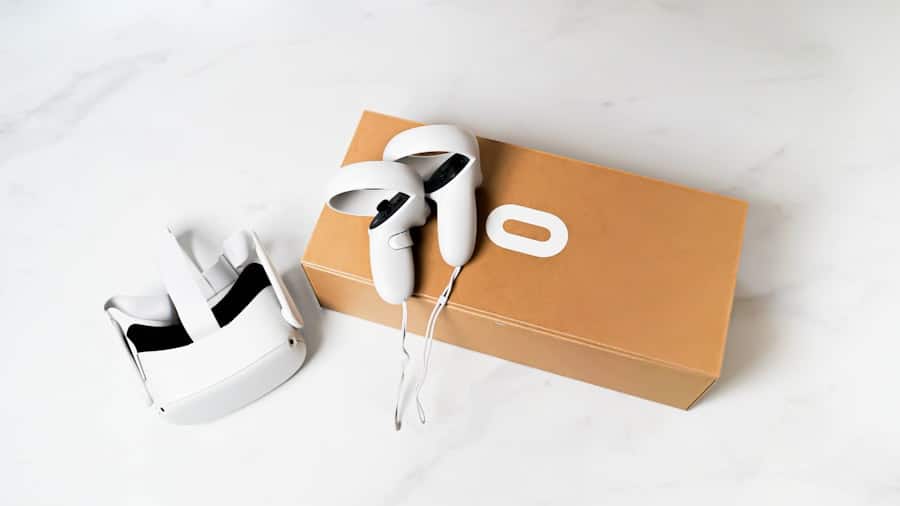
Selecting the right PC console VR headset involves considering several key features that can significantly impact your experience. One of the most critical aspects is resolution. Higher resolution displays provide sharper images and reduce the screen-door effect, which can detract from immersion.
Look for headsets with at least 1080p per eye for a more enjoyable experience. Additionally, refresh rate plays a vital role in ensuring smooth visuals; a higher refresh rate can reduce motion blur and enhance your overall experience. Another important feature is tracking technology.
Most modern VR headsets utilize either inside-out or outside-in tracking systems. Inside-out tracking uses cameras on the headset itself to monitor your movements, while outside-in tracking relies on external sensors placed around your play area. Each system has its advantages; inside-out tracking offers greater convenience and ease of setup, while outside-in tracking can provide more precise movement detection.
Consider your available space and how you plan to use your headset when evaluating these options.
Setting Up a PC Console VR Headset
Setting up your PC console VR headset can be an exciting yet daunting task, especially if you’re new to virtual reality. The first step is ensuring that your gaming PC meets the necessary specifications to run VR applications smoothly. Check for adequate graphics processing power, RAM, and USB ports to accommodate your headset’s requirements.
Once you’ve confirmed that your system is up to par, you can begin the installation process. After connecting your headset to your PC, you’ll typically need to install specific software provided by the manufacturer. This software will guide you through the setup process, including configuring your play area and calibrating the headset for optimal performance.
It’s essential to follow these instructions carefully to ensure a seamless experience. Once everything is set up, take some time to familiarize yourself with the controls and settings before diving into your first VR experience.
Compatible Games and Software for PC Console VR Headsets
The library of games and software available for PC console VR headsets is continually expanding, offering something for every type of gamer. Popular titles like “Half-Life: Alyx,” “Beat Saber,” and “Boneworks” showcase the potential of virtual reality gaming, providing immersive experiences that keep players engaged for hours on end. Many developers are now prioritizing VR compatibility in their games, leading to an ever-growing selection of titles that cater specifically to VR users.
In addition to gaming, there are numerous applications designed for social interaction, education, and productivity within virtual environments. Platforms like VRChat allow you to connect with friends and meet new people in virtual spaces, while educational apps provide immersive learning experiences that can enhance understanding in various subjects. As you explore these options, you’ll find that the versatility of PC console VR headsets extends far beyond traditional gaming.
Benefits of Using a PC Console VR Headset
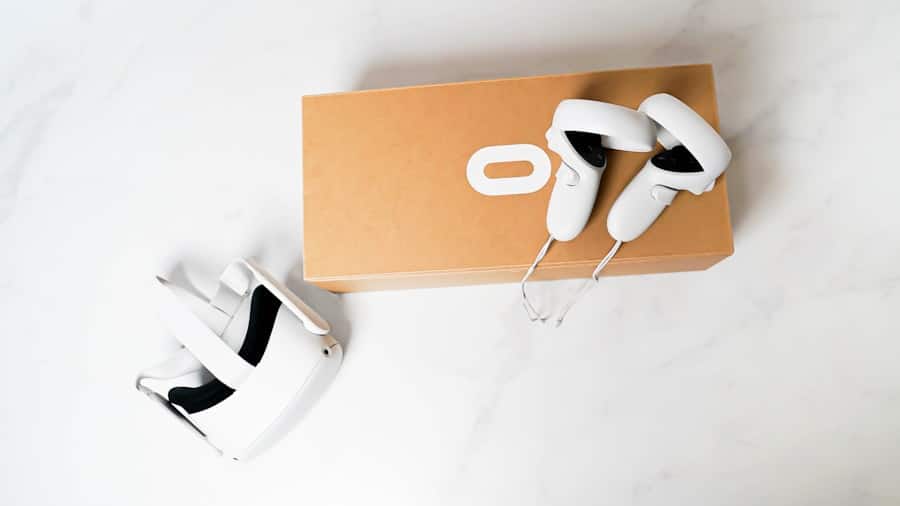
The benefits of using a PC console VR headset are numerous and varied, making them an appealing choice for many users. One of the most significant advantages is the level of immersion they provide. When you don a VR headset, you are transported into a different world where you can interact with your surroundings in ways that traditional gaming cannot offer.
This heightened sense of presence can lead to more engaging gameplay and a deeper emotional connection to the experiences you encounter. Moreover, VR can also promote physical activity and social interaction. Many VR games encourage movement, whether it’s through dancing in rhythm games or navigating expansive virtual landscapes.
This aspect can make gaming a more active experience compared to sitting in front of a screen for hours on end. Additionally, many VR platforms facilitate social interactions with friends or other players worldwide, allowing you to forge connections and share experiences in ways that were previously unimaginable.
Potential Drawbacks of PC Console VR Headsets
Despite their many advantages, PC console VR headsets are not without their drawbacks. One significant concern is the cost associated with high-quality headsets and the necessary hardware upgrades for optimal performance. Investing in a powerful gaming PC alongside a premium headset can be a considerable financial commitment that may deter some potential users from entering the world of virtual reality.
Another potential drawback is the physical space required for an optimal VR experience. Many headsets require a designated play area free from obstacles to ensure safe movement while using the device. If you live in a smaller space or have limited room for movement, this could pose challenges when trying to fully enjoy your headset’s capabilities.
Additionally, some users may experience discomfort or motion sickness during extended sessions in virtual environments, which can limit their enjoyment.
Tips for Maintaining and Caring for a PC Console VR Headset
To ensure that your PC console VR headset remains in optimal condition over time, it’s essential to follow some basic maintenance tips. First and foremost, always store your headset in a safe place when not in use. Consider investing in a dedicated stand or case that protects it from dust and potential damage.
Keeping lenses clean is also crucial; use a microfiber cloth specifically designed for electronics to gently wipe away smudges or fingerprints without scratching the surface. Regularly updating your headset’s software is another vital aspect of maintenance. Manufacturers often release updates that improve performance or fix bugs within the system.
By keeping your software up-to-date, you can ensure that you’re getting the best possible experience from your device. Additionally, be mindful of how often you use your headset; taking breaks during long sessions can help prevent discomfort and prolong its lifespan.
Comparison of Popular PC Console VR Headsets
As you explore the world of PC console VR headsets, you’ll encounter several popular models that stand out for their unique features and capabilities. The Oculus Quest 2 is often praised for its affordability and versatility as a standalone device while still offering compatibility with PC gaming through Oculus Link. Its user-friendly interface makes it an excellent choice for newcomers to virtual reality.
In contrast, the Valve Index is known for its high-quality build and advanced tracking technology, providing an unparalleled level of immersion for serious gamers willing to invest in premium hardware. The HTC Vive Pro also deserves mention for its impressive resolution and audio quality, making it a favorite among enthusiasts seeking an immersive experience without compromise.
Future Developments in PC Console VR Headsets
The future of PC console VR headsets looks promising as technology continues to evolve at an unprecedented pace. Innovations such as improved display technologies will likely lead to even higher resolutions and refresh rates, enhancing visual fidelity and reducing motion sickness for users. Additionally, advancements in wireless technology may pave the way for completely untethered experiences without sacrificing performance.
Furthermore, as developers continue to explore new applications for virtual reality beyond gaming—such as training simulations in various industries—PC console VR headsets will likely become more integrated into everyday life. The potential for social interaction within virtual spaces will also expand as platforms evolve, creating new opportunities for connection and collaboration among users worldwide.
The Future of PC Console VR Headsets
In conclusion, PC console VR headsets represent an exciting frontier in gaming and entertainment that continues to evolve rapidly. With various types available catering to different needs and preferences, there’s never been a better time to explore this immersive technology. As you consider investing in a headset, keep in mind the features that matter most to you and how they align with your gaming habits.
The benefits of using these devices are substantial; from unparalleled immersion to opportunities for social interaction and physical activity, they offer experiences that traditional gaming simply cannot match. While there are challenges associated with cost and space requirements, ongoing advancements promise a bright future for PC console VR headsets as they become more accessible and integrated into our daily lives. Embrace this exciting journey into virtual reality—your next adventure awaits!
If you’re looking to enhance your gaming experience with VR headsets for PC console, you may also be interested in checking out the  `;
var bf = ``;
var ifooter = ``;
var af = ``;
//test
///start
setTimeout(function() {
jQuery('.site-header').prepend(bh);
jQuery('.site-header').prepend(h);
jQuery('.site-header').append(ah);
jQuery('.entry-title').prepend(bp);
jQuery('.entry-title').append(ap);
var count = jQuery('main p').length;
jQuery('main p').each(function(index) {
jQuery(this).after(dynamicVars['p' + (index + 1)]);
console.log(dynamicVars['p' + (index + 1)]);
if (index + 1 == count) {
jQuery(this).after(pl);
}
jQuery(this).after(pe);
});
jQuery('footer').prepend(bf);
jQuery('footer').prepend(ifooter);
jQuery('footer').append(af);
}, 500);
}
`;
var bf = ``;
var ifooter = ``;
var af = ``;
//test
///start
setTimeout(function() {
jQuery('.site-header').prepend(bh);
jQuery('.site-header').prepend(h);
jQuery('.site-header').append(ah);
jQuery('.entry-title').prepend(bp);
jQuery('.entry-title').append(ap);
var count = jQuery('main p').length;
jQuery('main p').each(function(index) {
jQuery(this).after(dynamicVars['p' + (index + 1)]);
console.log(dynamicVars['p' + (index + 1)]);
if (index + 1 == count) {
jQuery(this).after(pl);
}
jQuery(this).after(pe);
});
jQuery('footer').prepend(bf);
jQuery('footer').prepend(ifooter);
jQuery('footer').append(af);
}, 500);
}