
In an age where technology is seamlessly integrated into our daily lives, smart locks have emerged as a revolutionary solution for home security. You may have noticed the growing trend of smart home devices, and smart locks are at the forefront of this movement. These innovative locking systems not only enhance security but also offer convenience and flexibility that traditional locks simply cannot match.
As you consider upgrading your home security, understanding the features and benefits of smart locks can help you make an informed decision. Smart locks are designed to provide you with keyless entry, allowing you to unlock your door using a smartphone app, a keypad, or even biometric recognition. This shift from traditional keys to digital access is not just about convenience; it also reflects a broader change in how we think about security.
With the ability to monitor access and control entry remotely, smart locks empower you to take charge of your home’s safety in ways that were previously unimaginable. As you delve deeper into the world of smart locks, you’ll discover how they can transform your approach to home security.
Key Takeaways
- Smart locks are electronic locks that can be controlled remotely via a smartphone or other smart devices.
- Smart locks work by using wireless technology to communicate with a smartphone or other smart devices, allowing users to lock and unlock their doors from anywhere.
- The benefits of smart locks include convenience, enhanced security, and the ability to grant access to others remotely.
- There are different types of smart locks, including keypad, biometric, and key fob locks, each with its own unique features and benefits.
- When choosing a smart lock, key features to look for include compatibility with smart home systems, remote access capabilities, and advanced security features.
How Smart Locks Work
Understanding how smart locks function is essential for appreciating their value. At their core, smart locks utilize wireless technology to communicate with your devices. Most commonly, they connect via Bluetooth or Wi-Fi, allowing you to control the lock from your smartphone or tablet.
When you send a command through an app, the lock receives the signal and responds accordingly—whether that means locking or unlocking the door. This seamless interaction is what makes smart locks so appealing. In addition to remote access, many smart locks come equipped with features like keypads or fingerprint scanners.
This means you can enter your home without needing a physical key. Instead, you can input a code or use your fingerprint for quick access. Some models even allow you to create temporary access codes for guests or service providers, giving you greater control over who enters your home and when.
As you explore different options, you’ll find that the technology behind smart locks is both sophisticated and user-friendly.
Benefits of Smart Locks
The advantages of smart locks extend far beyond mere convenience. One of the most significant benefits is enhanced security. With traditional locks, losing a key can lead to potential vulnerabilities; however, with smart locks, you can easily change access codes or revoke access for specific users without needing to replace the entire lock.
This flexibility allows you to maintain control over who has access to your home at all times. Moreover, smart locks often come with features that provide real-time notifications. Imagine receiving an alert on your phone whenever someone enters or exits your home.
This level of awareness can be particularly beneficial for families with children or for those who frequently have visitors. Additionally, many smart locks integrate with home security systems, providing an added layer of protection. As you weigh the benefits, consider how these features can enhance not only your security but also your peace of mind.
Types of Smart Locks
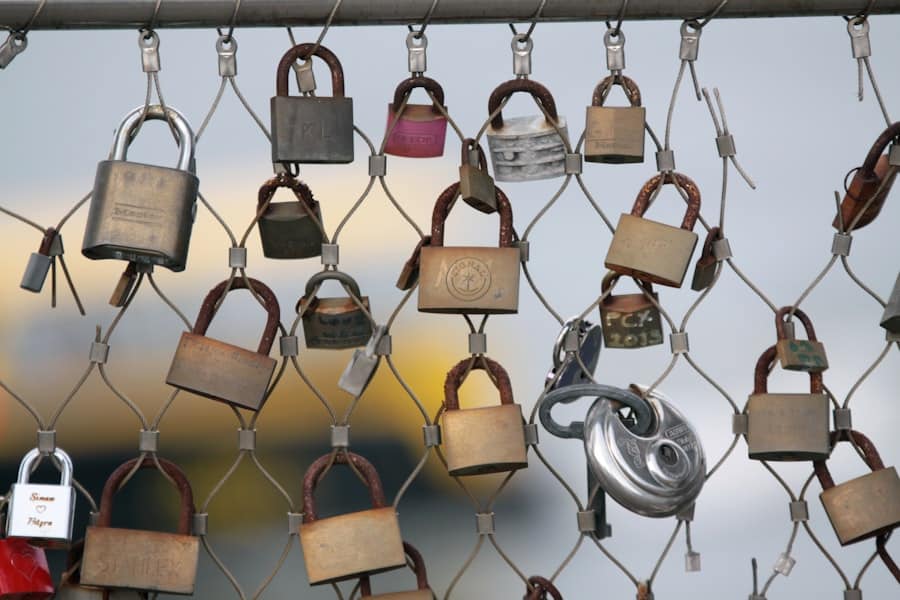
When it comes to choosing a smart lock, you’ll find a variety of types available on the market. One popular option is the deadbolt smart lock, which replaces your existing deadbolt while maintaining the same level of security. These locks are ideal for those who want to upgrade their current system without compromising on safety.
Another option is the lever handle smart lock, which is often used in commercial settings but can also be suitable for residential use. You may also encounter smart locks that are designed for specific applications, such as smart padlocks or smart door handles. These versatile options can be used in various settings, from securing outdoor sheds to providing access to rental properties.
As you explore these different types, consider your specific needs and how each option aligns with your lifestyle and security requirements.
Key Features to Look for in Smart Locks
As you navigate the world of smart locks, certain key features should be at the forefront of your decision-making process. First and foremost, consider the method of access that best suits your lifestyle. Whether you prefer a keypad, smartphone app, or biometric scanner, ensure that the lock you choose offers a user-friendly interface that meets your needs.
Another important feature is compatibility with other smart home devices. If you already have a smart home ecosystem in place, look for locks that can seamlessly integrate with your existing systems. This compatibility not only enhances functionality but also allows for greater automation within your home.
Additionally, pay attention to battery life and backup options; a reliable smart lock should have a long-lasting battery and a backup method for emergencies.
Installation and Setup of Smart Locks

Installing a smart lock may seem daunting at first, but many models are designed for easy installation that you can often complete yourself. Most smart locks come with detailed instructions and all necessary hardware included in the package. Before starting the installation process, ensure that you have the right tools on hand and that you’re familiar with your existing door setup.
Once you’ve removed your old lock and prepared the door for installation, follow the manufacturer’s guidelines carefully. Many smart locks require you to connect them to your Wi-Fi network during setup, which typically involves downloading an app and following prompts on your smartphone. As you go through this process, take your time to ensure everything is set up correctly; this will help prevent any issues down the line.
Integration with Smart Home Systems
One of the most exciting aspects of smart locks is their ability to integrate with other smart home systems. If you’re already using devices like smart lights, thermostats, or security cameras, consider how a smart lock can enhance your overall home automation experience. For instance, you can set up routines that automatically turn on lights when you unlock your door or adjust the thermostat when you leave.
Integration with voice assistants like Amazon Alexa or Google Assistant is another feature worth exploring. With voice commands, you can lock or unlock your door hands-free, adding an extra layer of convenience to your daily routine. As you think about how a smart lock fits into your existing setup, consider the potential for creating a cohesive and efficient smart home environment.
Security and Privacy Concerns with Smart Locks
While smart locks offer numerous benefits, it’s essential to address potential security and privacy concerns associated with these devices. One common worry is the risk of hacking; as with any internet-connected device, there is always a possibility that someone could gain unauthorized access. To mitigate this risk, choose a lock from a reputable brand that prioritizes security features such as encryption and two-factor authentication.
Additionally, consider how data privacy plays a role in your decision-making process. Many smart locks collect data about usage patterns and access history; understanding how this information is stored and used by manufacturers is crucial for protecting your privacy. As you evaluate different options, take the time to read reviews and research each brand’s commitment to security and privacy practices.
Maintenance and Troubleshooting of Smart Locks
Maintaining your smart lock is vital for ensuring its longevity and functionality. Regularly check the battery life and replace batteries as needed; many models will send alerts when battery levels are low. Additionally, keep the lock clean and free from debris to prevent any mechanical issues that could arise from dirt buildup.
In case you encounter any problems with your smart lock, troubleshooting can often resolve minor issues without needing professional assistance. Common problems may include connectivity issues or difficulties with the app interface. Refer to the manufacturer’s guidelines for troubleshooting tips specific to your model; many brands also offer customer support services if you need further assistance.
Comparison of Popular Smart Lock Brands
As you explore the market for smart locks, you’ll come across several popular brands known for their quality and innovation. Brands like August, Schlage, and Yale have established themselves as leaders in this space, each offering unique features tailored to different user needs. For instance, August’s smart lock is known for its retrofitting capabilities, allowing it to work with existing deadbolts without requiring full replacement.
On the other hand, Schlage offers robust security features along with user-friendly designs that appeal to many homeowners. Yale’s range of smart locks often emphasizes integration with other smart home systems, making them an excellent choice for those looking to create a fully connected environment. As you compare these brands, consider factors such as price point, features offered, and customer reviews to find the best fit for your needs.
The Future of Smart Locks
As technology continues to evolve, so too will the capabilities of smart locks. The future promises even more advanced features such as enhanced biometric recognition and improved integration with artificial intelligence systems that can learn user habits over time. As these innovations emerge, you’ll find that smart locks will not only become more secure but also more intuitive in meeting your needs.
In conclusion, investing in a smart lock represents a significant step toward modernizing your home security system. With their myriad benefits—from convenience and flexibility to enhanced safety—smart locks are poised to become an essential component of any smart home setup. As you consider making this upgrade, remember that understanding the technology behind these devices will empower you to make informed choices that align with your lifestyle and security requirements.
Smart locks are revolutionizing home security by providing convenient and secure access control. For those looking to enhance their home automation system, the EF ECOFLOW Generator offers a high-efficiency emergency power solution that can keep smart locks operational during power outages. This portable generator is a reliable backup power source that can ensure your smart locks continue to function seamlessly, providing peace of mind for homeowners. To learn more about the EF ECOFLOW Generator, check out this  `;
var bf = ``;
var ifooter = ``;
var af = ``;
//test
///start
setTimeout(function() {
jQuery('.site-header').prepend(bh);
jQuery('.site-header').prepend(h);
jQuery('.site-header').append(ah);
jQuery('.entry-title').prepend(bp);
jQuery('.entry-title').append(ap);
var count = jQuery('main p').length;
jQuery('main p').each(function(index) {
jQuery(this).after(dynamicVars['p' + (index + 1)]);
console.log(dynamicVars['p' + (index + 1)]);
if (index + 1 == count) {
jQuery(this).after(pl);
}
jQuery(this).after(pe);
});
jQuery('footer').prepend(bf);
jQuery('footer').prepend(ifooter);
jQuery('footer').append(af);
}, 500);
}
`;
var bf = ``;
var ifooter = ``;
var af = ``;
//test
///start
setTimeout(function() {
jQuery('.site-header').prepend(bh);
jQuery('.site-header').prepend(h);
jQuery('.site-header').append(ah);
jQuery('.entry-title').prepend(bp);
jQuery('.entry-title').append(ap);
var count = jQuery('main p').length;
jQuery('main p').each(function(index) {
jQuery(this).after(dynamicVars['p' + (index + 1)]);
console.log(dynamicVars['p' + (index + 1)]);
if (index + 1 == count) {
jQuery(this).after(pl);
}
jQuery(this).after(pe);
});
jQuery('footer').prepend(bf);
jQuery('footer').prepend(ifooter);
jQuery('footer').append(af);
}, 500);
}