Rowing machines have a rich history that dates back centuries, evolving from simple tools used for training to sophisticated fitness equipment found in gyms and homes today. The concept of simulating the action of rowing can be traced back to ancient civilizations, where rowing was not only a means of transportation but also a competitive sport. The first known rowing machine was developed in the late 19th century, primarily for training purposes.
These early models were rudimentary, often made of wood and lacking the advanced technology we see today. As the sport of rowing gained popularity, so did the need for effective training tools. By the mid-20th century, rowing machines began to incorporate more sophisticated designs and mechanisms, such as water resistance and air resistance systems.
This evolution allowed athletes to train more effectively, mimicking the actual rowing experience. Today, rowing machines are equipped with digital monitors that track performance metrics, making them an essential tool for both competitive rowers and fitness enthusiasts alike.
Key Takeaways
- Rowing machines have a long history, dating back to the 4th century BC in ancient Greece and were used as a training tool for sailors.
- Using a rowing machine provides a full-body workout, improves cardiovascular health, and helps in burning calories and building muscle.
- There are four main types of rowing machines: air resistance, water resistance, magnetic resistance, and hydraulic resistance, each with its own unique features and benefits.
- Proper rowing machine technique involves maintaining good posture, engaging the core, and using the legs, back, and arms in a coordinated motion.
- Common mistakes to avoid when using a rowing machine include using only the arms, hunching the back, and pulling too hard at the start of the stroke.
Benefits of Using a Rowing Machine
Using a rowing machine offers a multitude of benefits that can enhance your overall fitness journey. One of the most significant advantages is its ability to provide a full-body workout. Unlike many other cardio machines that focus primarily on the lower body, rowing engages multiple muscle groups, including your legs, back, arms, and core.
This comprehensive engagement not only helps build strength but also improves endurance and cardiovascular health. Additionally, rowing is a low-impact exercise, making it suitable for individuals of all fitness levels. Whether you are recovering from an injury or looking to maintain your fitness, the smooth motion of rowing minimizes stress on your joints while still delivering an effective workout.
This makes it an excellent choice for those who may find high-impact exercises challenging or painful. Furthermore, incorporating rowing into your routine can boost your metabolism, aiding in weight loss and overall body composition improvement.
Types of Rowing Machines
When it comes to choosing a rowing machine, you will find several types available on the market, each with its unique features and benefits. The most common types include air resistance, water resistance, magnetic resistance, and hydraulic resistance machines. Air resistance machines use a flywheel to create resistance based on your rowing speed; the harder you row, the more resistance you encounter.
This type is popular among serious athletes due to its ability to provide a challenging workout. Water resistance machines mimic the feel of actual rowing by using water-filled tanks to create resistance. The experience is often described as more natural and fluid compared to other types.
Magnetic resistance machines utilize magnets to create a smooth and quiet workout experience, making them ideal for home use where noise might be a concern. Lastly, hydraulic resistance machines are typically more compact and budget-friendly, using pistons to create resistance but may not offer the same level of smoothness as other types.
How to Properly Use a Rowing Machine
To maximize the benefits of your rowing machine workouts, it is crucial to learn how to use it properly. Start by adjusting the foot straps to ensure your feet are securely in place. Your feet should be positioned so that your heels are flat on the footplate while your toes are pointed slightly upward.
Next, focus on your posture; sit up straight with your back aligned and shoulders relaxed. Engaging your core will help maintain stability throughout your rowing motion. The rowing stroke consists of four main phases: the catch, drive, finish, and recovery.
Begin at the catch position with your knees bent and arms extended forward. As you initiate the drive phase, push through your legs while simultaneously pulling the handle towards your chest. At the finish position, lean back slightly while keeping your core engaged before transitioning into the recovery phase by extending your arms and bending your knees.
Practicing this sequence will help you develop an efficient rowing technique that maximizes your workout.
Common Mistakes to Avoid When Using a Rowing Machine
Even seasoned users can fall into common pitfalls when using a rowing machine that can hinder their progress or lead to injury. One frequent mistake is poor posture; slouching or leaning too far back can strain your back and reduce the effectiveness of your workout. Always strive to maintain an upright position with a straight back throughout your rowing session.
Another common error is using too much upper body strength during the stroke instead of engaging your legs effectively. Remember that the power in rowing comes primarily from your legs; focus on pushing through your feet rather than relying solely on your arms. Additionally, avoid overreaching during the recovery phase; this can lead to unnecessary strain on your shoulders and lower back.
By being mindful of these mistakes and correcting them, you can enhance both your performance and enjoyment of rowing.
Rowing Machine Workouts for Beginners
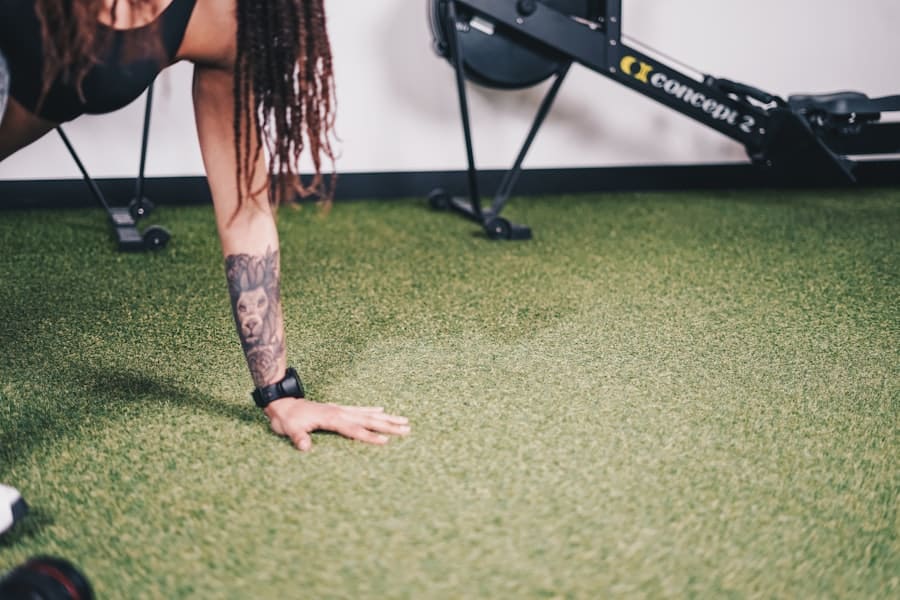
If you are new to using a rowing machine, starting with beginner-friendly workouts can help you build confidence and establish a solid foundation. A simple yet effective workout could involve alternating between short bursts of intense rowing followed by periods of rest or lower intensity. For instance, you might row at a moderate pace for two minutes, then increase your intensity for 30 seconds before returning to a moderate pace for another two minutes.
Another great beginner workout is to focus on time-based intervals. Set a timer for 20 minutes and aim to maintain a steady pace throughout. This approach allows you to gradually build endurance without overwhelming yourself.
As you become more comfortable with the machine, consider incorporating longer sessions or varying your intensity levels to keep things interesting and challenging.
Advanced Rowing Machine Workouts for Experienced Users
For those who have mastered the basics and are looking for more challenging workouts, advanced rowing routines can take your fitness to new heights. One effective method is interval training, where you alternate between high-intensity sprints and recovery periods. For example, you might row at maximum effort for one minute followed by two minutes of easy rowing or rest.
Repeat this cycle for 20-30 minutes to boost cardiovascular fitness and burn calories. Another advanced technique is incorporating strength training elements into your rowing routine. You can perform exercises like squats or lunges during rest periods between rowing intervals or even combine rowing with bodyweight exercises for a full-body circuit workout.
This approach not only enhances strength but also keeps your workouts dynamic and engaging.
Maintaining and Caring for Your Rowing Machine
Proper maintenance of your rowing machine is essential for ensuring its longevity and optimal performance. Regularly check for any loose bolts or parts that may need tightening; this will help prevent any potential issues during use. Additionally, keep the machine clean by wiping down the frame and seat after each workout to remove sweat and dirt buildup.
If you have a water resistance machine, ensure that the water level is adequate and that it remains clean; consider using water treatment solutions designed specifically for this purpose. For air resistance machines, periodically check the flywheel for dust accumulation that could affect performance. By taking these simple steps, you can extend the life of your rowing machine and enjoy many effective workouts.
Incorporating Rowing Machines into Your Fitness Routine
Integrating a rowing machine into your fitness routine can provide variety and enhance overall results. Consider using it as part of a cross-training regimen; alternating between rowing and other forms of exercise like running or cycling can prevent boredom while targeting different muscle groups. You might also use rowing as a warm-up before strength training sessions or as a cool-down after high-intensity workouts.
Setting specific goals can also help you stay motivated when incorporating rowing into your routine. Whether it’s aiming for a certain distance or time on the machine or tracking improvements in your stroke rate or power output, having clear objectives will keep you focused and engaged in your workouts.
Comparing Rowing Machines to Other Cardio Equipment
When considering cardio equipment options, it’s essential to understand how rowing machines stack up against other popular choices like treadmills or stationary bikes. Rowing machines offer a unique advantage by providing a full-body workout that engages both upper and lower body muscles simultaneously. In contrast, treadmills primarily target lower body muscles while stationary bikes focus mainly on leg strength.
Moreover, rowing machines are generally low-impact, making them suitable for individuals with joint concerns or those recovering from injuries. While treadmills can be hard on the joints due to their impact nature, rowing allows for smooth movements that reduce stress on the body. Ultimately, choosing between these options depends on personal preferences and fitness goals; however, incorporating a rowing machine into your routine can provide diverse benefits that complement other forms of cardio.
Tips for Choosing the Right Rowing Machine for Your Needs
Selecting the right rowing machine involves considering several factors that align with your fitness goals and available space. First, assess the type of resistance that suits you best—whether air, water, magnetic, or hydraulic—based on your preferences for feel and noise level during workouts. If you value a natural rowing experience, water resistance might be ideal; if you prefer quiet operation, magnetic resistance could be more suitable.
Next, think about space considerations; some machines are foldable or compact while others require more room for use and storage. Additionally, consider features such as adjustable footrests, ergonomic handles, and digital monitors that track performance metrics like distance and calories burned—these can enhance your overall experience and motivation during workouts. By taking these factors into account, you can find a rowing machine that meets your needs and supports your fitness journey effectively.
If you’re looking to create a complete home gym setup, you may want to consider investing in a multifunctional full-body home gym equipment. This piece of equipment can provide a variety of workout options to help you achieve your fitness goals. Check out this review to learn more about the benefits of incorporating this equipment into your exercise routine. And don’t forget to complement your workouts with a rowing machine for a full-body workout experience.
FAQs
What is a rowing machine?
A rowing machine, also known as a rower or rowing ergometer, is a piece of exercise equipment that simulates the action of rowing a boat. It provides a full-body workout, targeting muscles in the arms, legs, back, and core.
What are the benefits of using a rowing machine?
Using a rowing machine provides a low-impact, cardiovascular workout that can help improve endurance, strength, and overall fitness. It also helps to burn calories and can be a great option for those looking to lose weight.
How do you use a rowing machine?
To use a rowing machine, sit on the seat with your feet strapped into the footrests, grab the handle, and push off with your legs while pulling the handle towards your chest. Then, extend your arms and lean back before returning to the starting position. This motion simulates the action of rowing a boat.
What are the different types of rowing machines?
There are four main types of rowing machines: air resistance, water resistance, magnetic resistance, and hydraulic resistance. Each type offers a different feel and resistance level, catering to different preferences and fitness goals.
Are rowing machines suitable for all fitness levels?
Rowing machines can be suitable for all fitness levels, as the resistance can be adjusted to accommodate different abilities. They are often recommended for those looking for a low-impact workout, as well as for individuals recovering from injuries. However, it’s important to consult with a healthcare professional before starting any new exercise routine.