Adjustable desks have gained immense popularity in recent years, and for good reason. One of the primary benefits of using an adjustable desk is the flexibility it offers. You can easily switch between sitting and standing positions throughout your workday, which can significantly enhance your comfort and productivity.
By alternating between these two positions, you can reduce the risk of developing musculoskeletal disorders that often arise from prolonged sitting. This flexibility allows you to find the most comfortable position for your body at any given time, which can lead to increased focus and efficiency in your tasks. Moreover, standing while working can have a positive impact on your overall health.
Research has shown that standing desks can help reduce the risk of obesity, heart disease, and diabetes. When you stand, your body burns more calories compared to sitting, which can contribute to weight management. Additionally, standing encourages better circulation and can help alleviate the fatigue that often accompanies long hours of sitting.
By incorporating an adjustable desk into your workspace, you are not only investing in your comfort but also in your long-term health.
Key Takeaways
- Adjustable desks promote better posture and reduce the risk of health issues associated with prolonged sitting.
- Proper use of an adjustable desk involves alternating between sitting and standing, and adjusting the desk to the correct height for both positions.
- Transitioning to standing at your desk should be done gradually, starting with short periods and gradually increasing the duration.
- When choosing an adjustable desk, consider factors such as height range, stability, and ease of adjustment to find the right fit for your needs.
- Incorporating movement into your workday with an adjustable desk can improve circulation, reduce fatigue, and increase productivity.
How to Properly Use an Adjustable Desk
Proper Posture and Desk Height
Start by adjusting the height of your desk so that your elbows are at a 90-degree angle when typing. Your wrists should remain straight, and your hands should float comfortably above the keyboard. This position helps prevent strain on your wrists and shoulders, allowing you to work more efficiently without discomfort.
Monitor Placement and Neck Position
Additionally, ensure that your monitor is at eye level; this will help you maintain a neutral neck position and reduce the risk of neck strain.
Transitioning Between Sitting and Standing
When transitioning between sitting and standing, it’s important to do so gradually. Begin by standing for short periods and gradually increase the duration as your body adapts. You might find it helpful to set a timer to remind yourself to switch positions every 30 to 60 minutes. This practice not only helps you avoid fatigue but also encourages movement throughout your day. Remember that the goal is not to stand all day but to find a balance that works for you, allowing you to enjoy the benefits of both sitting and standing.
Tips for Transitioning to Standing at Your Desk

Transitioning to a standing desk can be a significant change for many people, especially if you are accustomed to sitting for long periods. To make this shift easier, start by incorporating short standing intervals into your routine. For instance, you could begin with 15-20 minutes of standing every hour and gradually increase this time as you become more comfortable.
This gradual approach allows your body to adjust without overwhelming it, making the transition smoother and more sustainable. Another effective strategy is to invest in a comfortable anti-fatigue mat. Standing for extended periods can lead to discomfort in your feet and legs, so having a cushioned surface can make a world of difference.
Additionally, consider wearing supportive footwear that provides adequate arch support. This will help reduce fatigue and discomfort while standing, allowing you to focus on your work rather than on how tired you feel. As you adapt to standing more frequently, pay attention to how your body responds and make adjustments as needed.
Choosing the Right Adjustable Desk for Your Needs
Selecting the right adjustable desk is crucial for maximizing its benefits. When shopping for an adjustable desk, consider factors such as height range, stability, and weight capacity. A desk that can accommodate your height will ensure that you can work comfortably whether sitting or standing.
Look for models that offer a wide height range so that both shorter and taller individuals can use it effectively. Stability is another important consideration. A wobbly desk can be distracting and may hinder your productivity.
Opt for desks with sturdy construction and a solid base to ensure stability during use. Additionally, think about the weight capacity of the desk; if you plan to use multiple monitors or other equipment, make sure the desk can support the weight without compromising its integrity. By carefully evaluating these factors, you can choose an adjustable desk that meets your specific needs and enhances your work experience.
Incorporating Movement into Your Workday with an Adjustable Desk
An adjustable desk provides an excellent opportunity to incorporate movement into your workday, which is essential for maintaining energy levels and overall well-being. One effective way to do this is by setting reminders to take short breaks throughout the day. During these breaks, step away from your desk and engage in light stretching or walking around your workspace.
This not only helps alleviate tension but also boosts circulation and refreshes your mind. You might also consider integrating simple exercises into your routine while using an adjustable desk. For example, calf raises or gentle squats can be performed while standing at your desk without requiring much space or time.
These small movements can help keep your muscles engaged and prevent stiffness from prolonged standing or sitting. By making movement a regular part of your workday, you’ll find that you feel more energized and focused throughout the day.
The Impact of Adjustable Desk Standing and Sitting on Posture and Health
Proper Sitting Posture
When sitting at an adjustable desk, make sure to maintain proper posture by keeping your back supported by the chair. Your feet should be flat on the ground or on a footrest, with your knees at or below hip level. This will help maintain the natural curve of your spine and reduce strain on your back.
Proper Standing Posture
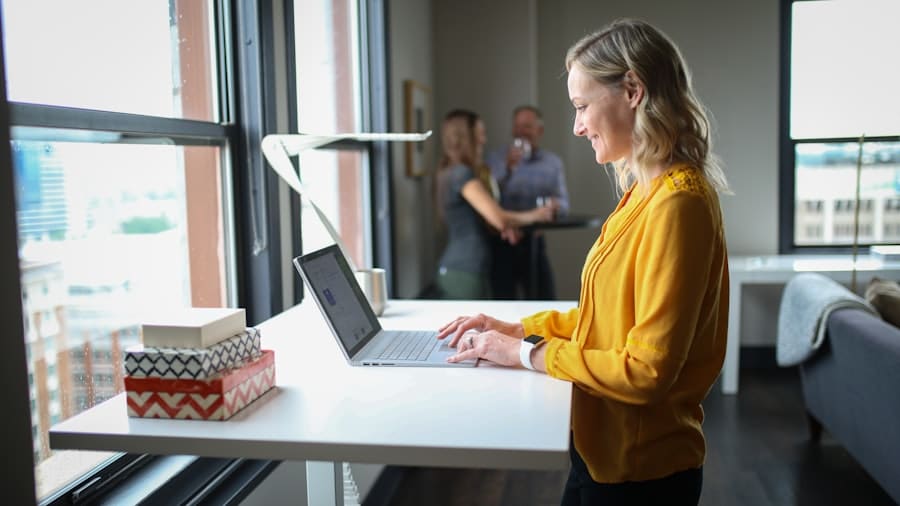
When standing at an adjustable desk, distribute your weight evenly between both feet and avoid locking your knees. Engaging your core muscles can also help maintain proper alignment and reduce strain on your back. Keep your shoulders relaxed and your head level, with your ears in line with your shoulders.
The Benefits of Good Posture
By being mindful of your posture throughout the day, you can significantly improve your comfort levels and reduce the risk of developing posture-related health issues. Good posture can also boost your energy levels, improve your mood, and increase your productivity. So, take the time to adjust your desk and your posture to achieve a healthier, happier you.
Creating an Ergonomic Workspace with an Adjustable Desk
Creating an ergonomic workspace is essential for maximizing the benefits of an adjustable desk. Start by ensuring that all elements of your workspace are positioned correctly relative to each other. Your monitor should be at eye level, about an arm’s length away from you, while your keyboard and mouse should be within easy reach to prevent straining your arms or shoulders.
In addition to monitor height, consider other ergonomic accessories such as a keyboard tray or monitor stand if needed. These tools can help achieve optimal positioning for both sitting and standing positions. Furthermore, ensure that your chair provides adequate lumbar support when sitting; this will help maintain proper spinal alignment and enhance comfort during long work sessions.
By taking these steps to create an ergonomic workspace, you’ll be setting yourself up for success in both comfort and productivity.
Maximizing Productivity with an Adjustable Desk Setup
To truly maximize productivity with an adjustable desk setup, it’s important to create an environment that minimizes distractions while promoting focus. Start by organizing your workspace efficiently; keep essential items within arm’s reach while removing clutter that may divert your attention from tasks at hand. A clean and organized workspace can significantly enhance concentration levels.
Additionally, consider using productivity techniques such as the Pomodoro Technique—working in focused bursts followed by short breaks—to maintain high levels of efficiency throughout the day. With an adjustable desk, you have the flexibility to change positions during these breaks or after each work session, keeping both your mind and body engaged. By combining effective workspace organization with strategic work techniques, you’ll find that you can achieve more in less time while enjoying the benefits of both sitting and standing throughout your day.
If you’re looking to create a healthier and more productive workspace, consider investing in an adjustable desk that allows you to easily switch between sitting and standing throughout the day. This can help reduce the negative effects of prolonged sitting and improve your overall well-being. For an added boost to your workspace environment, you may also want to check out the ToLife Air Purifier to keep the air clean and fresh.
FAQs
What is an adjustable desk for standing and sitting?
An adjustable desk for standing and sitting, also known as a sit-stand desk, is a type of desk that can be easily adjusted to different heights, allowing the user to work while either sitting or standing.
What are the benefits of using an adjustable desk for standing and sitting?
Using an adjustable desk for standing and sitting can help reduce the negative health effects of prolonged sitting, such as back pain, obesity, and cardiovascular disease. It also allows for greater flexibility and movement while working, potentially increasing productivity and focus.
How do adjustable desks for standing and sitting work?
Adjustable desks for standing and sitting typically feature a mechanism that allows the user to easily change the desk height, often using a crank, electric motor, or pneumatic lift system. Some models may also include memory settings for different height preferences.
Are there any ergonomic considerations when using an adjustable desk for standing and sitting?
Yes, it’s important to ensure that the desk and chair are properly adjusted to maintain good posture and reduce the risk of strain or injury. It’s also recommended to alternate between sitting and standing throughout the day to avoid overexertion.
Can anyone use an adjustable desk for standing and sitting?
Yes, adjustable desks for standing and sitting are designed to accommodate a wide range of users. However, individuals with certain health conditions or physical limitations should consult with a healthcare professional before using a sit-stand desk.