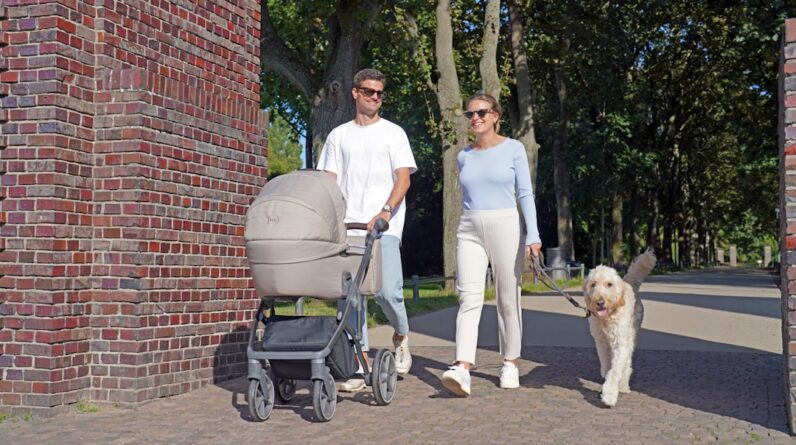
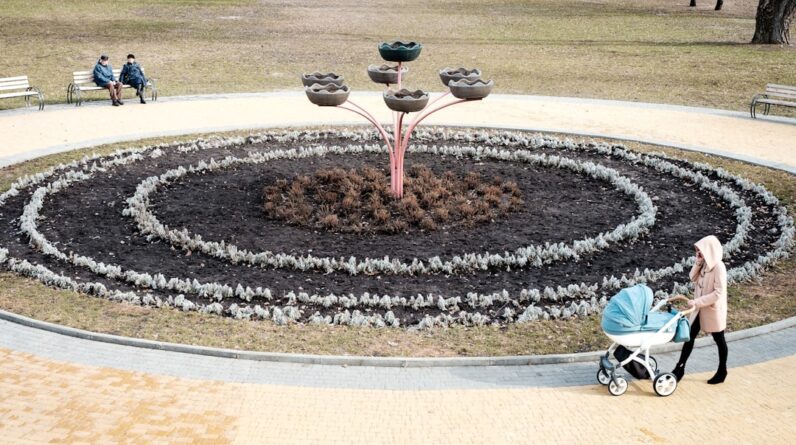
Strollers have become an essential item for many parents, providing a convenient way to transport their little ones while navigating the hustle and bustle of daily life. As you stroll through parks, shopping centers, or city streets, you may notice that strollers come in various shapes, sizes, and designs, each catering to different needs and preferences. The primary purpose of a stroller is to offer a safe and comfortable space for your baby while allowing you the freedom to move about with ease.
Whether you are running errands or enjoying a leisurely walk, a stroller can be a valuable tool in your parenting arsenal. In addition to their practicality, strollers can also serve as a means of bonding between you and your baby. As you push your child along, you have the opportunity to engage with them, point out interesting sights, and share experiences that can foster a sense of security and connection.
However, while strollers offer numerous advantages, it is essential to be aware of their potential risks and the impact they may have on your baby’s development. Understanding both the benefits and drawbacks of stroller use will help you make informed decisions about how to incorporate them into your parenting routine.
Key Takeaways
- Strollers are a convenient and popular way to transport babies and young children.
- Potential risks of using strollers include tipping over, strangulation, and falls.
- Prolonged use of strollers can impact babies’ physical and cognitive development.
- Alternatives to using strollers include babywearing and using a baby carrier.
- Tips for safe and proper use of strollers include using the harness, avoiding hanging bags on handles, and checking for recalls.
Potential Risks and Dangers of Using Strollers for Babies
While strollers provide convenience, they are not without their risks. One of the most significant dangers associated with stroller use is the potential for accidents. For instance, if a stroller is not properly secured or if it is parked on an incline, it can roll away unexpectedly, posing a serious threat to your child’s safety.
Additionally, there is the risk of tipping over if the stroller is overloaded or if your baby leans too far to one side. These incidents can lead to injuries that range from minor scrapes to more severe consequences. Another concern is the possibility of over-reliance on strollers.
As a parent, you may find it easy to rely on a stroller for every outing, which can inadvertently limit your baby’s opportunities for physical activity and exploration. Babies need time to move freely and develop their motor skills, and excessive time spent in a stroller can hinder this natural progression. Furthermore, prolonged use of strollers may lead to issues such as poor posture or delayed milestones in crawling and walking.
It is crucial to strike a balance between using a stroller for convenience and allowing your baby the freedom to explore their environment.
Impact of Prolonged Use of Strollers on Babies’ Development
The developmental implications of prolonged stroller use are an important consideration for parents. When babies spend extended periods confined to a stroller, they miss out on critical opportunities for physical development. Movement is essential for babies as it helps strengthen their muscles and improve coordination.
If they are frequently strapped into a stroller, they may not engage in the necessary activities that promote crawling, standing, and walking. Moreover, the limited range of motion in a stroller can affect sensory development. Babies learn about their world through touch, sight, and sound, and being confined can restrict their ability to interact with their surroundings fully.
This lack of engagement can lead to delays in cognitive development as well. To foster healthy growth, it is vital to provide your baby with ample opportunities for movement outside of the stroller. Encouraging tummy time, playdates on the floor, and supervised exploration can help counteract the effects of excessive stroller use.
Alternatives to Using Strollers for Babies
Fortunately, there are several alternatives to using strollers that can provide both convenience and developmental benefits for your baby. One popular option is baby carriers or slings. These allow you to keep your baby close while still having your hands free for other tasks.
Babywearing promotes bonding and provides your child with a sense of security while also encouraging movement and interaction with the environment. Another alternative is using a wagon or pushcart designed for toddlers. These options allow your child to sit comfortably while still being able to engage with their surroundings.
Wagons often have more space for toys or snacks, making them ideal for outings to parks or picnics. Additionally, allowing your child to walk alongside you when appropriate can foster independence and encourage physical activity. By incorporating these alternatives into your routine, you can create a more balanced approach to transportation that supports your baby’s development.
Tips for Safe and Proper Use of Strollers for Babies
If you choose to use a stroller, ensuring its safe and proper use is paramount. First and foremost, always buckle your baby securely into the harness provided. This simple step can prevent accidents and keep your child safe during your outings.
Additionally, familiarize yourself with the stroller’s features and weight limits; overloading it can lead to tipping or malfunctioning. When using a stroller in public spaces, be mindful of your surroundings. Avoid busy areas where the risk of collisions is higher, and always keep an eye on your child while navigating through crowds.
It’s also wise to avoid leaving your stroller unattended, even for a moment. If you need to step away briefly, take your baby with you or ensure that someone else is watching them closely. By following these safety tips, you can enjoy the convenience of a stroller while minimizing potential risks.
Benefits of Using Strollers for Babies

Despite the potential risks associated with stroller use, there are numerous benefits that make them an appealing choice for many parents. One significant advantage is the convenience they offer. Strollers allow you to transport your baby easily while carrying essential items like diaper bags or snacks without straining your back or arms.
This ease of mobility can be especially beneficial during long outings or when navigating busy environments. Moreover, strollers provide a comfortable space for your baby to rest during outings. Babies often need naps throughout the day, and having a stroller allows them to sleep peacefully while you continue with your activities.
This flexibility can make outings more enjoyable for both you and your child since you won’t have to cut short your plans due to nap times. Additionally, many modern strollers come equipped with features such as adjustable seats and sunshades that enhance comfort and protection from the elements.
How to Choose the Right Stroller for Your Baby
Selecting the right stroller for your baby involves considering several factors that align with your lifestyle and needs. First, think about how often you plan to use the stroller and in what environments. If you live in an urban area with narrow sidewalks or public transportation access, a lightweight and compact stroller may be ideal.
Conversely, if you enjoy outdoor activities like hiking or jogging, look for strollers designed for rough terrain that offer durability and stability. Safety features should also be at the forefront of your decision-making process. Ensure that the stroller has a reliable braking system, sturdy construction, and secure harnesses that will keep your baby safe during use.
Additionally, consider how easy it is to fold and store the stroller; convenience in this area can make a significant difference in your daily routine. By taking these factors into account, you can choose a stroller that meets both your needs and those of your growing baby.
Balancing the Use of Strollers for Babies
In conclusion, strollers can be an invaluable tool for parents when used thoughtfully and safely. While they offer convenience and comfort for both you and your baby, it is essential to remain aware of their potential risks and impacts on development. Striking a balance between using strollers and providing opportunities for movement and exploration will help ensure that your child develops healthily.
As you navigate parenthood, consider incorporating alternatives like baby carriers or allowing your child to walk alongside you when appropriate. By doing so, you can create a more enriching environment that fosters growth while still enjoying the benefits that strollers provide. Ultimately, being mindful of how you use strollers will enable you to make informed choices that support both your lifestyle and your baby’s development.
If you are interested in finding ways to stay active with your baby, you may want to check out the Home Resistance Training Kit Review. This article provides information on how to incorporate resistance training into your routine, even with a little one in tow. It offers tips on how to safely and effectively use resistance bands and other equipment to stay fit while caring for your baby.
FAQs
What are the potential risks of using strollers for babies?
Using strollers for extended periods of time can lead to delays in motor skill development, muscle weakness, and decreased bone density in babies.
How can strollers impact a baby’s physical development?
Prolonged use of strollers can restrict a baby’s natural movement and limit opportunities for physical activity, which can hinder the development of their muscles and motor skills.
Are there any guidelines for using strollers with babies?
It is recommended to limit the time babies spend in strollers and provide opportunities for them to move and explore their environment freely. Additionally, using strollers with proper support and positioning can help minimize potential negative impacts on a baby’s physical development.
What are some alternatives to using strollers for babies?
Alternatives to using strollers include babywearing, allowing babies to crawl and explore in a safe environment, and providing opportunities for tummy time and other forms of physical activity that promote healthy development.