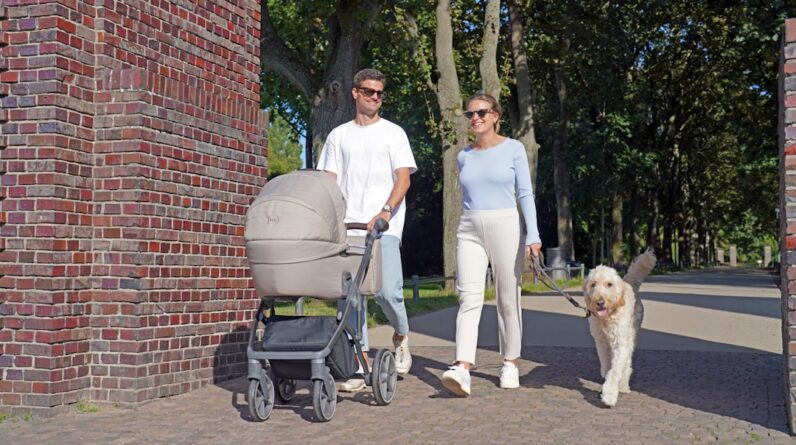
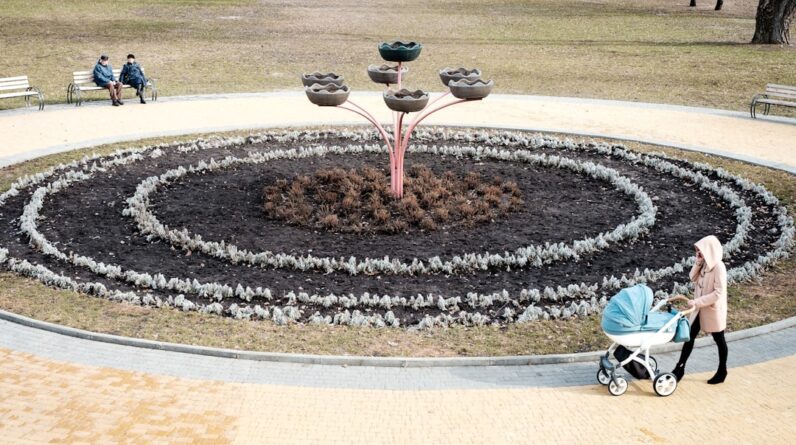
The journey of baby strollers is a fascinating tale that reflects changes in society, technology, and parenting styles. Initially, the concept of a stroller emerged in the early 18th century, designed primarily for the wealthy. These early models were often elaborate, crafted from wood and adorned with intricate designs.
They were not just functional but also a status symbol, showcasing the family’s affluence. As time progressed, the need for practicality began to overshadow aesthetics. By the 19th century, strollers became more accessible to the general public, evolving into simpler designs that prioritized ease of use and safety.
Fast forward to the 20th century, and the baby stroller underwent significant transformations with the advent of new materials and manufacturing techniques. The introduction of lightweight aluminum frames and durable fabrics revolutionized stroller design, making them easier to maneuver and transport. The 1980s saw the rise of umbrella strollers, which offered a compact solution for parents on the go.
Today, strollers come in a myriad of styles, from traditional models to high-tech options equipped with features like adjustable handlebars, reclining seats, and even built-in speakers. This evolution reflects not only advancements in technology but also a deeper understanding of the needs of modern parents and their children.
Key Takeaways
- Baby strollers have evolved from simple, utilitarian designs to more advanced and versatile options that cater to different lifestyles and needs.
- When choosing a baby stroller, consider factors such as your daily activities, transportation methods, and storage space to find the right fit for your lifestyle.
- Safety features like a sturdy frame, secure harness, and reliable brakes are essential when selecting a baby stroller to ensure the well-being of your child.
- Jogging strollers are ideal for active parents, offering features like suspension systems, large wheels, and lightweight designs for smooth and comfortable runs with your baby.
- When traveling with a baby stroller, consider factors like portability, compact folding, and airline regulations to make your journey more convenient and stress-free.
- Proper maintenance and cleaning of your baby stroller, including regular inspections, lubrication, and washing, can prolong its lifespan and ensure safe and smooth operation.
- The environmental impact of baby strollers, including materials used, manufacturing processes, and end-of-life disposal, is an important consideration for eco-conscious parents.
- Innovative features and trends in baby stroller design, such as multi-functional seating, smart technology integration, and sustainable materials, are shaping the future of baby stroller options.
Choosing the Right Baby Stroller for Your Lifestyle
Urban Explorers
If you live in the city and frequently use public transportation, a lightweight and compact stroller is ideal. These strollers are designed to be easily folded and portable, making it simple to navigate through crowded sidewalks and tight spaces.
Outdoor Enthusiasts
On the other hand, if you enjoy outdoor activities or have an active lifestyle, consider all-terrain strollers that can handle various surfaces while keeping your child comfortable.
Future-Proofing and Storage
It’s also essential to think about your future needs as your child grows. Some strollers can accommodate multiple children or be converted from a single to a double stroller, saving you money in the long run and adapting to your family’s changing dynamics. Additionally, consider strollers with ample storage space to carry essentials like diapers, snacks, and toys, making outings more manageable.
Safety Features to Look for in a Baby Stroller
Safety is paramount when it comes to choosing a baby stroller. As a parent, you want peace of mind knowing that your child is secure while you’re on the move. One of the first features to look for is a five-point harness system.
This type of harness secures your child at the shoulders, waist, and between the legs, preventing them from slipping out or standing up while the stroller is in motion. Additionally, ensure that the stroller has a sturdy frame and is made from high-quality materials that can withstand daily use. Brakes are another critical safety feature to consider.
A reliable braking system will keep your stroller stationary when parked, preventing any accidental rolling away. Look for strollers with foot-operated brakes that are easy to engage and disengage. Furthermore, consider models with a wide base for added stability; this design helps prevent tipping over when navigating uneven terrain or when your child leans to one side.
Lastly, check for safety certifications from recognized organizations; these certifications indicate that the stroller has undergone rigorous testing to meet safety standards.
The Benefits of Jogging Strollers for Active Parents
For parents who lead an active lifestyle, jogging strollers offer an excellent solution for incorporating fitness into family time. These specialized strollers are designed with larger wheels and a fixed front wheel, providing stability and ease of maneuverability while running or jogging. The suspension system in jogging strollers absorbs shocks from uneven surfaces, ensuring a smooth ride for your child while you maintain your pace.
This means you can enjoy your workout without compromising your child’s comfort. Moreover, jogging strollers often come with additional features that cater to active parents. Many models include adjustable handlebars to accommodate different heights, making it easier for both parents to use the stroller comfortably.
Some even have built-in storage compartments for essentials like water bottles or snacks, allowing you to stay hydrated and energized during your run. By choosing a jogging stroller, you not only promote an active lifestyle for yourself but also instill healthy habits in your child from an early age.
Tips for Traveling with a Baby Stroller
Traveling with a baby stroller can be a rewarding experience if you plan ahead and choose wisely. First and foremost, consider the type of stroller that will best suit your travel needs. Lightweight strollers are ideal for air travel as they can be easily folded and stored in overhead compartments or checked at the gate.
Look for models that come with travel bags or covers to protect them during transit. Additionally, ensure that your chosen stroller is compatible with car seats if you plan on using it in conjunction with a vehicle.
Many airports offer family-friendly amenities such as designated stroller lanes or rental services for strollers at their facilities. It’s also wise to arrive early to allow ample time for security checks and boarding processes. While traveling, keep essential items like diapers, wipes, and snacks easily accessible in your stroller’s storage compartment so you can quickly attend to your baby’s needs without fumbling through bags.
How to Properly Maintain and Clean Your Baby Stroller
Maintaining and cleaning your baby stroller is crucial for ensuring its longevity and safety. Regular upkeep not only keeps the stroller looking good but also prevents wear and tear that could compromise its functionality. Start by checking the wheels regularly; debris can accumulate in the wheel mechanisms, leading to reduced performance.
Clean the wheels with soap and water as needed, ensuring they spin freely without obstruction. Cleaning the fabric components is equally important. Most strollers come with removable fabric covers that can be machine washed; however, always check the manufacturer’s instructions before doing so.
For non-removable parts, use a damp cloth and mild detergent to wipe down surfaces regularly. Pay special attention to areas where spills may occur or where dirt can accumulate, such as under the seat or in storage compartments. By establishing a routine cleaning schedule, you can keep your stroller in top condition while providing a safe environment for your child.
The Environmental Impact of Baby Strollers
As awareness of environmental issues grows, many parents are becoming increasingly conscious of the ecological impact of their purchases, including baby strollers. The production process of strollers often involves materials that may not be eco-friendly or sustainable.
As a responsible consumer, consider opting for brands that prioritize sustainability by using recycled materials or eco-friendly manufacturing processes. Additionally, think about the longevity of your stroller when making a purchase decision. Investing in high-quality strollers that are built to last can reduce waste over time since they won’t need frequent replacement.
Some companies even offer trade-in programs or recycling initiatives that allow you to return old strollers for proper disposal or refurbishment. By being mindful of your choices and supporting environmentally responsible brands, you can help mitigate the ecological footprint associated with baby strollers.
Innovative Features and Trends in Baby Stroller Design
The world of baby strollers is constantly evolving, with innovative features emerging to meet the needs of modern parents. One notable trend is the integration of technology into stroller design. Many new models now come equipped with smart features such as built-in GPS tracking systems or Bluetooth connectivity that allows parents to monitor their child’s activity through mobile apps.
These advancements provide an added layer of convenience and peace of mind for tech-savvy parents. Another exciting development is the focus on modular designs that allow for customization based on individual preferences and needs. Some strollers now offer interchangeable seats that can be adapted as your child grows or even transformed into car seats or high chairs when needed.
This versatility not only enhances functionality but also maximizes value by reducing the number of products parents need to purchase over time. As trends continue to evolve in baby stroller design, parents can look forward to even more innovative solutions that cater to their dynamic lifestyles while ensuring comfort and safety for their little ones.
If you’re in the market for a new baby stroller, you may also be interested in reading a review of the QSC KW153 Loudspeaker. This article discusses the features and performance of this high-quality speaker, which could be useful for parents who enjoy listening to music while out for a stroll with their little one. Check out the review here.
FAQs
What are the different types of baby strollers available?
There are several types of baby strollers available, including standard strollers, jogging strollers, umbrella strollers, travel systems, and double strollers.
What features should I look for in a baby stroller?
When choosing a baby stroller, consider features such as safety harnesses, adjustable handles, storage space, reclining seats, and compatibility with car seats.
What is the weight limit for a baby stroller?
The weight limit for a baby stroller varies depending on the model, but most standard strollers can typically support up to 50 pounds.
How do I clean and maintain a baby stroller?
To clean and maintain a baby stroller, follow the manufacturer’s instructions for washing fabric parts, regularly check and lubricate the wheels, and store the stroller in a dry place when not in use.
Are there safety guidelines for using baby strollers?
Yes, it’s important to follow safety guidelines when using baby strollers, such as always using the safety harness, avoiding hanging heavy bags on the handles, and not leaving the child unattended in the stroller.
What should I consider when buying a baby stroller for travel?
When buying a baby stroller for travel, consider factors such as weight, compactness when folded, ease of maneuverability, and compatibility with airline regulations.