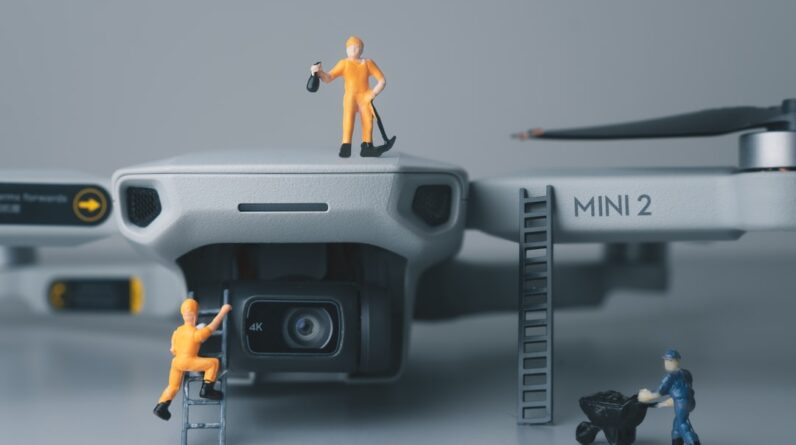
When you embark on your journey into the world of filmmaking or photography, one of the first things you might encounter is the camera cage or rig. These tools are designed to enhance your shooting experience, providing stability and versatility that can significantly improve the quality of your work. A camera cage is essentially a protective frame that surrounds your camera, allowing you to attach various accessories such as microphones, lights, and monitors.
This not only safeguards your equipment but also enables you to customize your setup according to your specific needs. On the other hand, camera rigs take this concept a step further. They are more complex systems that can include shoulder mounts, handheld grips, and even gimbals.
Rigs are designed to help you achieve smoother shots, especially during dynamic movements. By understanding the fundamental differences between cages and rigs, you can better appreciate how they can elevate your filmmaking or photography projects. Whether you’re shooting a documentary, a short film, or simply capturing moments in your daily life, knowing how to utilize these tools effectively can make a significant difference in your final output.
Key Takeaways
- Camera cages and rigs provide stability and support for your camera, allowing for smoother and more professional-looking shots.
- Using a camera cage or rig can help reduce fatigue and strain on the user, especially during long shooting sessions.
- There are various types of camera cages and rigs available, including handheld rigs, shoulder rigs, and cage systems with multiple mounting points.
- When choosing a camera cage or rig, consider factors such as the type of camera you have, the shooting environment, and the specific needs of your project.
- Setting up and using a camera cage or rig may require some practice and adjustment, but it can greatly improve the quality of your footage.
Benefits of Using Camera Cages and Rigs
The advantages of using camera cages and rigs are manifold, and they can greatly enhance your shooting experience. One of the primary benefits is improved stability. When you attach your camera to a cage or rig, it becomes easier to hold steady, reducing the chances of shaky footage.
This is particularly important when you’re shooting handheld or in challenging environments where traditional tripods may not be feasible. The added stability allows you to focus more on your composition and storytelling rather than worrying about camera shake. Another significant benefit is the ability to expand your setup with various accessories.
With a camera cage, you can easily attach external microphones for better audio quality, lights for improved visibility, and monitors for better framing. This modularity allows you to adapt to different shooting conditions and requirements seamlessly. Additionally, many cages and rigs are designed with multiple mounting points, giving you the freedom to position your accessories exactly where you need them.
This level of customization can be a game-changer, especially when you’re working on complex shoots that require quick adjustments.
Types of Camera Cages and Rigs
As you delve deeper into the world of camera cages and rigs, you’ll discover a variety of options tailored to different needs and preferences. One common type is the DSLR cage, which is specifically designed for digital single-lens reflex cameras. These cages often feature lightweight materials like aluminum, making them easy to carry while still providing robust protection for your camera.
They typically include multiple mounting points for accessories, allowing you to create a versatile setup. Another popular option is the cinema rig, which is more comprehensive and often includes shoulder mounts and follow focus systems. Cinema rigs are ideal for filmmakers who require a more professional setup for shooting high-quality video.
They provide enhanced stability and control, making it easier to achieve cinematic shots. Additionally, there are specialized rigs for specific types of shooting, such as gimbals for smooth motion or handheld rigs for dynamic action sequences. Understanding the different types available will help you choose the right one for your specific shooting style.
How to Choose the Right Camera Cage or Rig for Your Needs
Selecting the right camera cage or rig can feel overwhelming given the plethora of options available on the market. To make an informed decision, start by assessing your specific needs and shooting style. Consider the type of camera you own and the kind of projects you typically undertake.
If you’re primarily shooting with a DSLR for personal projects, a lightweight cage may suffice. However, if you’re venturing into professional filmmaking, investing in a more robust cinema rig could be beneficial. Another crucial factor to consider is compatibility with accessories.
Think about what additional gear you plan to use alongside your camera. If you frequently work with external microphones or lights, ensure that the cage or rig you choose has ample mounting points for these accessories. Additionally, consider the weight and portability of the setup.
If you’re often on the move or shooting in various locations, a lightweight option may be more practical than a heavier rig that could become cumbersome over time.
Setting Up and Using a Camera Cage or Rig
Once you’ve chosen the right camera cage or rig for your needs, it’s time to set it up and start shooting. Begin by securely attaching your camera to the cage or rig according to the manufacturer’s instructions. Ensure that all screws and mounts are tightened properly to prevent any accidental disconnections during filming.
Once your camera is securely in place, take a moment to attach any additional accessories you plan to use. When using a rig, practice holding it in different positions to find what feels most comfortable for you. If you’re using a shoulder rig, adjust the height and angle to suit your body type and shooting style.
Familiarize yourself with how each accessory functions within the setup; this will help you make quick adjustments during shoots without fumbling around. The more comfortable you become with your rig or cage, the more effectively you’ll be able to focus on capturing stunning visuals.
Accessories and Add-ons for Camera Cages and Rigs
To maximize the potential of your camera cage or rig, consider investing in various accessories that can enhance your shooting experience. One essential add-on is an external monitor, which allows for better framing and focus control while filming. This is particularly useful when shooting at awkward angles or when using a rig that places the camera further away from your line of sight.
Another valuable accessory is a follow focus system, which enables precise control over focus adjustments during filming. This is especially important in narrative filmmaking where maintaining sharp focus on moving subjects can be challenging. Additionally, consider adding a microphone mount for improved audio capture or LED lights for better illumination in low-light conditions.
By thoughtfully selecting accessories that complement your cage or rig, you can create a more efficient and effective shooting setup.
Maintenance and Care for Camera Cages and Rigs
Proper maintenance of your camera cage or rig is essential to ensure its longevity and optimal performance. Start by regularly inspecting all components for signs of wear or damage. Check screws and mounts to ensure they remain tight and secure; loose components can lead to instability during filming.
If you notice any scratches or dents on the cage or rig, take care to address them promptly to prevent further damage. Cleaning is another crucial aspect of maintenance. Use a soft cloth to wipe down surfaces regularly, removing dust and grime that can accumulate over time.
For more stubborn stains or marks, consider using mild cleaning solutions specifically designed for electronics. Avoid using harsh chemicals that could damage the finish of your equipment. By taking these simple steps to care for your camera cage or rig, you’ll ensure it remains in excellent condition for years to come.
Tips and Tricks for Getting the Most Out of Your Camera Cage or Rig
To truly harness the potential of your camera cage or rig, consider implementing some practical tips and tricks that can enhance your shooting experience. First and foremost, practice makes perfect; spend time getting comfortable with your setup before heading out on important shoots. Familiarize yourself with how each accessory works in conjunction with your rig so that you can make quick adjustments when needed.
Additionally, experiment with different configurations to find what works best for your shooting style. Don’t hesitate to try out various mounting positions for accessories like microphones or lights; sometimes a small adjustment can make a significant difference in achieving the desired effect. Lastly, always be prepared for unexpected situations by keeping essential tools handy—such as extra batteries or lens wipes—so that you’re ready for anything that comes your way during filming.
In conclusion, understanding camera cages and rigs is essential for anyone looking to elevate their photography or filmmaking skills. By recognizing their benefits, types, and how to choose the right one for your needs, you can set yourself up for success in capturing stunning visuals. With proper setup, maintenance, and thoughtful use of accessories, you’ll be well-equipped to create compelling stories through your lens.
If you are looking to enhance your filmmaking equipment, consider investing in a camera cage or rig. These tools provide stability and versatility for your camera, allowing you to capture smooth and professional-looking shots. To complement your camera rig, you may also want to check out the Signature Hardware 417701 Dalton Stainless Steel Shower Panel. This luxurious shower panel offers a spa-like experience in the comfort of your own home, perfect for unwinding after a long day of shooting. With the Hydro Massage Soaking Spa Tub, you can further relax and rejuvenate your body, ensuring you are ready for your next creative project. Additionally, the Squat Wedge can help improve your posture and overall health, allowing you to stay comfortable during long editing sessions. Consider these products to enhance your filmmaking experience and overall well-being. Read more about the Signature Hardware 417701 Dalton Stainless Steel Shower Panel here.
FAQs
What is a camera cage?
A camera cage is a protective frame or housing that is used to mount and protect a camera while also providing additional mounting points for accessories such as lights, microphones, and monitors.
What is a camera rig?
A camera rig is a system of support and stabilization for a camera, typically consisting of a combination of handles, shoulder mounts, and other accessories to help the camera operator achieve steady and controlled shots.
What are the benefits of using a camera cage or rig?
Using a camera cage or rig can provide added protection for the camera, as well as improved stability and control for the operator. It also allows for the attachment of additional accessories to enhance the functionality of the camera.
What types of cameras are camera cages and rigs designed for?
Camera cages and rigs are designed for a wide range of cameras, including DSLRs, mirrorless cameras, and professional cinema cameras. There are specific cages and rigs designed for each type of camera to ensure a secure fit and proper functionality.
Are camera cages and rigs compatible with all camera accessories?
Camera cages and rigs are designed to be compatible with a wide range of camera accessories, including lights, microphones, monitors, and more. However, it is important to ensure that the specific cage or rig is compatible with the accessories you intend to use.