Imagine never having to worry about power outages disrupting your daily life again. With the right backup battery for your home, you can ensure that your essential appliances and devices stay running, even when the grid fails. But with so many options available, how do you choose the right one? In this article, you will discover some key factors to consider when selecting a backup battery for your home, making the decision-making process a breeze. Say goodbye to dark nights and spoiled food, and embrace the peace of mind that a reliable backup battery can bring.

Factors to Consider
When choosing a backup battery for your home, there are several factors to consider to ensure you make the right choice. These factors include power capacity, connectivity, battery type, ease of installation, size and portability, longevity and lifespan, cost and budget, safety features, and integration with renewable energy sources. By thoroughly considering each of these factors, you can select a backup battery that perfectly suits your needs.
Power Capacity
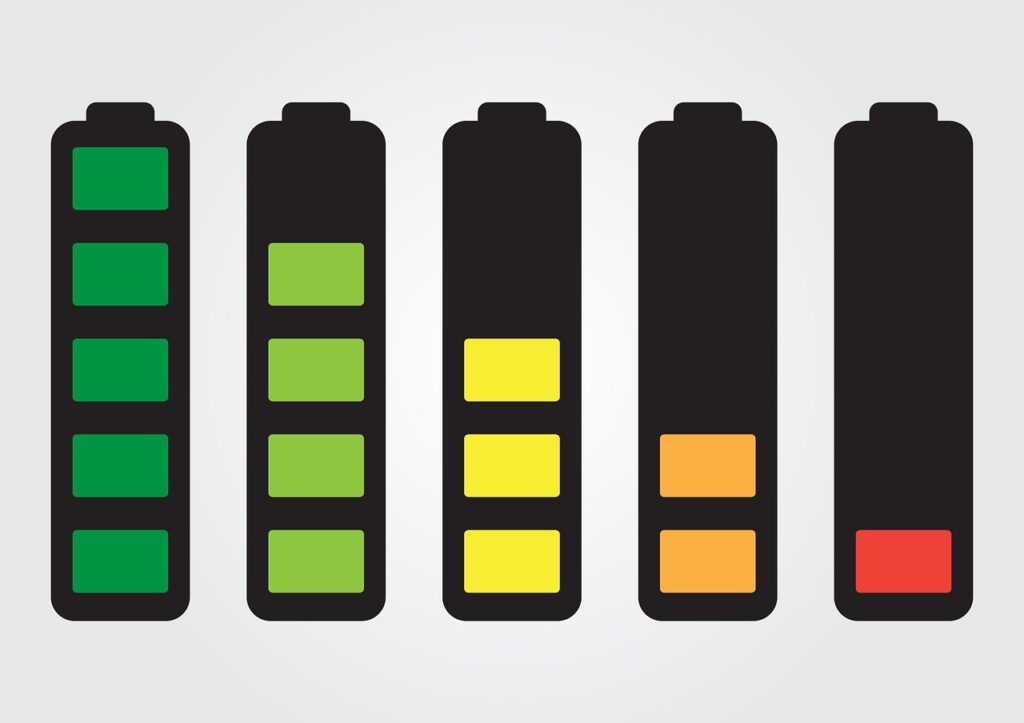
One of the first factors to consider when choosing a backup battery for your home is the power capacity it offers. Determining your power needs is crucial in selecting a battery that can provide enough electricity during power outages. Consider your electricity usage and the appliances you will need to power during an outage. Calculating the backup battery capacity required will ensure you have enough power to keep your essential devices and appliances running.
Connectivity
The next factor to consider is the connectivity options provided by the backup battery. Two common types of systems are grid-tied and off-grid. Grid-tied systems are connected to the utility grid and provide electricity when the grid is down. Off-grid systems, on the other hand, are completely independent and do not rely on the utility grid. Additionally, some backup batteries offer the option of parallel connection, allowing you to connect multiple batteries for increased power capacity.
Battery Type
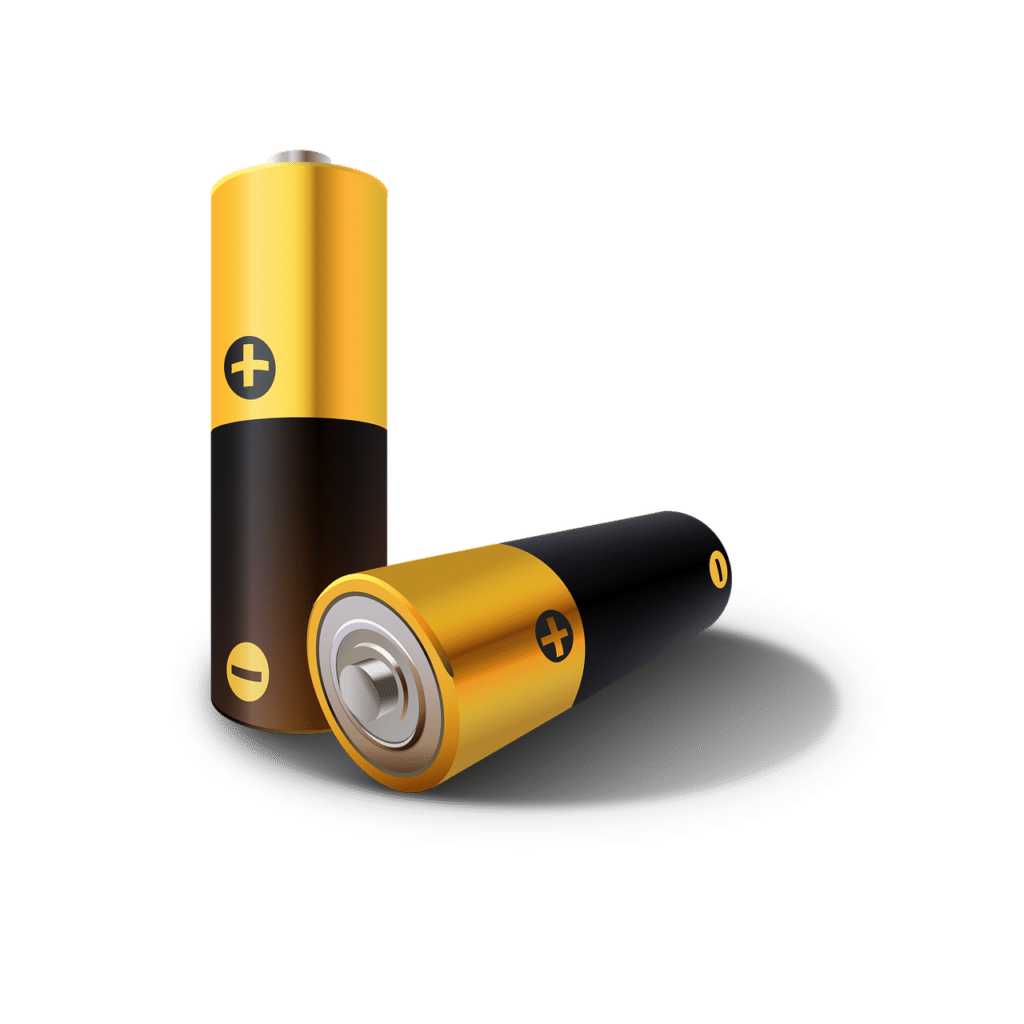
There are several battery types available for home backup systems, each with its own advantages and disadvantages. The most common types include lead acid batteries, lithium-ion batteries, and saltwater batteries. Lead acid batteries are economical but require regular maintenance. Lithium-ion batteries are more expensive but offer higher energy density and longer lifespans. Saltwater batteries are environmentally friendly and non-toxic but may have lower energy density compared to lithium-ion batteries.
Ease of Installation
The ease of installation is an important factor to consider, especially if you plan on installing the backup battery yourself. Some batteries are designed for do-it-yourself installation, providing clear instructions and user-friendly interfaces. On the other hand, professional installation may be required for more complex systems or if you are integrating the backup battery with existing systems such as solar panels. Compatibility with existing systems should also be considered to ensure seamless integration.
Size and Portability
Considering the size and portability of the backup battery is crucial, especially if you have limited space or require a portable solution. Physical dimensions should be assessed to ensure the battery fits in your desired location. Weight is another consideration, as heavier batteries may require additional support structures. If portability is a priority, look for batteries that are lightweight and easy to move around.

Longevity and Lifespan
The longevity and lifespan of the backup battery should be evaluated to ensure you are making a wise long-term investment. Battery cycle life refers to the number of charge and discharge cycles a battery can undergo before its capacity significantly decreases. A battery with a higher cycle life will generally last longer. Additionally, consider the maintenance requirements of the battery, as some may require regular checks or replacements. Warranty should also be taken into account to protect your investment.
Cost and Budget
The cost of the backup battery and your budget are essential factors to consider. The initial investment includes the purchase cost of the battery and any additional equipment required for installation. It is important to compare prices and consider the features and capabilities offered by different batteries before making a decision. Additional costs to consider include maintenance, replacements, and any required accessories. Calculating the return on investment will help determine if the cost aligns with the benefits provided by the battery.
Safety Features
Safety features are crucial when selecting a backup battery for your home. Overcharge and overdischarge protection help prevent damage to the battery and ensure safe operation. Temperature regulation features protect the battery from extreme temperatures, which can affect its performance. Short circuit protection is essential to prevent any electrical accidents. Checking for these safety features will give you peace of mind knowing that your battery is protected and reliable.
Integration with Renewable Energy Sources
If you have or plan to install renewable energy sources in your home, such as solar panels, wind turbines, or hydroelectric systems, it is important to choose a backup battery that can integrate seamlessly with these sources. Some batteries are specifically designed for use with renewable energy systems and offer compatibility and optimal performance. Ensuring compatibility with your renewable energy sources will maximize the utilization of clean energy and provide more sustainable backup power.
In conclusion, choosing the right backup battery for your home requires considering various factors. Assessing power capacity, connectivity options, battery type, ease of installation, size and portability, longevity and lifespan, cost and budget, safety features, and integration with renewable energy sources will guide you towards the most suitable option. By carefully evaluating these factors, you can make an informed decision and invest in a backup battery that provides reliable and efficient power during outages, ensuring the comfort and convenience of your home.