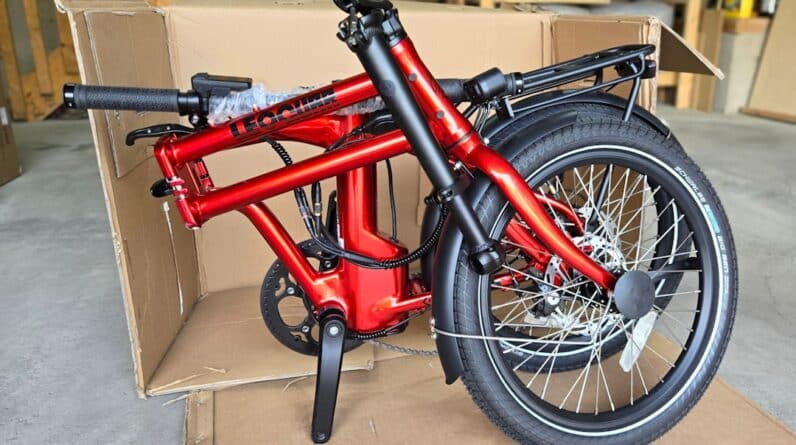
When you think about electric bicycles, you might envision a range of options that cater to different riding styles and preferences. Class-2 and Class-3 e-bikes are two categories that have gained significant popularity in recent years. Class-2 e-bikes are equipped with a throttle, allowing you to propel the bike without pedaling, making them an excellent choice for those who may not want to exert themselves too much.
This feature is particularly appealing for commuters or casual riders who appreciate the convenience of a little extra help when navigating through urban environments or tackling hilly terrains. On the other hand, Class-3 e-bikes are designed for those who enjoy a more dynamic riding experience. These bikes require you to pedal in order to engage the motor, which provides assistance up to a speed of 28 mph.
This makes them ideal for individuals who want to maintain a higher level of physical activity while still benefiting from the advantages of electric assistance. Both classes of e-bikes are becoming increasingly popular as people seek eco-friendly transportation alternatives and ways to incorporate more exercise into their daily routines.
Key Takeaways
- Class-2-3 E-bikes are electric bicycles that provide pedal assistance up to 20mph for Class-2 and 28mph for Class-3, with a motor power of 750W.
- Benefits of using Class-2-3 E-bikes include reduced carbon footprint, improved physical fitness, and cost savings on transportation.
- The main differences between Class-2 and Class-3 E-bikes are the maximum speed and the requirement of a throttle for Class-2 E-bikes.
- Safety regulations for Class-2-3 E-bikes include wearing a helmet, following traffic laws, and using lights and reflectors for visibility.
- Best practices for riding Class-2-3 E-bikes include staying aware of surroundings, using hand signals, and maintaining a safe distance from other vehicles.
Benefits of using Class-2-3 E-bikes
The benefits of using Class-2 and Class-3 e-bikes are numerous and can significantly enhance your daily commuting experience. One of the most notable advantages is the reduction in commuting time. With the ability to travel faster than traditional bicycles, you can reach your destination more quickly, which is especially beneficial in congested urban areas.
The electric assistance allows you to tackle inclines and headwinds with ease, making your ride more enjoyable and less strenuous. Additionally, e-bikes contribute positively to your health and well-being. While they provide motor assistance, you still engage in physical activity by pedaling, which can help improve cardiovascular fitness and muscle strength.
This combination of exercise and convenience makes Class-2 and Class-3 e-bikes an attractive option for those looking to stay active without committing to long hours at the gym. Moreover, riding an e-bike can also reduce stress levels, as it allows you to enjoy the outdoors and escape the confines of a car or public transport.
Differences between Class-2 and Class-3 E-bikes
Understanding the differences between Class-2 and Class-3 e-bikes is essential for making an informed decision about which type best suits your needs. As mentioned earlier, Class-2 e-bikes come equipped with a throttle, allowing you to ride without pedaling. This feature makes them particularly user-friendly for those who may have physical limitations or prefer a more relaxed riding experience.
The maximum speed for Class-2 e-bikes is typically capped at 20 mph, which is sufficient for most casual riders and commuters. In contrast, Class-3 e-bikes require you to pedal in order to activate the motor, providing assistance up to 28 mph. This distinction makes Class-3 bikes more suitable for those who are looking for a more vigorous workout while still enjoying the benefits of electric assistance.
Additionally, some regions have different regulations regarding where each class can be ridden; for instance, Class-3 e-bikes may be restricted from certain bike paths or trails that allow only Class-1 or Class-2 bikes. Therefore, it’s crucial to consider your local laws and your personal riding preferences when choosing between these two classes.
Safety regulations for Class-2-3 E-bikes
Safety is paramount when it comes to riding any type of bicycle, and Class-2 and Class-3 e-bikes are no exception. Various regulations govern the use of these electric bicycles, which can vary significantly from one jurisdiction to another. Generally, both classes are required to adhere to specific safety standards, such as having working lights, reflectors, and bells or horns.
Wearing a helmet is also highly recommended, as it can significantly reduce the risk of head injuries in case of an accident. In many areas, there are age restrictions for riding e-bikes; for instance, some places require riders to be at least 16 years old for Class-3 e-bikes. Additionally, local laws may dictate where you can ride these bikes—some bike paths may be off-limits for faster Class-3 models.
It’s essential to familiarize yourself with the regulations in your area to ensure that you’re riding legally and safely. By adhering to these safety guidelines, you not only protect yourself but also contribute to a safer environment for all road users.
Best practices for riding Class-2-3 E-bikes
To maximize your enjoyment and safety while riding Class-2 and Class-3 e-bikes, it’s important to follow some best practices. First and foremost, always be aware of your surroundings. This means keeping an eye out for pedestrians, other cyclists, and vehicles while maintaining a safe distance from them.
Using hand signals when turning or stopping can also help communicate your intentions to others on the road. Another best practice is to start slowly when you first begin riding your e-bike. Familiarize yourself with its handling characteristics and braking system before venturing out on busy streets or challenging terrains.
Gradually increase your speed as you become more comfortable with the bike’s capabilities. Additionally, consider taking a safety course specifically designed for e-bike riders; this can provide valuable insights into safe riding techniques and help build your confidence on the road.
Maintenance tips for Class-2-3 E-bikes
Proper maintenance is crucial for ensuring the longevity and performance of your Class-2 or Class-3 e-bike. Regularly checking the battery is essential; make sure it’s charged correctly and stored in a cool, dry place when not in use. Over time, batteries can lose their capacity, so keeping an eye on their performance will help you determine when it’s time for a replacement.
Another important aspect of maintenance is inspecting the tires and brakes regularly. Ensure that your tires are properly inflated and have sufficient tread for optimal traction. Brake pads should be checked frequently for wear and replaced as needed to ensure safe stopping power.
Additionally, cleaning your bike regularly will help prevent rust and corrosion on metal components, keeping your e-bike in top condition for years to come.
Popular models of Class-2-3 E-bikes
As the popularity of Class-2 and Class-3 e-bikes continues to grow, numerous manufacturers have introduced models that cater to various preferences and budgets. One popular model in the Class-2 category is the Rad Power Bikes RadCity 5 Plus. Known for its robust design and impressive range, this bike offers a comfortable ride with a powerful motor that makes commuting a breeze.
In the Class-3 category, the Specialized Turbo Vado SL stands out as a top choice among enthusiasts. This lightweight e-bike combines speed with agility, making it perfect for urban commuting or weekend adventures. With its sleek design and advanced technology features, it appeals to riders looking for both performance and style.
Exploring different models will help you find one that aligns with your specific needs and riding style.
Future outlook for Class-2-3 E-bikes
The future of Class-2 and Class-3 e-bikes looks promising as more people recognize their benefits as sustainable transportation options. With increasing concerns about climate change and urban congestion, electric bicycles offer an eco-friendly alternative that reduces reliance on fossil fuels while promoting healthier lifestyles. As technology continues to advance, we can expect improvements in battery life, motor efficiency, and overall design.
Moreover, cities around the world are beginning to invest in infrastructure that supports cycling, such as dedicated bike lanes and parking facilities. This trend will likely encourage more individuals to consider e-bikes as viable commuting options. As awareness grows about the advantages of electric bicycles—both for personal health and environmental sustainability—the market for Class-2 and Class-3 e-bikes will continue to expand, making them an integral part of future urban mobility solutions.
If you’re looking to enhance the security of your home while enjoying your Class-2-3 E-bike rides, you may want to consider investing in a 36 Infrared LED 100ft Super Night Vision Wireless Security Camera System. This system, as reviewed in Ultimate Discount Store, offers advanced night vision capabilities to keep your property safe even in low light conditions. With this security system in place, you can have peace of mind knowing that your home is protected while you’re out enjoying your e-bike adventures.
FAQs
What are Class-2-3 E-bikes?
Class-2-3 E-bikes are electric bicycles that are equipped with a motor to assist with propulsion. They are classified as Class 2 or Class 3 based on their maximum speed and whether they have a throttle.
What is the difference between Class 2 and Class 3 E-bikes?
Class 2 E-bikes have a maximum assisted speed of 20 mph and are equipped with a throttle, allowing riders to propel the bike without pedaling. Class 3 E-bikes have a maximum assisted speed of 28 mph and require pedaling to engage the motor.
Do Class-2-3 E-bikes require a license or registration?
In most states, Class 2 E-bikes do not require a license or registration to operate. Class 3 E-bikes may require registration and riders may need to be a certain age to operate them.
Where can Class-2-3 E-bikes be ridden?
Class 2 E-bikes can typically be ridden on bike paths, multi-use paths, and roads where traditional bicycles are allowed. Class 3 E-bikes may be restricted from certain bike paths and may be required to use bike lanes or roads.
Are there any age restrictions for riding Class-2-3 E-bikes?
Age restrictions for riding Class 2-3 E-bikes vary by state and local regulations. In some areas, riders must be at least 16 years old to operate Class 3 E-bikes.
Do Class-2-3 E-bikes require insurance?
Insurance requirements for Class 2-3 E-bikes vary by state and local regulations. In some areas, riders may be required to have liability insurance for Class 3 E-bikes.