Mold is a type of fungus that thrives in damp, warm environments, often found in homes and buildings where moisture is prevalent. You may not realize it, but mold can be lurking in hidden corners, behind walls, or under carpets, silently affecting your indoor air quality. When mold spores are released into the air, they can be inhaled, leading to a variety of health issues.
For some individuals, particularly those with allergies or respiratory conditions, exposure to mold can trigger symptoms such as sneezing, coughing, and skin irritation. In more severe cases, prolonged exposure can lead to chronic respiratory problems or exacerbate existing health conditions. Understanding the health effects of mold is crucial for maintaining a safe living environment.
You might experience symptoms like headaches, fatigue, or even neurological issues if you are sensitive to mold. Children, the elderly, and those with compromised immune systems are particularly vulnerable. It’s essential to recognize that not all molds are harmful; however, certain types, such as black mold (Stachybotrys chartarum), can produce mycotoxins that pose serious health risks.
Being aware of these potential dangers can motivate you to take proactive steps in managing mold growth in your home.
Key Takeaways
- Mold can cause health issues such as allergies, respiratory problems, and skin irritation
- Air purifiers work by drawing in air, trapping particles, and releasing clean air back into the room
- Air purifiers with HEPA filters are effective in removing mold spores from the air
- HEPA air purifiers and UV air purifiers are recommended for mold removal
- Keeping indoor humidity levels low, fixing leaks, and using exhaust fans can help prevent mold growth
- Regularly cleaning and replacing filters, and maintaining proper humidity levels are important for air purifier care
- Reduced allergy symptoms, cleaner air, and less visible mold are signs that an air purifier is helping with mold
- Air purifiers play a crucial role in managing mold issues by removing mold spores and improving indoor air quality
How Air Purifiers Work
How Air Purifiers Work
Each of these components plays a vital role in capturing different types of pollutants, including dust, pollen, pet dander, and mold spores. The process begins when the air purifier pulls in air through its intake vents. As the air passes through the filters, larger particles are trapped first, while smaller particles like mold spores are captured by the HEPA filter.
The Role of Different Filters
Activated carbon filters help eliminate odors and volatile organic compounds (VOCs), which can also contribute to poor air quality. Some advanced models even incorporate UV light to kill bacteria and mold spores that may be present in the air.
Making Informed Decisions
By understanding how these devices function, you can make informed decisions about which air purifier might best suit your needs.
Effectiveness of Air Purifiers in Removing Mold Spores
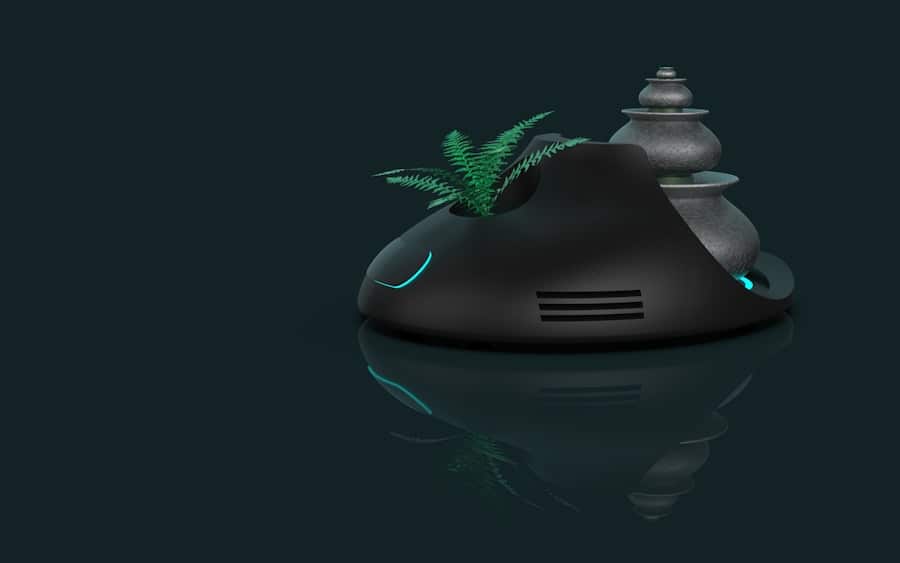
When it comes to combating mold spores in your home, air purifiers can be an effective tool in your arsenal. Research has shown that high-quality air purifiers equipped with HEPA filters can capture up to 99.97% of particles as small as 0.3 microns, which includes most mold spores. This level of filtration is crucial for reducing the concentration of airborne mold spores and improving overall indoor air quality.
However, it’s important to note that while air purifiers can significantly reduce the number of mold spores in the air, they are not a standalone solution for mold problems. You should consider that air purifiers work best when used in conjunction with other mold prevention strategies. For instance, if you have a persistent moisture problem in your home, simply running an air purifier will not eliminate the source of the mold growth.
It’s essential to address any underlying issues such as leaks or high humidity levels while using an air purifier to create a comprehensive approach to mold management. By combining these efforts, you can create a healthier living environment and minimize the risk of mold-related health issues.
Types of Air Purifiers Recommended for Mold
When selecting an air purifier specifically for mold removal, there are several types you should consider. HEPA air purifiers are among the most recommended options due to their ability to capture tiny particles effectively. These devices are particularly beneficial for individuals with allergies or asthma, as they can significantly reduce airborne allergens, including mold spores.
Look for models that have been certified by organizations like the Asthma and Allergy Foundation of America (AAFA) for added assurance. In addition to HEPA filters, you might also want to explore air purifiers that incorporate activated carbon filters or UV light technology. Activated carbon filters are excellent for absorbing odors and VOCs that may accompany mold growth.
Meanwhile, UV light technology can help kill mold spores and bacteria present in the air. Some advanced models combine all these features into one unit, providing comprehensive protection against various airborne contaminants. By understanding the different types of air purifiers available, you can choose one that best meets your specific needs.
Additional Steps to Prevent Mold Growth
While using an air purifier is an effective way to manage mold spores in your home, it’s equally important to take additional steps to prevent mold growth altogether. One of the most critical factors in preventing mold is controlling humidity levels within your living space. Ideally, indoor humidity should be kept between 30% and 50%.
You can achieve this by using dehumidifiers in damp areas like basements or bathrooms and ensuring proper ventilation throughout your home. Regular cleaning and maintenance also play a vital role in preventing mold growth. You should routinely check for leaks in plumbing fixtures and roofs and promptly address any water damage you discover.
Additionally, consider using mold-resistant products when renovating or building your home. These proactive measures will not only help keep mold at bay but also enhance your overall indoor environment.
Maintenance and Care of Air Purifiers for Mold
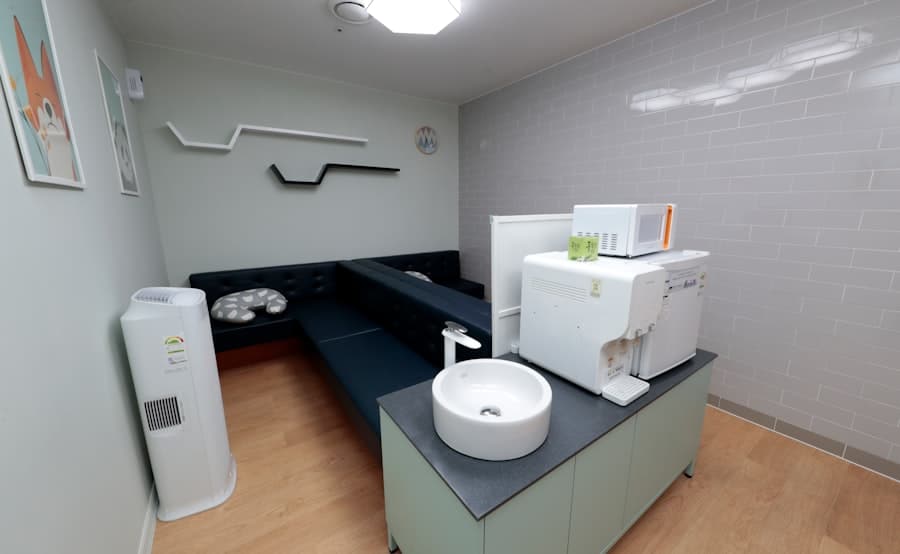
To ensure that your air purifier remains effective in combating mold spores, regular maintenance is essential. You should follow the manufacturer’s guidelines for filter replacement and cleaning schedules to keep your device functioning optimally. Most HEPA filters need to be replaced every 6 to 12 months, depending on usage and environmental conditions.
Neglecting this maintenance can lead to reduced efficiency and may even allow contaminants to recirculate back into your living space. In addition to changing filters regularly, you should also clean the exterior of your air purifier and any pre-filters according to the manufacturer’s instructions. Dust and debris can accumulate on the unit over time, hindering its performance.
By taking these simple steps to maintain your air purifier, you can ensure that it continues to effectively reduce airborne mold spores and improve your indoor air quality.
Signs That an Air Purifier is Helping with Mold
As you incorporate an air purifier into your home for mold management, you may wonder how to determine if it’s making a difference. One of the most noticeable signs is an improvement in your overall health and well-being. If you find that allergy symptoms such as sneezing or coughing have decreased since using the purifier, it’s a strong indication that it’s effectively removing airborne contaminants.
Another sign that your air purifier is working is a reduction in musty odors commonly associated with mold growth. If you notice that your living space smells fresher and cleaner after running the device for a while, it’s likely that the purifier is successfully filtering out mold spores and other pollutants from the air. Additionally, you might consider using an indoor air quality monitor to track changes in particulate levels over time; a decrease in airborne particles can further confirm the effectiveness of your air purifier.
The Role of Air Purifiers in Managing Mold Issues
In conclusion, air purifiers play a significant role in managing mold issues within your home by improving indoor air quality and reducing airborne contaminants like mold spores. While they are not a cure-all solution for existing mold problems, they can be an invaluable part of a comprehensive approach to maintaining a healthy living environment. By understanding how these devices work and selecting the right type for your needs, you can effectively mitigate the risks associated with mold exposure.
However, it’s essential to remember that prevention is key when it comes to managing mold growth. By addressing moisture issues and maintaining proper humidity levels alongside using an air purifier, you can create a safer space for yourself and your loved ones. With diligence and proactive measures, you can significantly reduce the impact of mold on your health and well-being while enjoying cleaner indoor air.
If you are looking for ways to improve the air quality in your home and combat mold, you may want to consider investing in an air purifier. According to a comprehensive review of the Hiseeu Wireless Security Camera System, having an air purifier can help remove mold spores from the air, reducing the risk of mold growth in your home. By using an air purifier in conjunction with other preventative measures, such as controlling humidity levels and fixing leaks, you can create a healthier living environment for you and your family.
FAQs
What is an air purifier?
An air purifier is a device that helps to remove contaminants from the air, such as dust, pollen, pet dander, and mold spores. It works by drawing air into the unit and passing it through a series of filters to capture and remove particles.
Can an air purifier help with mold?
Yes, an air purifier can help with mold by capturing and removing mold spores from the air. However, it is important to note that an air purifier alone may not completely eliminate a mold problem, and it should be used in conjunction with other mold remediation methods.
What type of air purifier is best for mold?
The best type of air purifier for mold is one that contains a HEPA filter, as these filters are designed to capture small particles such as mold spores. Additionally, an air purifier with a carbon filter can help to remove mold odors from the air.
Are there any limitations to using an air purifier for mold?
While an air purifier can help to reduce mold spores in the air, it may not be effective at removing mold that is already present on surfaces. In cases of extensive mold growth, it is important to address the root cause of the mold and consider professional mold remediation.
How can I maximize the effectiveness of an air purifier for mold?
To maximize the effectiveness of an air purifier for mold, it is important to use the air purifier in conjunction with other mold prevention and remediation methods, such as controlling humidity levels, fixing leaks and water damage, and regularly cleaning and maintaining the air purifier filters.