Using an ergonomic standing desk can significantly enhance your work experience, offering a multitude of benefits that go beyond mere aesthetics. One of the most notable advantages is the potential for improved posture. When you stand while working, you are less likely to slouch or hunch over your keyboard, which can lead to chronic back and neck pain.
By maintaining a more natural alignment of your spine, you can reduce the strain on your muscles and joints, ultimately leading to greater comfort throughout your workday. In addition to promoting better posture, standing desks can also boost your energy levels and productivity. Many users report feeling more alert and focused when they are standing rather than sitting for prolonged periods.
This increased energy can translate into enhanced creativity and efficiency, allowing you to tackle tasks with renewed vigor. Furthermore, standing desks encourage movement, which can help combat the lethargy that often accompanies long hours of sitting. By incorporating standing into your daily routine, you may find that you are more engaged and motivated in your work.
Key Takeaways
- Using an ergonomic standing desk can improve posture, reduce back pain, and increase energy levels throughout the day.
- When choosing an ergonomic standing desk, consider adjustable height, stability, and additional features like keyboard trays and monitor arms.
- An ergonomic chair is essential for standing desk users to provide support and comfort during periods of sitting.
- Set up your ergonomic standing desk and chair at the correct height and distance to promote good posture and reduce strain on the body.
- Avoid common mistakes such as standing for too long without breaks, using improper footwear, and neglecting to adjust desk and chair settings for optimal ergonomics.
How to Choose the Right Ergonomic Standing Desk for Your Needs
Height Adjustment Feature
A desk that allows for easy height adjustments will enable you to switch between sitting and standing positions seamlessly. Look for models with electric or pneumatic lift mechanisms, as these provide smooth transitions and can accommodate various user heights.
Sturdy Construction and Size
Ensure that the desk has a sturdy construction to support your equipment without wobbling or shaking. Additionally, evaluate your workspace and determine how much surface area you need for your computer, documents, and other essentials. A desk that is too small may lead to clutter and disorganization, while one that is excessively large could overwhelm your space.
Design and Aesthetics
Think about the design and aesthetics of the desk. Choose a style that complements your existing decor and creates an inviting atmosphere conducive to productivity.
The Importance of an Ergonomic Chair for Standing Desk Users
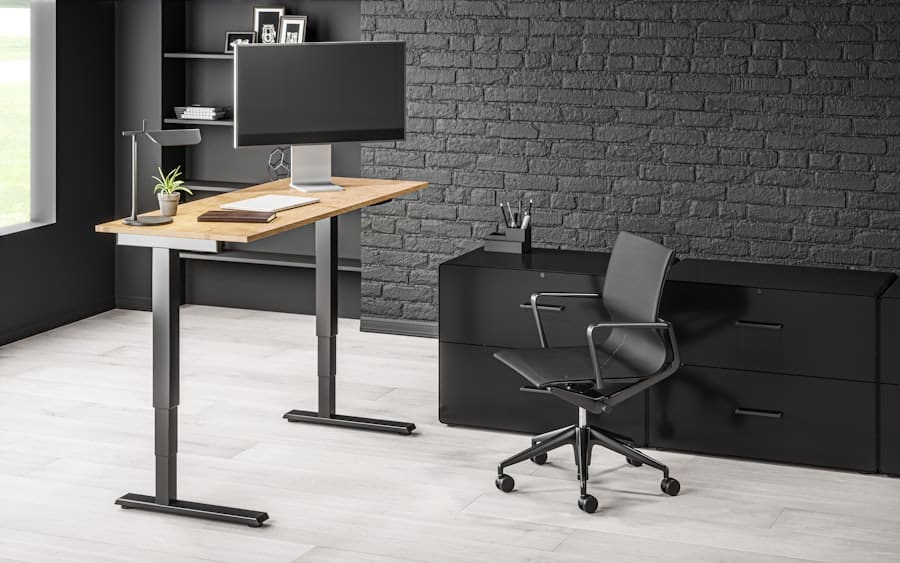
While standing desks offer numerous advantages, it is essential not to overlook the importance of an ergonomic chair, especially for those who alternate between sitting and standing. An ergonomic chair provides necessary support when you do choose to sit, helping to maintain proper posture and reduce discomfort. Look for chairs with adjustable features such as seat height, lumbar support, and armrests to ensure a customized fit that meets your specific needs.
Moreover, having a quality ergonomic chair can encourage you to take breaks from standing, which is vital for preventing fatigue. Prolonged standing can lead to discomfort in your legs and feet, making it essential to have a comfortable seating option readily available. By investing in a good chair, you create a balanced work environment that allows you to switch positions throughout the day, promoting overall well-being and productivity.
Tips for Setting Up Your Ergonomic Standing Desk and Chair
Setting up your ergonomic standing desk and chair correctly is key to reaping their benefits. Start by adjusting the height of your desk so that your elbows are at a 90-degree angle when typing. Your wrists should remain straight, and your hands should hover comfortably above the keyboard.
If you find yourself reaching up or down to use your computer, it may be time to reassess the height settings. When it comes to your chair, ensure that it is positioned at a height that allows your feet to rest flat on the ground or on a footrest. Your knees should be at a 90-degree angle as well.
Additionally, consider the distance between your eyes and the computer screen; ideally, the top of the screen should be at or just below eye level to prevent neck strain. Taking the time to fine-tune these settings will create a more comfortable workspace that supports your health and productivity.
Common Mistakes to Avoid When Using an Ergonomic Standing Desk and Chair
Even with the best intentions, it’s easy to make mistakes when using an ergonomic standing desk and chair. One common error is failing to alternate between sitting and standing frequently enough. Many users become so enthusiastic about their new standing desk that they forget to take breaks from standing, leading to fatigue and discomfort in their legs and feet.
It’s essential to establish a routine that includes regular transitions between positions to maintain energy levels throughout the day. Another mistake is neglecting proper footwear when using a standing desk. Wearing unsupportive shoes can lead to foot pain and discomfort over time.
Opt for shoes with good arch support and cushioning to help alleviate pressure on your feet while standing. Additionally, consider using an anti-fatigue mat to provide extra cushioning and support during long periods of standing.
How to Incorporate Movement and Stretching into Your Standing Desk Routine

Take Regular Breaks
Set reminders throughout the day to take short breaks for stretching or light exercises.
Simple Stretches for Relief
Simple stretches such as neck rolls, shoulder shrugs, and wrist stretches can help alleviate tension built up from prolonged periods of standing or typing.
Mini Workouts at Your Desk
You might also consider integrating mini workouts into your day. Simple exercises like calf raises or squats can be performed while at your desk without requiring much space or time. These movements not only promote circulation but also help break up long stretches of inactivity, keeping you energized and focused on your tasks.
Ergonomic Standing Desk and Chair Accessories to Enhance Your Workspace
To further enhance your ergonomic workspace, consider investing in accessories designed specifically for standing desks and chairs. A monitor stand can help elevate your screen to eye level, reducing neck strain while ensuring proper alignment. Additionally, a keyboard tray can promote better wrist positioning by allowing you to adjust the height of your keyboard independently from your monitor.
Another useful accessory is a footrest or balance board. These tools encourage movement while standing, allowing you to shift your weight from one foot to another or engage in gentle rocking motions. This not only helps improve circulation but also keeps your muscles active throughout the day.
The Future of Ergonomic Workstations: Innovations and Trends
As workplace ergonomics continue to evolve, new innovations are emerging that promise to enhance user experience even further. One trend gaining traction is the integration of smart technology into ergonomic workstations. Desks equipped with sensors can track your sitting and standing habits, providing reminders when it’s time to switch positions or take breaks.
This data-driven approach encourages healthier work habits while allowing users to monitor their progress over time. Additionally, there is a growing emphasis on customizable workspaces that cater to individual preferences. Future ergonomic solutions may include modular furniture that adapts easily to different tasks or personal styles, allowing users to create their ideal work environment.
As awareness of workplace health continues to rise, we can expect even more innovative solutions designed to promote comfort, productivity, and overall well-being in our workspaces. In conclusion, embracing an ergonomic standing desk paired with an appropriate chair can transform your work experience for the better. By understanding how to choose the right products, setting them up correctly, avoiding common pitfalls, incorporating movement into your routine, utilizing accessories effectively, and staying informed about future trends, you can create a workspace that not only enhances productivity but also prioritizes your health and comfort in the long run.
If you are interested in improving your overall health and wellness at work, you may want to consider investing in an Ergonomic Standing Desk and Chair. These products can help reduce the negative effects of sitting for long periods of time and promote better posture and circulation. For more information on how to create a healthier workspace, check out this review of the Weluvfit Pilates Bar Kit. This article discusses the benefits of incorporating Pilates exercises into your daily routine to improve strength, flexibility, and balance.
FAQs
What is an ergonomic standing desk and chair?
An ergonomic standing desk and chair are designed to provide a comfortable and healthy working environment by allowing users to alternate between sitting and standing positions while working.
What are the benefits of using an ergonomic standing desk and chair?
Using an ergonomic standing desk and chair can help improve posture, reduce the risk of musculoskeletal disorders, increase energy levels, and promote better circulation.
How do ergonomic standing desks and chairs work?
Ergonomic standing desks and chairs are adjustable to accommodate different heights and preferences. They allow users to easily transition between sitting and standing positions, promoting movement and reducing the strain on the body.
Are ergonomic standing desks and chairs suitable for everyone?
Ergonomic standing desks and chairs are suitable for most people, but individuals with certain health conditions or physical limitations should consult with a healthcare professional before using them.
Can ergonomic standing desks and chairs be customized?
Yes, many ergonomic standing desks and chairs offer customization options such as adjustable height, tilt, and support features to accommodate individual preferences and needs.