Transitioning to an ergonomic standing desk computer workstation can significantly enhance your work experience. One of the most notable benefits is the reduction in discomfort and pain associated with prolonged sitting. Many individuals suffer from back pain, neck strain, and other musculoskeletal issues due to hours spent hunched over a traditional desk.
By elevating your workstation, you can promote better posture and alleviate some of the physical stress that comes with sedentary work. This shift not only helps in reducing pain but also encourages a more active lifestyle, as standing naturally engages your muscles and promotes circulation. Moreover, using a standing desk can lead to increased energy levels and improved focus throughout your workday.
When you stand, your body is more alert, which can enhance cognitive function and productivity. You may find that you are more engaged in your tasks and less prone to the afternoon slump that often accompanies long periods of sitting. Additionally, standing desks can contribute to weight management; studies suggest that standing burns more calories than sitting, which can be a motivating factor for those looking to maintain or lose weight while working.
Key Takeaways
- Using an ergonomic standing desk computer workstation can improve posture, reduce back and neck pain, and increase energy levels throughout the day.
- To set up your ergonomic standing desk computer workstation, adjust the desk and monitor height to ensure proper alignment with your body, and use an anti-fatigue mat to reduce pressure on your feet.
- Maintain proper posture while using a standing desk by keeping your feet flat on the floor, standing with your weight evenly distributed, and adjusting the desk height to keep your arms at a 90-degree angle.
- Ergonomic accessories such as a monitor arm, keyboard tray, and footrest can enhance the comfort and functionality of your standing desk computer workstation.
- Common mistakes to avoid when using a standing desk include standing for too long without breaks, slouching or leaning on the desk, and wearing improper footwear.
- Incorporate movement into your workday with a standing desk by taking regular breaks to stretch, walk, or perform light exercises to improve circulation and reduce muscle fatigue.
- Using a standing desk can positively impact productivity and health by reducing sedentary behavior, increasing energy levels, and promoting better posture and circulation.
- When choosing the right standing desk for your workspace, consider factors such as desk height adjustability, surface area, and additional features like cable management and storage options.
How to Set Up Your Ergonomic Standing Desk Computer Workstation
Adjusting Desk Height and Posture
First, you should adjust the height of your desk so that your elbows are at a 90-degree angle when typing. Your wrists should remain straight, and your hands should float comfortably above the keyboard. This alignment helps prevent strain on your wrists and forearms, which is crucial for long-term comfort.
Monitor Placement and Workspace Arrangement
Additionally, the top of your monitor should be at or just below eye level, allowing you to maintain a neutral neck position while working. Keep frequently used items within easy reach to minimize unnecessary stretching or twisting. This includes your mouse, documents, and any other tools you regularly use.
Additional Tips for Comfort and Efficiency
Consider using a footrest to shift your weight from one leg to another, which can help reduce fatigue during long periods of standing. Finally, ensure that your workspace is well-lit to prevent eye strain; natural light is ideal, but if that’s not possible, invest in good quality task lighting.
Tips for Maintaining Proper Posture While Using a Standing Desk
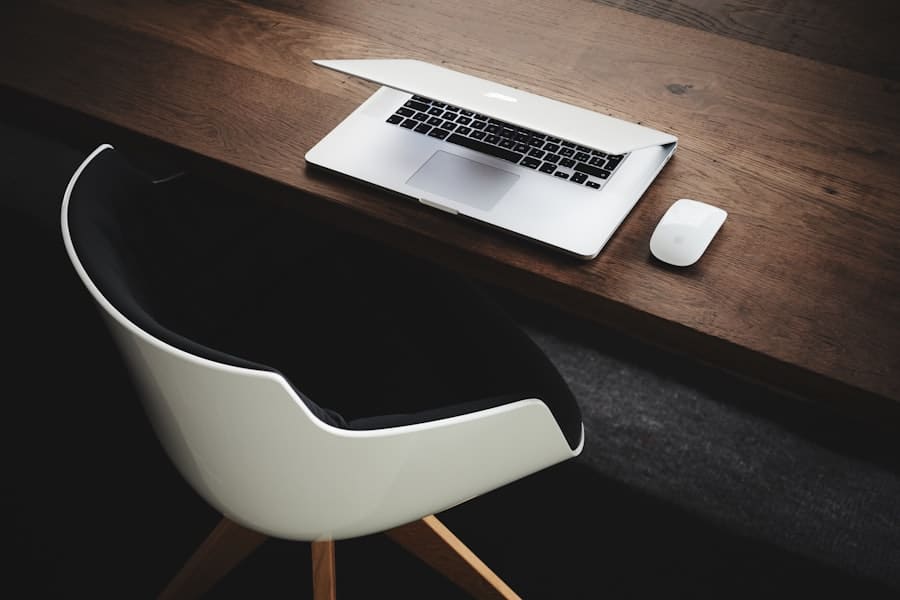
Maintaining proper posture while using a standing desk is essential for preventing discomfort and promoting overall health. Start by distributing your weight evenly between both feet; this will help reduce strain on your lower back and legs. You might find it helpful to shift your weight from one foot to the other periodically or use a footrest to alternate positions.
Engaging your core muscles can also provide additional support for your spine, helping you maintain an upright posture throughout the day. Be mindful of your upper body as well. Keep your shoulders relaxed and avoid hunching forward; this can lead to tension in your neck and shoulders over time.
Your head should be aligned with your spine, so resist the urge to lean forward towards your screen. If you find yourself straining to see the monitor, consider adjusting its height or distance rather than compromising your posture. Regularly checking in with yourself about your posture can help you develop better habits over time.
Ergonomic Accessories for Your Standing Desk Computer Workstation
To enhance the functionality and comfort of your standing desk computer workstation, consider investing in ergonomic accessories designed specifically for this purpose. One popular accessory is an anti-fatigue mat, which provides cushioning underfoot and helps reduce discomfort associated with prolonged standing. These mats encourage subtle movements in your feet and legs, promoting circulation and reducing fatigue.
Another useful accessory is a monitor stand or arm, which allows you to adjust the height and angle of your screen easily. This ensures that you maintain proper eye level while working, reducing strain on your neck and eyes. Additionally, a keyboard tray can help position your keyboard at the optimal height for typing, further promoting good posture.
Other accessories like cable management solutions can help keep your workspace organized and clutter-free, contributing to a more efficient work environment.
Common Mistakes to Avoid When Using a Standing Desk
While standing desks offer numerous benefits, there are common mistakes that many users make that can negate these advantages. One frequent error is standing for too long without taking breaks. It’s essential to alternate between sitting and standing throughout the day to prevent fatigue and discomfort.
Aim for a balance that works for you; some people find success with a 30-minute standing interval followed by a 15-minute sitting break. Another mistake is neglecting proper footwear. Wearing unsupportive shoes can lead to foot pain and discomfort when standing for extended periods.
Opt for comfortable shoes with good arch support to help alleviate pressure on your feet and legs. Additionally, be cautious about how you position your body while working; slouching or leaning too far forward can lead to poor posture and associated pain over time.
Incorporating Movement into Your Workday with a Standing Desk

Incorporating movement into your workday is crucial for maximizing the benefits of a standing desk computer workstation. Simple strategies can make a significant difference in how you feel throughout the day. For instance, consider setting a timer to remind yourself to take short breaks every hour.
During these breaks, stand up, stretch, or take a brief walk around your workspace. This not only helps alleviate stiffness but also boosts circulation and energy levels. You might also explore incorporating light exercises into your routine while at your desk.
Simple movements like calf raises or gentle stretches can be done discreetly without disrupting your workflow. If possible, consider using a walking pad or treadmill desk for part of the day; this allows you to stay active while still being productive. By making movement a priority in your workday, you’ll enhance both your physical health and mental clarity.
The Impact of Using a Standing Desk on Productivity and Health
The impact of using a standing desk on productivity and health has been widely studied, with many findings suggesting positive outcomes for both areas. Users often report increased energy levels and improved focus when working at a standing desk compared to traditional sitting arrangements. This heightened alertness can lead to enhanced productivity as you tackle tasks with greater efficiency and creativity.
From a health perspective, standing desks have been linked to reduced risks of obesity, cardiovascular disease, and other chronic conditions associated with sedentary lifestyles. By encouraging more movement throughout the day, standing desks can contribute to better overall health outcomes. However, it’s essential to remember that simply switching to a standing desk isn’t a cure-all; it should be part of a broader approach that includes regular exercise and healthy lifestyle choices.
Choosing the Right Standing Desk for Your Workspace
When it comes to choosing the right standing desk for your workspace, several factors should guide your decision-making process. First, consider the size of your workspace; ensure that the desk fits comfortably without overcrowding the area. Look for desks that offer adjustable height settings so you can customize them according to your needs—this flexibility is crucial for accommodating both sitting and standing positions.
Additionally, think about the materials and design of the desk. A sturdy construction is essential for stability when standing, while aesthetically pleasing designs can enhance the overall look of your workspace. Some desks come with built-in storage options or cable management features that can help keep your area organized and functional.
Ultimately, selecting a desk that meets both your practical needs and personal style will contribute significantly to creating an effective ergonomic workstation. In conclusion, transitioning to an ergonomic standing desk computer workstation offers numerous benefits that can enhance both productivity and health. By understanding how to set up your workspace correctly, maintaining proper posture, avoiding common mistakes, incorporating movement into your day, and choosing the right desk for your needs, you can create an environment that supports both comfort and efficiency in your work life.
If you are looking to create a more comfortable and efficient workspace with an Ergonomic Standing Desk Computer Workstation, you may also be interested in improving the air quality in your office. Check out this HEPA Fresheners Filter Small Room Cleaner Review to learn more about how you can breathe easier while you work.
FAQs
What is an ergonomic standing desk computer workstation?
An ergonomic standing desk computer workstation is a desk setup designed to promote better posture and reduce the negative effects of prolonged sitting. It allows users to work while standing, which can help alleviate back and neck pain associated with sitting for long periods.
What are the benefits of using an ergonomic standing desk computer workstation?
Some of the benefits of using an ergonomic standing desk computer workstation include improved posture, reduced risk of musculoskeletal disorders, increased energy and productivity, and potential weight management benefits.
How does an ergonomic standing desk computer workstation work?
An ergonomic standing desk computer workstation typically features an adjustable height desk that allows users to easily switch between sitting and standing positions. It also often includes features such as monitor mounts, keyboard trays, and cable management systems to optimize the ergonomic setup.
Are there any potential drawbacks to using an ergonomic standing desk computer workstation?
While standing desks can offer numerous benefits, some users may experience discomfort or fatigue from standing for extended periods. It’s important to gradually increase standing time and incorporate regular breaks and posture adjustments to minimize any potential drawbacks.
Are ergonomic standing desk computer workstations suitable for everyone?
Ergonomic standing desk computer workstations can be suitable for many individuals, but it’s important to consider individual needs and preferences. Some people may have medical conditions or physical limitations that make standing for long periods difficult or uncomfortable. It’s always best to consult with a healthcare professional before making significant changes to your workstation setup.