
When it comes to selecting the perfect fishing kayak, you must consider several factors that will enhance your overall experience on the water. First and foremost, think about the type of water you plan to fish in. Are you aiming for calm lakes, swift rivers, or coastal waters?
Each environment demands a different kayak design. For instance, if you’re fishing in open waters, a longer kayak with a sleek hull will provide better tracking and speed. Conversely, if you’re navigating through narrow rivers or tight spaces, a shorter, more maneuverable kayak will serve you better.
Another critical aspect to consider is the kayak’s stability. Stability is paramount when you’re casting lines and reeling in fish. A wider hull generally offers more stability, allowing you to stand up and fish comfortably.
However, this can sometimes come at the cost of speed and tracking. You’ll also want to think about the weight capacity of the kayak. Ensure it can accommodate not only your weight but also your gear and any fish you might catch.
By carefully evaluating these factors, you can choose a kayak that aligns with your fishing style and preferences.
Key Takeaways
- When choosing a fishing kayak, consider factors such as stability, storage, and maneuverability to find the right fit for your needs.
- Essential gear and accessories for fishing kayaks include a comfortable seat, paddle, fishing rod holders, and a waterproof storage solution for valuables.
- Tips for fishing from a kayak include casting parallel to the kayak, using a drift chute to control speed, and staying aware of your surroundings to avoid obstacles.
- Safety precautions for kayak fishing include wearing a personal flotation device, checking weather conditions, and informing someone of your fishing plans and location.
- The best locations for kayak fishing include calm and shallow waters, such as lakes, ponds, and slow-moving rivers, where fish are abundant and easily accessible.
- Maintaining and storing your fishing kayak involves rinsing it with fresh water after each use, storing it in a shaded area, and periodically checking for any signs of wear or damage.
- Advantages of fishing from a kayak include the ability to access remote fishing spots, the quiet and stealthy approach to fish, and the physical and mental health benefits of being on the water.
- Environmental considerations for kayak fishing include practicing catch and release, properly disposing of fishing line and other waste, and respecting wildlife and their habitats.
Essential Gear and Accessories for Fishing Kayaks
Equipping your fishing kayak with the right gear and accessories can significantly enhance your fishing experience. Start with a quality paddle; it’s your primary means of propulsion, so investing in a lightweight and durable paddle will make your time on the water much more enjoyable. Additionally, consider a paddle leash to prevent losing your paddle if it slips from your hands while you’re busy reeling in a catch.
Next, think about storage solutions. A well-organized kayak can make all the difference when you’re out fishing. Look for kayaks with built-in storage compartments or consider adding dry bags for your gear.
A tackle box or fishing crate can help keep your lures, bait, and tools organized and easily accessible. Don’t forget about safety gear; a personal flotation device (PFD) is essential, as are items like a first aid kit and a whistle for emergencies. By ensuring you have the right gear and accessories, you’ll be well-prepared for a successful day on the water.
Tips for Fishing from a Kayak
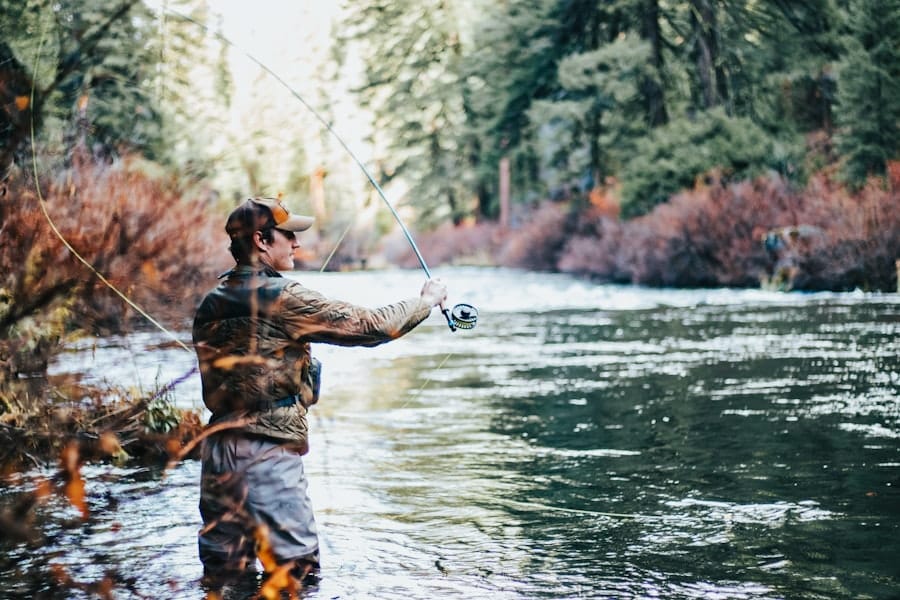
Fishing from a kayak presents unique challenges and opportunities that differ from traditional boat fishing. One of the most important tips is to maintain a low center of gravity. This means keeping your body low in the kayak while casting and reeling in fish.
It not only enhances your stability but also allows for better balance when dealing with larger catches. Additionally, practice your casting technique while seated; this will help you become more adept at making accurate casts without compromising your stability. Another valuable tip is to be mindful of your surroundings.
Pay attention to the wind direction and current, as they can significantly affect your fishing success. Positioning yourself against the current can help you maintain control while casting into prime fishing spots. Moreover, consider using a drift sock or anchor to stabilize your kayak in windy conditions or when you want to stay in one spot while fishing.
By honing these skills and being aware of your environment, you can maximize your chances of landing that trophy fish.
Safety Precautions for Kayak Fishing
Safety should always be your top priority when engaging in kayak fishing. Before heading out, ensure that you have all necessary safety equipment on board. A properly fitted personal flotation device (PFD) is non-negotiable; it should be worn at all times while on the water.
Additionally, familiarize yourself with local regulations regarding safety gear requirements, as they can vary by location. Weather conditions can change rapidly, especially on open water. Always check the forecast before embarking on your fishing trip and be prepared for sudden changes.
Carrying a waterproof bag with essential items like a phone or GPS device can be invaluable in case of emergencies. It’s also wise to let someone know your plans, including where you’ll be fishing and when you expect to return. By taking these precautions seriously, you can enjoy your time on the water while minimizing risks.
Best Locations for Kayak Fishing
Finding the best locations for kayak fishing can greatly enhance your experience and increase your chances of landing a big catch. Lakes and ponds are often ideal spots for beginners due to their calm waters and abundant fish populations. Look for areas with structures like submerged rocks or fallen trees, as these often attract fish seeking shelter.
If you’re feeling adventurous, consider exploring coastal waters or estuaries where saltwater species thrive. These environments offer diverse fishing opportunities but require more skill and knowledge of tides and currents. Additionally, rivers can provide excellent fishing spots; just be sure to choose sections that are safe for kayaking and have manageable currents.
By exploring various locations and understanding their unique characteristics, you can discover some hidden gems that will make your kayak fishing trips truly memorable.
Maintaining and Storing Your Fishing Kayak
Proper maintenance and storage of your fishing kayak are essential for prolonging its lifespan and ensuring optimal performance. After each use, rinse your kayak with fresh water to remove any salt or debris that may have accumulated during your outing. Pay special attention to the hull and any storage compartments to prevent mold or mildew from developing.
When it comes to storage, keep your kayak in a cool, dry place away from direct sunlight to prevent UV damage. If possible, store it upside down or on its side to avoid warping. Regularly inspect your kayak for any signs of wear or damage, such as cracks or leaks, and address these issues promptly to avoid further complications down the line.
By taking these steps, you’ll ensure that your kayak remains in excellent condition for many fishing adventures to come.
Advantages of Fishing from a Kayak
Fishing from a kayak offers numerous advantages that make it an appealing choice for anglers of all skill levels. One of the most significant benefits is accessibility; kayaks can navigate shallow waters and reach areas that larger boats cannot access. This opens up a world of fishing opportunities in secluded spots where fish are often less pressured by other anglers.
Additionally, kayaking provides a unique connection to nature that enhances the overall fishing experience. The quietness of paddling allows you to immerse yourself in the surroundings, observe wildlife, and enjoy the tranquility of being on the water. Furthermore, kayaks are generally more affordable than motorized boats, making them an economical option for those looking to explore fishing without breaking the bank.
With these advantages in mind, it’s easy to see why many anglers are turning to kayaks as their preferred method of fishing.
Environmental Considerations for Kayak Fishing
As an angler who enjoys kayak fishing, it’s crucial to be mindful of environmental considerations to preserve our waterways for future generations. One of the most important practices is adhering to local regulations regarding catch limits and protected species. By following these guidelines, you contribute to sustainable fishing practices that help maintain healthy fish populations.
Additionally, be conscious of your impact on the environment while on the water. Avoid disturbing wildlife habitats and refrain from littering; always pack out what you bring in. Consider using eco-friendly products such as biodegradable bait or tackle made from sustainable materials whenever possible.
By adopting these environmentally friendly practices, you not only enhance your own fishing experience but also play a vital role in protecting our natural resources for years to come.
By choosing the right kayak, equipping yourself with essential gear, practicing safety precautions, and being mindful of environmental considerations, you can create memorable experiences on the water that will last a lifetime.
Whether you’re casting lines in tranquil lakes or navigating coastal waters, each outing offers new adventures waiting to unfold.
If you’re looking to enhance your outdoor adventures beyond just fishing, consider investing in a Jackery Solar Generator 2000 Pro. This portable power station will keep your electronics charged while you’re out on the water in your fishing kayak. With the Eartec UL413 headset, you can easily communicate with your fishing buddies or listen to music while you reel in your catch.
Check out these products to take your fishing kayak experience to the next level. Read more here.
FAQs
What is a fishing kayak?
A fishing kayak is a specialized type of kayak designed for anglers to fish from. It typically includes features such as rod holders, storage compartments, and stability for casting and reeling in fish.
What are the advantages of using a fishing kayak?
Fishing kayaks offer several advantages, including their ability to access remote fishing spots, their maneuverability in shallow waters, and their affordability compared to larger fishing boats.
What features should I look for in a fishing kayak?
When choosing a fishing kayak, look for features such as rod holders, storage compartments for tackle and gear, comfortable seating, stability for casting, and the ability to mount accessories such as fish finders.
What are the different types of fishing kayaks?
There are several types of fishing kayaks, including sit-on-top kayaks, sit-inside kayaks, pedal-driven kayaks, and inflatable kayaks. Each type has its own advantages and considerations for fishing.
How do I choose the right fishing kayak for my needs?
Consider factors such as the type of water you’ll be fishing in, the amount of gear you’ll need to carry, and your preferred method of propulsion (paddling or pedaling) when choosing a fishing kayak. It’s also important to consider your budget and storage options for the kayak.