Mold is a common issue that can affect the air quality in your home, and understanding its causes is the first step toward prevention. Mold spores are naturally present in the environment, and they thrive in damp, warm conditions. When humidity levels rise, whether due to weather changes or indoor activities like cooking and showering, these spores can settle on surfaces and begin to grow.
You may not even realize that mold is forming until it becomes a significant problem, as it often goes unnoticed until it starts to affect your health or the integrity of your home. Another contributing factor to mold growth is poor ventilation. When air circulation is limited, moisture can accumulate in certain areas, creating an ideal breeding ground for mold.
This is particularly true in spaces like bathrooms, kitchens, and basements, where humidity levels tend to be higher. By understanding these causes, you can take proactive measures to reduce the likelihood of mold growth in your home. Awareness of how mold spores travel through the air and settle on surfaces will empower you to create a healthier living environment.
Key Takeaways
- Mold in the air is caused by excess moisture and poor ventilation in the home.
- Problem areas for mold in the home include bathrooms, kitchens, basements, and areas with water leaks.
- Proper ventilation and air circulation can help prevent mold growth by reducing moisture levels.
- Dehumidifiers are effective in controlling moisture levels and preventing mold growth in the home.
- Regular cleaning and disinfecting of surfaces can help remove mold spores and prevent their spread in the home.
Identifying Problem Areas in Your Home
Identifying High-Risk Areas
Start by inspecting spaces that are frequently exposed to moisture, such as bathrooms and kitchens. Look for signs of water damage, such as discoloration on walls or ceilings, peeling paint, or a musty odor.
Common Breeding Grounds
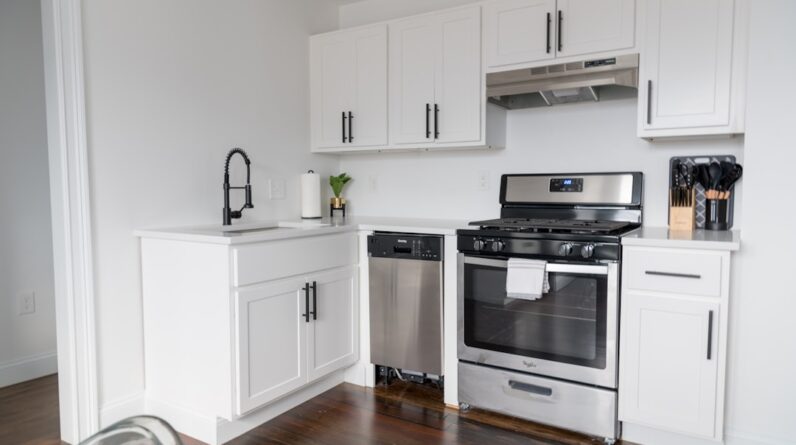
Pay close attention to corners, behind appliances, and under sinks, as these areas often trap moisture and can be breeding grounds for mold. Additionally, consider your home’s overall layout and construction.
Vulnerable Areas and Prevention
If you have a basement or crawl space, these areas are particularly vulnerable to mold due to their tendency to retain moisture. Check for leaks in plumbing or roofing that could contribute to dampness. By identifying these problem areas early on, you can take steps to mitigate moisture and prevent mold from becoming a more significant issue. Regular inspections will help you stay ahead of potential mold growth and maintain a healthier indoor environment.
Implementing Proper Ventilation and Air Circulation

Once you’ve identified problem areas in your home, the next step is to implement proper ventilation and air circulation. Good airflow is essential for reducing humidity levels and preventing mold growth. You can start by opening windows whenever possible to allow fresh air to circulate throughout your home.
This simple act can significantly lower indoor humidity levels, especially during warmer months when outdoor air is less humid. In addition to natural ventilation, consider using exhaust fans in high-moisture areas like bathrooms and kitchens. These fans help remove excess moisture from the air, reducing the likelihood of mold growth.
If your home lacks adequate ventilation systems, you might want to invest in mechanical ventilation solutions such as whole-house fans or energy recovery ventilators. These systems can help maintain consistent airflow throughout your home, ensuring that moisture does not accumulate in any one area.
Using Dehumidifiers to Control Moisture Levels
Dehumidifiers are an effective tool for controlling moisture levels in your home and preventing mold growth. These devices work by extracting excess moisture from the air, making it less conducive for mold spores to thrive. If you live in a particularly humid climate or have areas of your home that tend to retain moisture, investing in a dehumidifier can be a game-changer.
Place dehumidifiers in basements, laundry rooms, or any other areas prone to dampness. When using a dehumidifier, it’s essential to monitor humidity levels regularly. Ideally, indoor humidity should be kept between 30% and 50%.
You can use a hygrometer to measure humidity levels accurately. If you notice that humidity levels are consistently above this range, adjust the settings on your dehumidifier accordingly. Regular maintenance of the device is also crucial; empty the water reservoir frequently and clean the filters to ensure optimal performance.
Cleaning and Disinfecting Surfaces to Remove Mold Spores
Cleaning and disinfecting surfaces is a vital step in removing existing mold spores and preventing future growth. Start by using a mixture of water and detergent to scrub surfaces where mold may be present. Pay special attention to areas that are frequently exposed to moisture, such as bathroom tiles and kitchen countertops.
After cleaning, use a disinfectant solution specifically designed for mold removal to ensure that any remaining spores are eliminated. It’s important to wear protective gear while cleaning mold-infested areas. Use gloves, goggles, and a mask to protect yourself from inhaling spores or coming into contact with cleaning solutions.
Additionally, ensure that the area is well-ventilated during the cleaning process to minimize exposure to harmful fumes. Regularly cleaning surfaces not only helps remove existing mold but also serves as a preventive measure against future infestations.
Utilizing Air Purifiers to Filter Mold Spores

Air purifiers can be an excellent addition to your home if you’re concerned about mold spores circulating in the air. These devices work by filtering out airborne particles, including mold spores, dust, and allergens. When choosing an air purifier, look for one equipped with a HEPA filter, as these filters are designed to capture even the smallest particles effectively.
Place air purifiers in rooms where you spend the most time, such as bedrooms and living areas. Running them continuously can help maintain better air quality by reducing the concentration of mold spores in the air. Additionally, consider using air purifiers with activated carbon filters, which can help eliminate odors associated with mold growth.
By incorporating air purifiers into your home environment, you can breathe easier knowing that you’re taking steps to improve indoor air quality.
Maintaining a Clean and Tidy Home Environment
A clean and tidy home environment plays a crucial role in preventing mold growth. Regular cleaning routines should include dusting surfaces, vacuuming carpets, and mopping floors to remove dust and debris that can harbor mold spores. Pay special attention to areas where moisture tends to accumulate, such as under sinks or behind appliances.
Decluttering your home is another effective strategy for preventing mold growth. The more items you have lying around, the more places there are for dust and moisture to collect. By keeping surfaces clear and organized, you reduce the chances of creating an environment conducive to mold growth.
Establishing a regular cleaning schedule will help you stay on top of maintenance tasks and ensure that your home remains a healthy space.
Seeking Professional Help for Severe Mold Infestations
If you discover a severe mold infestation in your home, it may be time to seek professional help. While DIY methods can be effective for minor issues, extensive mold growth often requires specialized knowledge and equipment for safe removal. Professionals have access to advanced tools and techniques that can effectively eliminate mold while minimizing health risks.
When choosing a mold remediation service, look for certified professionals with experience in handling similar situations. They will conduct a thorough assessment of your home, identify the source of moisture contributing to the problem, and develop a comprehensive plan for remediation. While it may involve an investment upfront, addressing severe mold issues promptly can save you from more significant health problems and costly repairs down the line.
In conclusion, understanding the causes of mold in the air and taking proactive measures can significantly improve your home’s air quality and overall health. By identifying problem areas, implementing proper ventilation, using dehumidifiers, cleaning surfaces regularly, utilizing air purifiers, maintaining cleanliness, and seeking professional help when necessary, you can create a safe and healthy living environment free from harmful mold spores.
If you are looking for ways to improve the air quality in your home and get rid of mold, you may want to consider investing in an air purifier. One option to consider is the air purifiers for bedroom home review which can help eliminate mold spores and other allergens from the air. Another great option is the Levoit Air Purifier Core 200S which is designed to effectively clean the air in your home. Additionally, creating a clean and healthy environment in your bathroom can also help prevent mold growth. Consider installing an Empava Acrylic Whirlpool Bathtub to reduce moisture and humidity levels in your bathroom, which can help prevent mold growth.
FAQs
What causes mold in the air in your house?
Mold in the air in your house is typically caused by excess moisture and poor ventilation. This can lead to the growth of mold spores, which can then become airborne and spread throughout your home.
How does mold in the air affect health?
Exposure to mold in the air can cause a range of health issues, including respiratory problems, allergies, and asthma. Prolonged exposure to mold spores in the air can also lead to more serious health concerns.
How can you get rid of mold in the air in your house?
To get rid of mold in the air in your house, you can take steps to reduce moisture and improve ventilation. This may include using dehumidifiers, fixing leaks, and using exhaust fans in areas prone to moisture, such as bathrooms and kitchens.
What are some methods for removing mold spores from the air?
Some methods for removing mold spores from the air include using air purifiers with HEPA filters, opening windows to improve ventilation, and using exhaust fans in areas with high moisture levels. Additionally, keeping indoor humidity levels below 60% can help prevent the spread of mold spores in the air.
How can you prevent mold in the air in your house?
To prevent mold in the air in your house, it’s important to address any sources of excess moisture and improve ventilation. This may involve fixing leaks, using dehumidifiers, and ensuring proper airflow throughout your home. Regular cleaning and maintenance can also help prevent the growth and spread of mold spores in the air.