When you first notice an unpleasant odor in your home, the initial step is to identify its source. This can often be a challenging task, as smells can travel and linger, making it difficult to pinpoint their origin. You might find yourself sniffing around various rooms, trying to track down the culprit.
Start by considering common sources of odors, such as food remnants, mold, or even hidden trash. Pay close attention to areas where moisture tends to accumulate, as these are often breeding grounds for unpleasant smells. Once you have a general idea of where the smell might be coming from, it’s time to conduct a thorough investigation.
Check under furniture, behind appliances, and in closets. You may discover forgotten items that have gone bad or spills that have seeped into carpets or upholstery. If the smell persists despite your efforts, consider enlisting the help of others.
Sometimes a fresh nose can detect odors that you’ve become desensitized to over time. By systematically identifying the source of the smell, you can take the necessary steps to eliminate it effectively.
Key Takeaways
- Identify the source of the smell by thoroughly inspecting the area and determining the cause of the odor.
- Deep clean and deodorize carpets and upholstery by using specialized cleaning products and techniques to remove embedded odors.
- Eliminate odors from the kitchen by regularly cleaning and disinfecting surfaces, appliances, and trash bins.
- Get rid of musty smells in basements and attics by improving ventilation, using dehumidifiers, and removing any mold or mildew.
- Deal with pet odors by regularly grooming pets, washing their bedding, and using odor-neutralizing sprays or powders.
Deep Cleaning and Deodorizing Carpets and Upholstery
After identifying the source of the smell, your next step is to deep clean and deodorize your carpets and upholstery. These surfaces can trap odors over time, making them a significant contributor to the overall scent of your home. Begin by vacuuming thoroughly to remove any loose dirt and debris.
Pay special attention to corners and under furniture where dust tends to accumulate. A good vacuuming session can significantly reduce the amount of odor-causing particles in your living space. Once you’ve vacuumed, consider using a carpet cleaner or steam cleaner for a more profound clean.
These machines can penetrate deep into the fibers of your carpets and upholstery, lifting out dirt and odors that regular cleaning might miss. If you don’t have access to a machine, you can create a homemade cleaning solution using vinegar and water or baking soda. Sprinkle baking soda generously over carpets and upholstery, let it sit for several hours or overnight, and then vacuum it up.
This natural deodorizer can absorb unwanted smells and leave your fabrics smelling fresh.
Eliminating Odors from the Kitchen
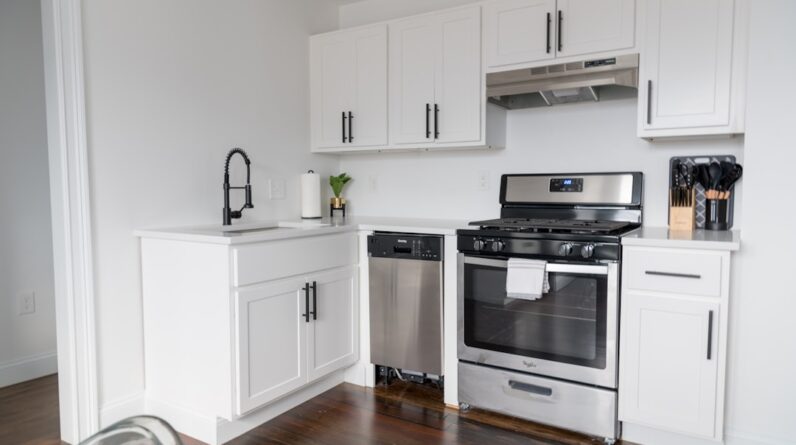
The kitchen is often a hotspot for unpleasant odors due to cooking, food storage, and waste disposal. To tackle these smells effectively, start by ensuring that your kitchen is clean and organized. Regularly check your refrigerator for expired food items and dispose of them promptly.
A clean fridge not only prevents odors but also promotes food safety. Additionally, take out the trash frequently and consider using odor-absorbing bags or containers to minimize smells from waste. Another effective method for eliminating kitchen odors is to utilize natural deodorizers.
Boiling a pot of water with lemon slices or herbs like rosemary can create a pleasant aroma that masks unwanted smells. You might also want to keep an open box of baking soda in your refrigerator and pantry to absorb odors continuously. By maintaining cleanliness and incorporating natural deodorizers into your kitchen routine, you can create a more inviting atmosphere free from unpleasant scents.
Getting Rid of Musty Smells in Basements and Attics
Basements and attics are notorious for developing musty smells due to their often damp and poorly ventilated conditions. To combat these odors, start by addressing any moisture issues in these spaces. Check for leaks or water damage that may be contributing to the mustiness.
If you find any signs of water intrusion, it’s essential to repair these issues promptly to prevent further damage and odor development. Once you’ve tackled any moisture problems, focus on cleaning the area thoroughly. Remove any items that may be harboring mold or mildew, such as old boxes or furniture.
Use a mixture of vinegar and water to wipe down surfaces and eliminate any lingering odors. Additionally, consider using a dehumidifier to reduce humidity levels in these spaces, which can help prevent musty smells from returning. By taking these proactive steps, you can transform your basement or attic into a fresher, more pleasant environment.
Dealing with Pet Odors
If you have pets, you’re likely familiar with the unique set of odors they can bring into your home. From litter boxes to wet fur, pet smells can be persistent and challenging to eliminate. To effectively deal with pet odors, start by establishing a regular cleaning routine for your pet’s areas.
This includes frequently changing litter in cat boxes and washing pet bedding regularly. Keeping these areas clean will significantly reduce odors over time. In addition to routine cleaning, consider using specialized pet odor eliminators available in stores or online.
These products are designed specifically to neutralize pet smells rather than just mask them. You might also want to explore natural options like white vinegar or baking soda, which can effectively absorb odors without harsh chemicals. By combining regular cleaning with effective odor elimination strategies, you can create a more pleasant living environment for both you and your furry friends.
Removing Odors from the Bathroom
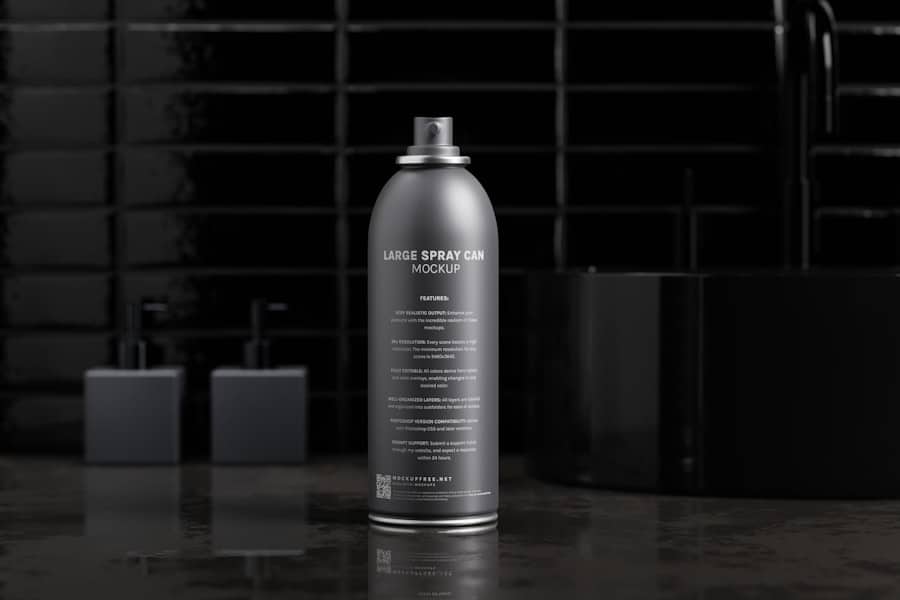
Bathrooms are another area where unpleasant odors can accumulate due to moisture and humidity. To keep your bathroom smelling fresh, start by ensuring proper ventilation. Open windows or use exhaust fans during and after showers to reduce humidity levels that contribute to musty smells.
Regularly cleaning surfaces such as sinks, toilets, and showers is also crucial in preventing odors from building up. In addition to routine cleaning, consider incorporating air fresheners or natural deodorizers into your bathroom routine. Essential oils like lavender or eucalyptus can provide a pleasant scent while also offering antibacterial properties.
You might also want to keep an open box of baking soda in your bathroom cabinet to absorb unwanted odors continuously. By maintaining cleanliness and utilizing effective deodorizers, you can create a refreshing atmosphere in your bathroom.
Using Natural Remedies to Freshen the Air
If you’re looking for ways to freshen the air in your home without relying on synthetic fragrances or chemicals, there are numerous natural remedies at your disposal. One popular option is using essential oils in a diffuser or creating homemade air fresheners with water and essential oils in a spray bottle. Scents like lemon, peppermint, and lavender not only smell delightful but also have mood-boosting properties.
Another effective method is incorporating houseplants into your decor. Certain plants are known for their air-purifying abilities and can help absorb odors while adding beauty to your space. Spider plants, peace lilies, and snake plants are excellent choices for improving indoor air quality naturally.
By embracing these natural remedies, you can create a fresher atmosphere in your home while promoting overall well-being.
Preventing Future Odors
Once you’ve successfully eliminated unpleasant odors from your home, it’s essential to implement strategies that prevent them from returning. Regular cleaning is key; establish a routine that includes vacuuming carpets, washing upholstery, and cleaning surfaces throughout your home. Additionally, consider investing in air purifiers that can help filter out dust and allergens that contribute to odors.
Another preventive measure is maintaining proper ventilation throughout your home. Open windows when weather permits to allow fresh air circulation and reduce humidity levels that can lead to musty smells. Finally, be mindful of what you bring into your home; avoid items that may harbor odors or moisture, such as damp clothing or old furniture without proper cleaning first.
By taking these proactive steps, you can enjoy a fresher-smelling home for years to come.
If you’re looking to freshen up your home and get rid of any lingering odors, you may want to consider investing in a Portable Spa Bubble Bath Massager can help create a relaxing atmosphere and mask any unpleasant scents. Pairing these products with effective odor-eliminating techniques can help ensure your home always smells clean and inviting.
FAQs
What are common causes of bad smells in the house?
Common causes of bad smells in the house include mold and mildew, pet odors, food and cooking odors, cigarette smoke, and stagnant air.
How can I get rid of bad smells in the house?
To get rid of bad smells in the house, you can try cleaning and disinfecting surfaces, using air purifiers, opening windows for ventilation, using baking soda or activated charcoal to absorb odors, and addressing the source of the smell (such as fixing leaks or removing pet odors).
What are some natural remedies for getting rid of bad smells in the house?
Natural remedies for getting rid of bad smells in the house include using vinegar to clean and deodorize surfaces, placing bowls of coffee grounds or vinegar around the house to absorb odors, and using essential oils in a diffuser to freshen the air.
When should I consider seeking professional help for bad smells in the house?
You should consider seeking professional help for bad smells in the house if the source of the smell is not easily identifiable, if the smell persists despite your efforts to remove it, or if you suspect a more serious issue such as mold or sewage problems.