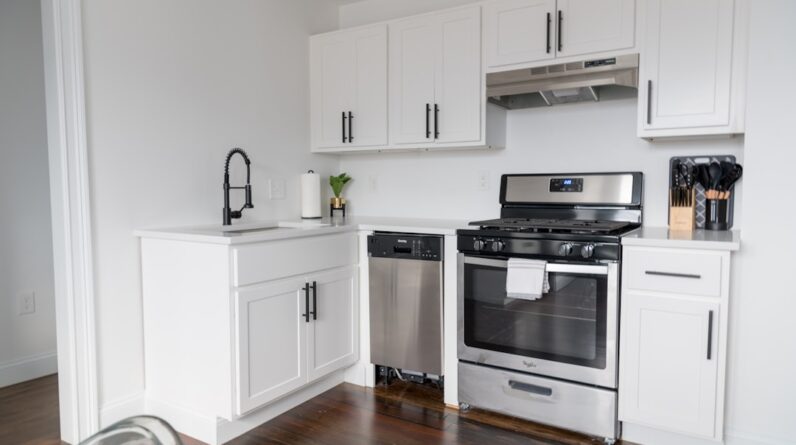
As you navigate through your daily life, the quality of the air you breathe indoors plays a crucial role in your overall health and well-being. Many people underestimate the impact that indoor air quality (IAQ) can have on their physical and mental health. Poor IAQ can lead to a range of health issues, from minor irritations like headaches and fatigue to more serious conditions such as respiratory diseases and allergies.
By understanding the importance of maintaining good indoor air quality, you can take proactive steps to create a healthier living environment for yourself and your loved ones. The air inside your home can often be more polluted than the air outside, primarily due to the accumulation of various pollutants. Factors such as inadequate ventilation, the use of chemical cleaning products, and even the materials used in your home can contribute to poor air quality.
By prioritizing IAQ, you not only enhance your comfort but also reduce the risk of long-term health problems. This awareness empowers you to make informed choices about your living space, ensuring that you breathe cleaner, fresher air every day.
Key Takeaways
- Indoor air quality is crucial for our health and well-being, as we spend a significant amount of time indoors.
- Common indoor air pollutants include mold, pet dander, dust mites, and volatile organic compounds (VOCs).
- Natural air purifying plants such as spider plants, peace lilies, and snake plants can help improve indoor air quality.
- Proper ventilation, such as opening windows and using exhaust fans, is essential for circulating fresh air and reducing indoor air pollutants.
- Essential oils like lavender, tea tree, and eucalyptus can be used to naturally purify the air and create a pleasant indoor environment.
Identifying Common Indoor Air Pollutants
To effectively improve your indoor air quality, it is essential to identify the common pollutants that may be lurking in your home. One of the most prevalent indoor air pollutants is dust, which can accumulate on surfaces and in the air over time. Dust mites, pet dander, and mold spores are just a few examples of what can contribute to this problem.
By recognizing these elements, you can take steps to minimize their presence and improve the air you breathe. Another significant contributor to poor indoor air quality is volatile organic compounds (VOCs). These are chemicals found in many household products, including paints, cleaning supplies, and even furniture.
When these products are used or stored improperly, they can release harmful gases into the air, leading to a range of health issues. By being aware of these common pollutants, you can make more conscious decisions about the products you bring into your home and how you manage them.
Utilizing Natural Air Purifying Plants
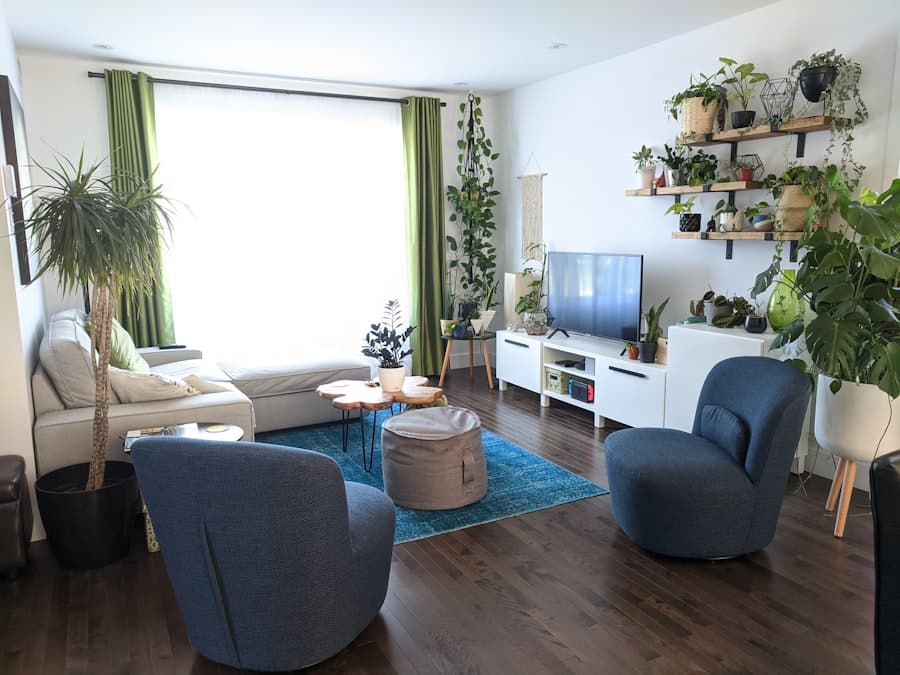
One effective way to enhance your indoor air quality is by incorporating natural air-purifying plants into your living space. Certain plants have been shown to absorb toxins and improve air quality through their natural processes. For instance, spider plants, peace lilies, and snake plants are known for their ability to filter out harmful substances like formaldehyde and benzene.
By adding these green companions to your home, you not only beautify your space but also create a healthier environment. In addition to their air-purifying properties, houseplants can also contribute to your mental well-being. Studies have shown that being around greenery can reduce stress levels and improve mood.
As you care for these plants, you may find that they become a source of joy and relaxation in your daily routine. By choosing to incorporate natural air-purifying plants into your home, you are making a dual investment in both your physical health and emotional well-being.
Implementing Proper Ventilation
Proper ventilation is a key component in maintaining good indoor air quality. Without adequate airflow, pollutants can become trapped inside your home, leading to a buildup of harmful substances. To combat this issue, consider opening windows regularly to allow fresh air to circulate throughout your living space.
This simple act can significantly reduce indoor pollution levels and create a more comfortable atmosphere. In addition to natural ventilation, mechanical systems such as exhaust fans and air purifiers can also play a vital role in improving IAQ. Exhaust fans in kitchens and bathrooms help remove moisture and odors, while air purifiers equipped with HEPA filters can capture airborne particles and allergens.
By implementing these ventilation strategies, you can ensure that your home remains a safe haven for you and your family.
Using Natural Air Purifying Essential Oils
Another effective method for enhancing indoor air quality is through the use of natural air-purifying essential oils. Many essential oils possess antimicrobial properties that can help eliminate airborne pathogens and improve the overall freshness of your home. Oils such as tea tree, eucalyptus, and lavender not only purify the air but also provide a pleasant aroma that can uplift your mood.
You can easily incorporate essential oils into your daily routine by using a diffuser or adding a few drops to cleaning products. This not only enhances the scent of your home but also contributes to a healthier environment by reducing harmful bacteria and viruses in the air. By embracing natural air-purifying essential oils, you create a sanctuary that promotes both physical health and emotional well-being.
Eliminating Harmful Chemicals and VOCs
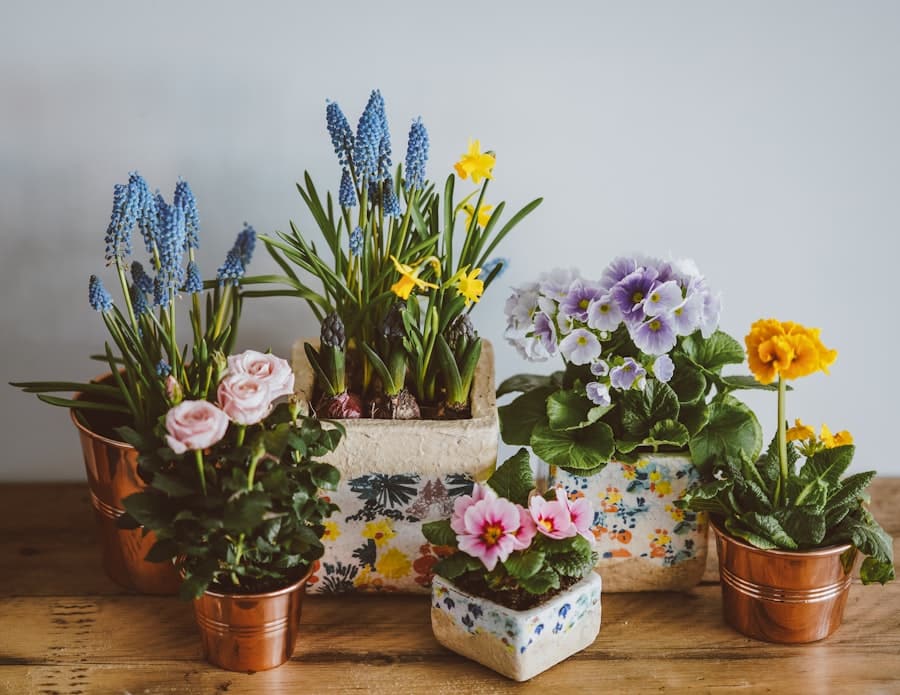
To further improve your indoor air quality, it is essential to eliminate harmful chemicals and VOCs from your living space. Start by evaluating the products you use for cleaning and maintenance. Many conventional cleaning supplies contain harsh chemicals that can release toxic fumes into the air.
Opting for natural or eco-friendly alternatives can significantly reduce your exposure to these harmful substances. Additionally, consider the materials used in your home furnishings and decor. Items such as carpets, paints, and furniture can emit VOCs that contribute to poor indoor air quality.
When making purchases, look for low-VOC or VOC-free options to minimize potential health risks. By taking these steps to eliminate harmful chemicals from your environment, you create a safer space for yourself and those around you.
Maintaining a Clean and Dust-Free Environment
A clean and dust-free environment is essential for promoting good indoor air quality. Regular cleaning routines can help minimize dust accumulation and reduce allergens in your home. Start by dusting surfaces with a damp cloth rather than a dry one, as this helps trap dust particles instead of sending them airborne.
Vacuuming carpets and upholstery frequently with a vacuum equipped with a HEPA filter can also make a significant difference in reducing allergens. In addition to routine cleaning, consider decluttering your living space. The more items you have in your home, the more surfaces there are for dust to settle on.
By simplifying your environment and keeping surfaces clear, you not only make cleaning easier but also create a more serene atmosphere that promotes better air quality.
Incorporating Natural Air Purifying Methods into Daily Routine
Incorporating natural air purifying methods into your daily routine is an effective way to ensure that you maintain good indoor air quality consistently. Start by making small changes that fit seamlessly into your lifestyle. For example, consider placing air-purifying plants in strategic locations around your home or using essential oils in your cleaning regimen.
Additionally, make it a habit to open windows whenever possible to allow fresh air to circulate through your living space. You might also set reminders to check on the filters in your HVAC system or air purifiers regularly, ensuring they are clean and functioning optimally. By integrating these practices into your daily life, you create an environment that supports both physical health and emotional well-being.
In conclusion, understanding the importance of indoor air quality is vital for creating a healthy living environment. By identifying common pollutants, utilizing natural solutions like plants and essential oils, implementing proper ventilation, eliminating harmful chemicals, maintaining cleanliness, and incorporating these methods into your daily routine, you can significantly improve the air you breathe at home. Taking these proactive steps not only enhances your comfort but also promotes long-term health benefits for you and your loved ones.
If you are looking for more ways to improve the air quality in your home, you may want to consider investing in an Aquacare Shower Head. This innovative product not only provides a refreshing shower experience but also helps to remove impurities from the water, resulting in cleaner air in your bathroom. Additionally, you may also want to check out the Weluvfit Pilates Bar Kit for a convenient way to stay active and promote better circulation, which can also contribute to purifying the air in your home.
FAQs
What are some common indoor air pollutants?
Some common indoor air pollutants include dust, pet dander, mold spores, pollen, volatile organic compounds (VOCs) from household products, and tobacco smoke.
How can indoor air be purified naturally?
Indoor air can be purified naturally by using houseplants, opening windows for ventilation, using natural air purifiers like activated charcoal and beeswax candles, and keeping a clean and clutter-free living space.
Which houseplants are effective for purifying indoor air?
Some houseplants that are effective for purifying indoor air include spider plants, peace lilies, snake plants, pothos, and bamboo palms. These plants can help remove common indoor air pollutants and improve air quality.
How does ventilation help in purifying indoor air?
Ventilation helps in purifying indoor air by allowing fresh outdoor air to circulate and replace stale indoor air. Opening windows and using exhaust fans can help remove indoor air pollutants and improve air quality.
What are some natural air purifiers that can be used indoors?
Some natural air purifiers that can be used indoors include activated charcoal, beeswax candles, Himalayan salt lamps, and essential oil diffusers. These products can help remove odors and pollutants from the air.