
The history of mechanical watches is a fascinating journey that intertwines innovation, artistry, and the relentless pursuit of precision. The origins of these timepieces can be traced back to the 15th century when the first spring-driven clocks emerged in Europe. These early devices marked a significant departure from the hourglasses and sundials that had dominated timekeeping for centuries.
As you delve deeper into this history, you will discover how the mechanical watch evolved from large, cumbersome clocks into the compact, intricate devices we admire today. By the 17th century, advancements in horology led to the creation of portable timepieces. The introduction of the balance spring revolutionized watchmaking, allowing for greater accuracy and reliability.
This period also saw the rise of skilled artisans who dedicated their lives to perfecting the craft. As you explore this era, you will encounter notable figures such as Abraham-Louis Breguet and John Arnold, who made significant contributions to watch design and mechanics.
Key Takeaways
- Mechanical watches have a rich history dating back centuries, with advancements in technology and design shaping their evolution over time.
- Understanding the intricate inner workings of mechanical watches involves a complex system of gears, springs, and escapements that work together to keep time accurately.
- Craftsmanship in mechanical watches involves skilled artisans who meticulously assemble and decorate each component by hand, resulting in a unique and timeless piece of art.
- Despite the prevalence of digital technology, the appeal of mechanical watches endures, offering a sense of tradition, craftsmanship, and connection to the past.
- There are various types of mechanical watches, including manual, automatic, and chronograph, each with its own distinct features and functions.
How Mechanical Watches Work
Understanding how mechanical watches work is essential to appreciating their complexity and charm. At the heart of every mechanical watch lies a movement, which is a sophisticated assembly of gears, springs, and levers. When you wind the crown of a mechanical watch, you are tightening the mainspring, which stores energy.
This energy is gradually released through a series of gears that regulate the movement of the watch hands. The intricate dance of these components is what allows you to keep track of time with remarkable accuracy. The escapement mechanism plays a crucial role in this process.
It controls the release of energy from the mainspring, ensuring that the gears move at a consistent rate. As you observe a mechanical watch in action, you may notice the characteristic ticking sound—a rhythmic reminder of the escapement’s function. This delicate balance between energy release and regulation is what sets mechanical watches apart from their quartz counterparts, which rely on batteries and electronic components.
The craftsmanship involved in creating these movements is a testament to human ingenuity and dedication.
The Art of Craftsmanship in Mechanical Watches

The craftsmanship involved in creating mechanical watches is nothing short of extraordinary. Each timepiece is a culmination of years of training, skill, and passion. When you hold a mechanical watch in your hand, you are not just holding a tool for telling time; you are holding a work of art that reflects the dedication of its maker.
Watchmakers often spend countless hours meticulously assembling each component, ensuring that every gear meshes perfectly and every detail is polished to perfection. The artistry extends beyond the mechanics; it encompasses design elements as well. From intricate dials adorned with exquisite engravings to cases crafted from precious metals, every aspect of a mechanical watch is thoughtfully considered.
As you explore various brands and models, you will find that some watchmakers embrace traditional techniques passed down through generations, while others push the boundaries of innovation with modern materials and designs. This blend of tradition and innovation creates a rich tapestry of options for collectors and enthusiasts alike.
The Appeal of Mechanical Watches in the Digital Age
In an era dominated by digital technology, one might wonder why mechanical watches continue to hold such allure. The appeal lies in their unique blend of tradition, craftsmanship, and emotional connection. When you wear a mechanical watch, you are not just donning an accessory; you are embracing a piece of history that has stood the test of time.
Unlike digital devices that can become obsolete within a few years, mechanical watches possess an enduring quality that transcends trends. Moreover, mechanical watches offer a tactile experience that digital devices cannot replicate. The sensation of winding the crown or feeling the weight of a finely crafted timepiece on your wrist creates a connection that is deeply personal.
In a world where everything seems to move at lightning speed, mechanical watches serve as a reminder to slow down and appreciate the artistry behind timekeeping. This emotional resonance is what draws many individuals to invest in these timeless pieces.
Different Types of Mechanical Watches
As you explore the world of mechanical watches, you will encounter various types that cater to different tastes and preferences. One popular category is the automatic watch, which harnesses kinetic energy from your wrist movements to wind the mainspring. This means that as long as you wear it regularly, it will keep running without needing manual winding.
Automatic watches are celebrated for their convenience and reliability. Another category worth noting is manual-wind watches, which require you to wind them by hand regularly. This type appeals to purists who appreciate the ritual involved in maintaining their timepiece.
Additionally, there are complications—features beyond basic timekeeping—such as chronographs, perpetual calendars, and moon phases. Each complication adds layers of functionality and complexity to a watch, making it not just a tool for telling time but also a conversation piece that showcases engineering prowess.
Maintenance and Care for Mechanical Watches
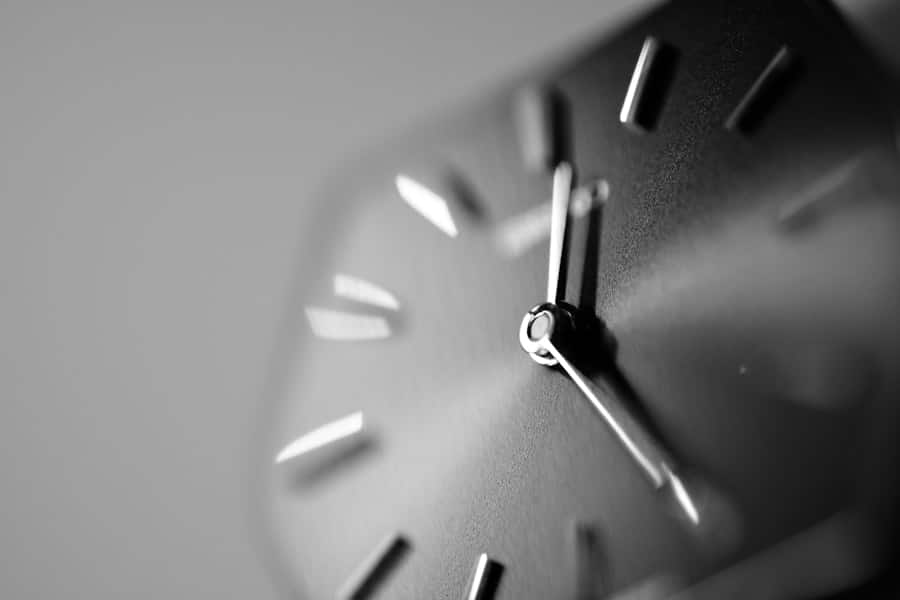
To ensure your mechanical watch remains in optimal condition, proper maintenance and care are essential. Regular servicing by a qualified watchmaker is recommended every three to five years, depending on usage and environmental factors. During this service, your watch will be disassembled, cleaned, lubricated, and reassembled to ensure all components function smoothly.
In addition to professional servicing, there are simple steps you can take to care for your mechanical watch daily. Avoid exposing it to extreme temperatures or magnetic fields, as these can disrupt its delicate mechanisms.
When not in use, store your watch in a protective case or on a watch winder if it’s an automatic model. By taking these precautions, you can preserve both the functionality and aesthetic appeal of your mechanical watch for years to come.
The Value of Collecting Mechanical Watches
Collecting mechanical watches has become a popular hobby for enthusiasts around the world. The value of these timepieces often appreciates over time due to their craftsmanship, rarity, and historical significance. As you delve into this world, you may find yourself drawn to specific brands or models that resonate with your personal style or interests.
Each watch tells a story—whether it’s about its maker, its design evolution, or its place in horological history. Moreover, collecting mechanical watches can be an investment opportunity. Certain limited-edition models or vintage pieces have seen significant increases in value over the years.
As you build your collection, consider factors such as provenance, condition, and market demand when evaluating potential purchases. Engaging with fellow collectors through forums or events can also enhance your experience as you share insights and learn from others who share your passion.
The Future of Mechanical Watches
As we look toward the future of mechanical watches, it’s clear that they will continue to hold a special place in our hearts despite advancements in technology. While smartwatches have gained popularity for their multifunctionality and convenience, they lack the soul and artistry inherent in mechanical timepieces. Watchmakers are increasingly blending traditional craftsmanship with modern technology to create innovative designs that appeal to both purists and tech-savvy consumers.
Furthermore, sustainability is becoming an important consideration in watchmaking. Many brands are exploring eco-friendly materials and practices while maintaining their commitment to quality craftsmanship. As you navigate this evolving landscape, you may find that mechanical watches are not only timeless pieces but also symbols of innovation and responsibility in an ever-changing world.
The future holds exciting possibilities for those who appreciate the beauty and intricacy of these remarkable creations.
If you are a fan of mechanical watches, you may also be interested in the Aroeve Air Purifiers Review. Just like how mechanical watches require precision and attention to detail, air purifiers also rely on advanced technology to provide clean and fresh air in your home. Check out this review to learn more about how Aroeve air purifiers can enhance the air quality in your living space.
FAQs
What is a mechanical watch?
A mechanical watch is a timepiece that uses a mechanical mechanism to measure the passage of time, as opposed to quartz watches which use electronic movements.
How does a mechanical watch work?
A mechanical watch works by using a mainspring to store energy, which is then regulated by a balance wheel and escapement to control the release of energy and keep time accurately.
What are the main types of mechanical watches?
The main types of mechanical watches are manual-wind and automatic (self-winding) watches. Manual-wind watches require regular winding by the wearer, while automatic watches are wound by the movement of the wearer’s wrist.
What are the advantages of a mechanical watch?
Some advantages of mechanical watches include the craftsmanship and artistry involved in their construction, the lack of reliance on batteries, and the potential for heirloom quality and longevity.
What are the disadvantages of a mechanical watch?
Disadvantages of mechanical watches include the need for regular maintenance and servicing, their typically higher cost compared to quartz watches, and the potential for less accuracy in timekeeping.
How often should a mechanical watch be serviced?
It is generally recommended to have a mechanical watch serviced every 3-5 years to ensure its proper functioning and longevity.
Are mechanical watches waterproof?
Not all mechanical watches are waterproof. Some are designed to be water-resistant to varying degrees, but it is important to check the specific water resistance rating of a mechanical watch before exposing it to water.