Rust inhibitors are chemical compounds designed to prevent or slow down the oxidation process that leads to rust formation on metal surfaces. When metals, particularly iron and its alloys, come into contact with moisture and oxygen, they undergo a chemical reaction that results in rust. This not only compromises the structural integrity of the metal but also affects its aesthetic appeal.
By using rust inhibitors, you can significantly extend the lifespan of your metal items, whether they are tools, machinery, or vehicles. These inhibitors come in various forms, including liquids, sprays, and coatings. They can be applied directly to the metal surface or incorporated into protective packaging.
The primary goal of rust inhibitors is to create a barrier that prevents moisture and oxygen from reaching the metal, thereby reducing the likelihood of corrosion. Understanding the role of rust inhibitors is crucial for anyone looking to maintain their metal possessions and ensure they remain in optimal condition for years to come.
Key Takeaways
- Rust inhibitors are chemicals that are used to prevent or slow down the formation of rust on metal surfaces.
- They work by forming a protective barrier on the metal surface, preventing moisture and oxygen from coming into contact with the metal.
- Using rust inhibitors can extend the lifespan of metal equipment and structures, saving time and money on repairs and replacements.
- There are different types of rust inhibitors, including oil-based, water-based, and solvent-based inhibitors, each with its own advantages and applications.
- VCI (Volatile Corrosion Inhibitor) technology is a method of rust prevention that uses vapor-phase corrosion inhibitors to protect metal surfaces from rust and corrosion.
How do Rust Inhibitors Work?
Rust inhibitors function through several mechanisms that disrupt the corrosion process. One common method is by forming a protective film on the surface of the metal. This film acts as a barrier, preventing moisture and oxygen from coming into contact with the metal.
Some inhibitors also work by neutralizing acids that may be present on the surface, which can accelerate corrosion. By creating an environment that is less conducive to rust formation, these inhibitors play a vital role in metal preservation. Another way rust inhibitors work is by providing sacrificial protection.
In this case, a less noble metal is used to corrode instead of the more valuable metal. This sacrificial layer will corrode first, thereby protecting the underlying metal from rusting. This method is often seen in galvanization, where zinc is applied to steel to prevent rust.
By understanding these mechanisms, you can better appreciate how rust inhibitors contribute to the longevity of your metal items.
Benefits of Using Rust Inhibitors
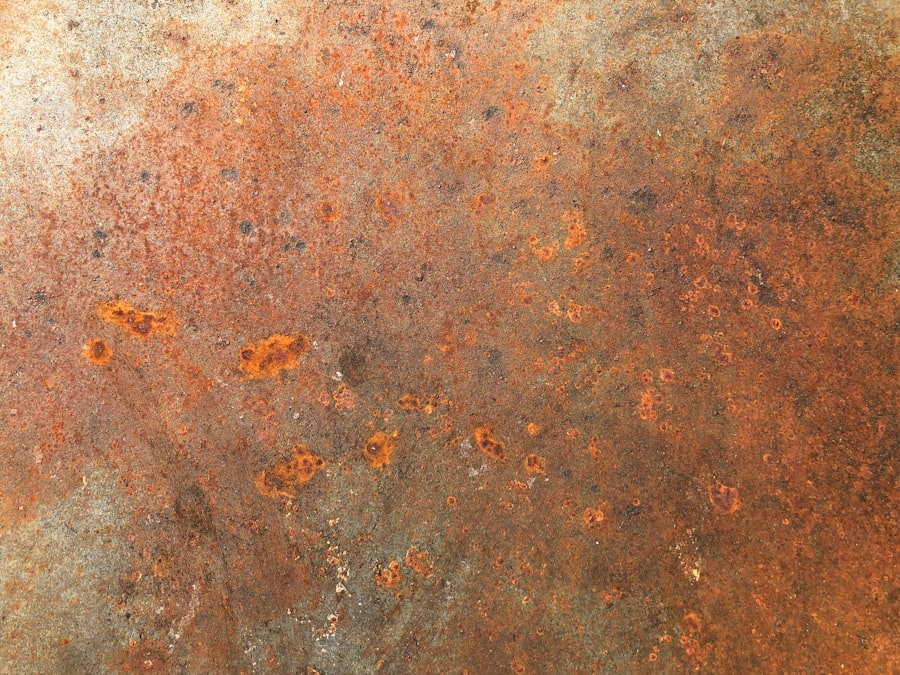
The benefits of using rust inhibitors are manifold and can have a significant impact on your maintenance routine. First and foremost, they help prolong the life of your metal items by preventing rust formation. This is particularly important for tools and machinery that are exposed to harsh environments or moisture.
By investing in rust inhibitors, you can save money in the long run by reducing the need for repairs or replacements due to corrosion. Additionally, rust inhibitors can enhance the performance of your equipment. When metal surfaces are free from rust, they operate more efficiently and smoothly.
This can lead to improved productivity and reduced downtime in industrial settings. Furthermore, using rust inhibitors can also improve safety by minimizing the risk of equipment failure due to corrosion-related issues. Overall, incorporating rust inhibitors into your maintenance practices can yield significant benefits for both your assets and your bottom line.
Types of Rust Inhibitors
There are several types of rust inhibitors available on the market, each designed for specific applications and environments. One common type is organic inhibitors, which are derived from natural sources and are often biodegradable. These inhibitors work by forming a protective layer on the metal surface and are suitable for use in various industries, including automotive and manufacturing.
Another category is inorganic inhibitors, which are typically more effective in extreme conditions but may not be environmentally friendly. These include compounds like phosphates and chromates that provide robust protection against corrosion. Additionally, there are also volatile corrosion inhibitors (VCIs) that release vapors to protect enclosed spaces from rust.
Understanding the different types of rust inhibitors allows you to choose the most appropriate one for your specific needs.
Understanding VCI Technology
Volatile Corrosion Inhibitor (VCI) technology represents a significant advancement in rust prevention methods. VCIs are chemicals that vaporize and form a protective layer on metal surfaces within an enclosed space. This technology is particularly useful for protecting items during storage or transportation, where exposure to moisture and air can lead to corrosion.
The beauty of VCI technology lies in its ability to provide protection without direct contact with the metal surface. VCI technology is widely used in various industries, including automotive, aerospace, and electronics. It offers a convenient solution for protecting complex shapes and hard-to-reach areas that traditional coatings may not cover effectively.
By understanding VCI technology, you can appreciate its role in modern corrosion prevention strategies and how it can be integrated into your maintenance practices.
How VCI Technology Works
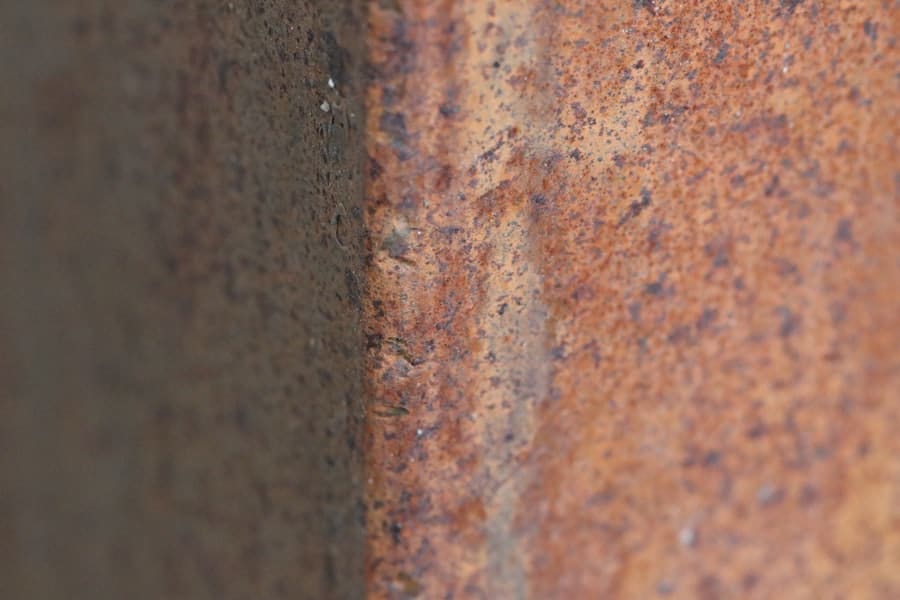
VCI technology works by releasing vapor-phase corrosion inhibitors into the air within a sealed environment. These vapors condense on metal surfaces, forming a thin protective layer that prevents moisture and oxygen from initiating the corrosion process. The effectiveness of VCI technology depends on several factors, including temperature, humidity, and the concentration of VCIs in the enclosed space.
One of the key advantages of VCI technology is its ability to protect multiple metal surfaces simultaneously without requiring direct application. This makes it ideal for packaging items like tools, machinery parts, and electronic components during shipping or storage. By creating a controlled environment that minimizes exposure to corrosive elements, VCI technology provides an efficient solution for maintaining the integrity of your metal assets.
Advantages of VCI Technology
The advantages of VCI technology are numerous and make it an attractive option for anyone looking to protect their metal items from rust. One significant benefit is its ease of use; simply placing items in a VCI-treated environment can provide effective protection without the need for extensive preparation or application processes. This convenience saves time and effort while ensuring that your items remain safe from corrosion.
Another advantage is the long-lasting protection that VCI technology offers. Unlike traditional coatings that may wear off over time or require reapplication, VCIs can provide ongoing protection as long as they remain within the enclosed space. This makes them particularly valuable for long-term storage solutions where regular maintenance may not be feasible.
By leveraging VCI technology, you can enjoy peace of mind knowing that your metal items are safeguarded against rust.
Applications of VCI Technology
VCI technology has a wide range of applications across various industries due to its effectiveness in preventing corrosion. In the automotive sector, it is commonly used to protect engine components and other metal parts during shipping and storage. The aerospace industry also benefits from VCI technology by safeguarding sensitive components from moisture damage during transit.
In addition to these industries, VCI technology is increasingly being adopted in electronics manufacturing to protect circuit boards and other delicate components from corrosion during storage or shipping. Its versatility makes it suitable for protecting everything from small tools to large machinery parts, ensuring that businesses can maintain their assets without worrying about rust-related issues.
Choosing the Right Storage Bags with VCI Technology
When selecting storage bags with VCI technology, it’s essential to consider several factors to ensure optimal protection for your metal items. First, assess the size and shape of the items you need to store; choosing bags that fit snugly will help maximize the effectiveness of the VCI vapors by minimizing air gaps where moisture could enter. Additionally, look for bags made from high-quality materials that are resistant to punctures and tears.
The integrity of the bag is crucial for maintaining a controlled environment within it. Finally, check for product specifications regarding the concentration and type of VCIs used; this information will help you determine if the storage bags meet your specific corrosion protection needs.
Tips for Using Rust Inhibitors and Storage Bags with VCI Technology
To maximize the effectiveness of rust inhibitors and storage bags with VCI technology, consider implementing a few best practices. First, ensure that all surfaces are clean and free from contaminants before applying any rust inhibitor or placing items in VCI bags. Dirt, grease, or moisture can compromise the protective barrier and reduce effectiveness.
Next, store items in a cool, dry place whenever possible to further minimize exposure to moisture and humidity. Regularly inspect stored items for any signs of corrosion or damage; early detection can help you address issues before they escalate. Finally, follow manufacturer guidelines regarding application methods and reapplication intervals for rust inhibitors to ensure optimal performance.
The Importance of Rust Inhibitors and VCI Technology
In conclusion, rust inhibitors and VCI technology play a vital role in preserving metal items from corrosion and extending their lifespan. By understanding how these products work and their various applications, you can make informed decisions about protecting your assets effectively. Whether you’re a hobbyist looking to maintain your tools or a business owner responsible for expensive machinery, investing in rust inhibitors and VCI technology is essential for safeguarding your investments.
The benefits of using these technologies extend beyond mere aesthetics; they contribute significantly to safety, efficiency, and cost savings over time. As you explore options for rust prevention, remember that choosing the right products tailored to your specific needs will yield the best results in maintaining your metal possessions against the relentless threat of rust.
If you are looking for a convenient and hygienic solution for your drinking water needs, check out the Compliant Station Drinking Fountain. This article discusses the benefits of having a reliable drinking fountain in your home or office. In addition, if you are concerned about the quality of your water, consider investing in the Aquasana Whole House Filter System to ensure clean and safe water throughout your entire home. And if you are in the market for a new bathtub, the Empava 72″ Bathtub Review provides valuable information on a luxurious and spacious option for your bathroom. Don’t forget to protect your metal items with Rust Inhibitors and Storage Bags Vci Technology to prevent corrosion and damage. Check out the article here.
FAQs
What are rust inhibitors?
Rust inhibitors are chemicals that are used to prevent or slow down the formation of rust on metal surfaces. They work by forming a protective barrier on the metal surface, preventing moisture and oxygen from coming into contact with the metal.
What are VCI technology storage bags?
VCI stands for “volatile corrosion inhibitor.” VCI technology storage bags are specially designed bags that are infused with VCI chemicals. These chemicals release vapors that form a protective layer on metal surfaces, preventing rust and corrosion.
How do rust inhibitors and VCI technology storage bags work?
Rust inhibitors work by forming a protective barrier on the metal surface, while VCI technology storage bags release vapors that form a protective layer on metal surfaces. Both methods work to prevent moisture and oxygen from coming into contact with the metal, thus preventing rust and corrosion.
What types of metals can rust inhibitors and VCI technology storage bags be used on?
Rust inhibitors and VCI technology storage bags can be used on a wide range of metals, including steel, iron, aluminum, copper, and brass.
Where can rust inhibitors and VCI technology storage bags be used?
Rust inhibitors and VCI technology storage bags can be used in a variety of settings, including manufacturing facilities, warehouses, shipping containers, and for long-term storage of metal items. They are also commonly used in the automotive and aerospace industries.