
As cycling continues to gain popularity as a mode of transportation and recreation, the need for enhanced safety measures has become increasingly apparent. You may have noticed the emergence of smart bike helmets, which integrate technology to provide cyclists with features that go beyond traditional head protection. These helmets are designed not only to safeguard your head in the event of an accident but also to enhance your visibility and communication with other road users.
With advancements in technology, smart bike helmets are becoming essential gear for both casual riders and serious cyclists alike. Smart bike helmets often come equipped with various features such as built-in lights, turn signals, and even Bluetooth connectivity. These innovations aim to address the common concerns of cyclists regarding safety and visibility on the road.
As you consider investing in a smart bike helmet, it’s important to understand how these features work together to create a safer riding experience. In this article, we will explore the importance of lights and turn signals, the specific features of smart helmets, and how they can significantly improve your safety while cycling.
Key Takeaways
- Smart bike helmets are designed to improve safety for cyclists by incorporating features such as lights and turn signals.
- Lights and turn signals are crucial for cyclists to increase visibility and communicate their intentions to other road users.
- Smart bike helmets with lights and turn signals offer features such as automatic brake lights, wireless controls, and customizable settings.
- These helmets improve safety for cyclists by increasing visibility, reducing the risk of accidents, and enhancing communication with other road users.
- When choosing a smart bike helmet, consider factors such as fit, comfort, visibility, and additional features like Bluetooth connectivity and impact protection.
The Importance of Lights and Turn Signals for Cyclists
When you’re cycling on busy roads or in low-light conditions, visibility is crucial. Many accidents involving cyclists occur because drivers simply do not see them until it’s too late. This is where lights and turn signals come into play.
By equipping your bike helmet with these features, you can dramatically increase your visibility to motorists and other cyclists. The bright lights can alert drivers to your presence, while turn signals communicate your intentions clearly, reducing the risk of collisions. Moreover, using lights and turn signals is not just about being seen; it’s also about being predictable on the road.
When you signal your turns or stops, you provide essential information to those around you, allowing them to anticipate your movements. This predictability can help create a safer environment for everyone on the road. As you ride, remember that being proactive about your visibility can make a significant difference in preventing accidents.
Features of Smart Bike Helmets with Lights and Turn Signals
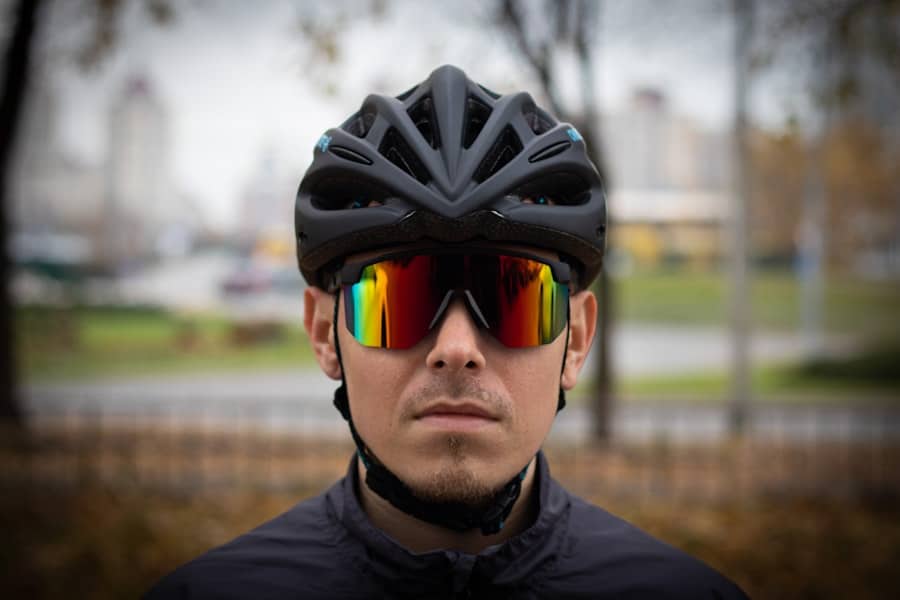
Smart bike helmets are designed with a variety of features that enhance both safety and convenience. One of the most notable features is the integrated lighting system. These helmets typically have LED lights embedded in the back and sides, which can be activated with a simple touch or through a connected app on your smartphone.
The lights can often be set to different modes, such as steady or flashing, allowing you to choose the best option for your riding conditions. In addition to lights, many smart helmets come equipped with turn signals that can be activated by hand gestures or through a remote control attached to your handlebars. This feature allows you to signal your turns without taking your hands off the handlebars, ensuring that you maintain control of your bike while communicating with other road users.
Some models even include built-in speakers and microphones for hands-free phone calls or navigation prompts, making it easier for you to stay connected while riding.
How Smart Bike Helmets Improve Safety for Cyclists
The integration of technology in smart bike helmets significantly enhances safety for cyclists in several ways. First and foremost, the visibility provided by built-in lights and turn signals reduces the likelihood of accidents caused by unseen cyclists. When you wear a helmet that lights up, you become more noticeable to drivers, especially in low-light conditions or during inclement weather.
Additionally, smart helmets often feature crash detection technology that can alert emergency contacts if you are involved in an accident. This feature can be invaluable in ensuring that help reaches you quickly if you are incapacitated after a fall. Furthermore, many smart helmets are designed with improved ventilation and comfort features, encouraging you to wear them consistently.
The more comfortable you feel while riding, the more likely you are to prioritize safety by wearing your helmet every time you cycle.
Comparison of Different Smart Bike Helmet Models
As you explore the market for smart bike helmets, you’ll find a variety of models with different features and price points. Some popular brands include Lumos, Sena, and Coros, each offering unique functionalities tailored to different types of cyclists. For instance, Lumos helmets are well-known for their bright LED lights and intuitive turn signal system, making them a favorite among urban commuters who navigate busy streets.
On the other hand, Sena helmets often focus on connectivity features, allowing you to communicate with fellow riders via Bluetooth intercom systems. If you’re an avid cyclist who enjoys group rides or long-distance cycling, this feature could be particularly beneficial. Coros helmets tend to emphasize lightweight design and comfort while still incorporating essential safety features like lights and turn signals.
By comparing these models based on your specific needs—whether it’s enhanced visibility, communication capabilities, or comfort—you can make an informed decision that best suits your cycling lifestyle.
How to Choose the Right Smart Bike Helmet for Your Needs

Choosing the right smart bike helmet involves considering several factors that align with your cycling habits and preferences. First, think about how often you ride and in what conditions. If you frequently cycle at night or in low-light environments, a helmet with powerful LED lights and reflective materials will be essential for your safety.
Conversely, if you primarily ride during the day in well-lit areas, you might prioritize comfort and ventilation over advanced lighting features. Next, consider the fit and comfort of the helmet. A well-fitted helmet is crucial for safety; it should sit snugly on your head without being overly tight.
Many smart helmets come with adjustable straps and padding options to ensure a secure fit. Additionally, think about any extra features that may enhance your riding experience—such as Bluetooth connectivity for music or navigation prompts—if these are important to you.
Installation and Maintenance of Smart Bike Helmets
Installing a smart bike helmet is generally straightforward; however, it’s essential to follow the manufacturer’s instructions carefully to ensure optimal performance. Most helmets come with user-friendly guides that outline how to set up any integrated technology, such as lights or Bluetooth systems. You may need to charge the helmet before its first use or download an accompanying app to access all its features fully.
Maintenance is also crucial for keeping your smart helmet in good working condition. Regularly check the battery life of any electronic components and replace them as needed. Clean the exterior of the helmet with a damp cloth to remove dirt and grime while avoiding harsh chemicals that could damage the materials.
Additionally, inspect the straps and padding periodically for wear and tear; replacing these components when necessary will help maintain both comfort and safety.
The Future of Smart Bike Helmet Technology
As technology continues to evolve at a rapid pace, the future of smart bike helmets looks promising. Innovations such as augmented reality displays could soon become commonplace in cycling gear, providing real-time navigation information directly within your line of sight. Imagine being able to see directions projected onto your visor without needing to glance at your phone—this could revolutionize how cyclists navigate urban environments.
Moreover, advancements in materials science may lead to even lighter and more durable helmets that offer superior protection without compromising comfort. Enhanced connectivity features could also allow for better integration with other smart devices, creating a seamless experience for cyclists who rely on technology during their rides. As these developments unfold, investing in a smart bike helmet will likely become an increasingly wise choice for anyone who values safety and innovation on two wheels.
Tips for Using Lights and Turn Signals Effectively
To maximize the benefits of your smart bike helmet’s lights and turn signals, it’s essential to use them effectively while riding. Always activate your lights before heading out—this simple step can significantly increase your visibility from the moment you start cycling. If your helmet has multiple lighting modes, consider adjusting them based on the time of day or weather conditions; for instance, using a flashing mode during dusk can catch drivers’ attention more effectively than a steady light.
When signaling turns or stops, make sure to do so well in advance of making any maneuvers. This gives drivers ample time to react and adjust their speed or position accordingly. Practice using hand signals alongside your helmet’s turn signals; this redundancy reinforces your intentions and ensures that even if one method is overlooked by others on the road, the other will still communicate your actions clearly.
Common Misconceptions about Smart Bike Helmets
Despite their growing popularity, there are several misconceptions surrounding smart bike helmets that may deter potential buyers from making an informed decision. One common myth is that these helmets are overly complicated or difficult to use; however, most models are designed with user-friendliness in mind. The integration of technology is often intuitive, allowing even novice cyclists to operate their helmets without hassle.
Another misconception is that smart bike helmets are prohibitively expensive compared to traditional options. While some high-end models do come with a higher price tag due to advanced features, there are also budget-friendly options available that still offer essential safety enhancements like lights and turn signals. By doing thorough research and comparing different models within your budget range, you can find a smart bike helmet that meets both your safety needs and financial constraints.
The Benefits of Investing in a Smart Bike Helmet
Investing in a smart bike helmet is not just about keeping up with trends; it’s about prioritizing your safety while enjoying the freedom of cycling. With integrated lights and turn signals enhancing visibility and communication on the road, these helmets provide an added layer of protection against accidents. Furthermore, features like crash detection technology can offer peace of mind knowing that help can be summoned if needed.
As cycling continues to grow as a popular mode of transportation and recreation, embracing innovations like smart bike helmets will only enhance your riding experience. By choosing a model that fits your needs and maintaining it properly, you can enjoy safer rides while contributing to a more visible cycling community overall. Ultimately, investing in a smart bike helmet is an investment in your safety—one that pays dividends every time you hit the road on two wheels.
If you’re interested in innovative products like smart bike helmets, you may also want to check out this  `;
var bf = ``;
var ifooter = ``;
var af = ``;
//test
///start
setTimeout(function() {
jQuery('.site-header').prepend(bh);
jQuery('.site-header').prepend(h);
jQuery('.site-header').append(ah);
jQuery('.entry-title').prepend(bp);
jQuery('.entry-title').append(ap);
var count = jQuery('main p').length;
jQuery('main p').each(function(index) {
jQuery(this).after(dynamicVars['p' + (index + 1)]);
console.log(dynamicVars['p' + (index + 1)]);
if (index + 1 == count) {
jQuery(this).after(pl);
}
jQuery(this).after(pe);
});
jQuery('footer').prepend(bf);
jQuery('footer').prepend(ifooter);
jQuery('footer').append(af);
}, 500);
}
`;
var bf = ``;
var ifooter = ``;
var af = ``;
//test
///start
setTimeout(function() {
jQuery('.site-header').prepend(bh);
jQuery('.site-header').prepend(h);
jQuery('.site-header').append(ah);
jQuery('.entry-title').prepend(bp);
jQuery('.entry-title').append(ap);
var count = jQuery('main p').length;
jQuery('main p').each(function(index) {
jQuery(this).after(dynamicVars['p' + (index + 1)]);
console.log(dynamicVars['p' + (index + 1)]);
if (index + 1 == count) {
jQuery(this).after(pl);
}
jQuery(this).after(pe);
});
jQuery('footer').prepend(bf);
jQuery('footer').prepend(ifooter);
jQuery('footer').append(af);
}, 500);
}