
In today’s fast-paced world, the safety of your home and loved ones is paramount. As technology continues to evolve, so do the methods by which we protect our homes. Smart home security systems have emerged as a vital component in safeguarding your living space.
These systems not only provide peace of mind but also offer a level of convenience and control that traditional security measures simply cannot match. With the rise in smart technology, you can monitor your home from anywhere, ensuring that you are always connected to your environment.
They serve as a deterrent against potential intruders, reducing the likelihood of break-ins. When you invest in a smart security system, you are not just purchasing a product; you are making a commitment to the safety and well-being of your family. The ability to receive real-time alerts and notifications allows you to respond quickly to any potential threats, giving you an added layer of protection.
In an age where crime rates fluctuate and home invasions can happen unexpectedly, having a smart security system in place is not just wise; it is essential.
Key Takeaways
- Smart home security systems are important for protecting your home and loved ones from potential threats and intruders.
- These systems work by using a combination of sensors, cameras, and smart technology to monitor and secure your home.
- Features and components of smart home security systems include motion sensors, door and window sensors, security cameras, and smart locks.
- When choosing a smart home security system, consider factors such as your budget, the size of your home, and the level of customization and control you desire.
- Installation and set-up of smart home security systems can be done DIY or by professional installers, and it’s important to follow the manufacturer’s instructions for optimal performance.
How Smart Home Security Systems Work
Understanding how smart home security systems operate can empower you to make informed decisions about your home’s safety. At their core, these systems utilize a network of interconnected devices that communicate with each other and with you. This network typically includes cameras, motion sensors, door/window sensors, and alarms, all of which work together to create a comprehensive security solution.
When an event occurs—such as a door being opened or motion detected—these devices send alerts to your smartphone or other connected devices, allowing you to take immediate action. The integration of artificial intelligence and machine learning has further enhanced the functionality of smart home security systems. Many systems can learn your habits and routines, distinguishing between normal activity and potential threats.
For instance, if your system detects movement in your yard at an unusual hour, it can trigger an alert while ignoring routine movements during the day. This intelligent monitoring reduces false alarms and ensures that you are only notified when it truly matters. By leveraging technology in this way, smart home security systems provide a level of sophistication that traditional systems simply cannot achieve.
Features and Components of Smart Home Security Systems
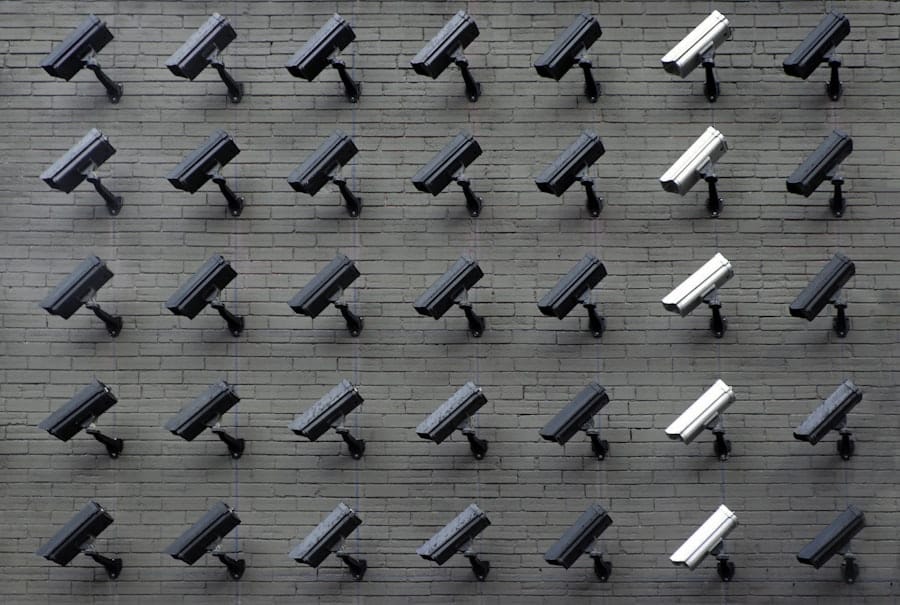
When exploring smart home security systems, you’ll find a variety of features and components designed to enhance your home’s safety. One of the most prominent features is remote access, which allows you to monitor your property from anywhere using your smartphone or tablet. This capability means that whether you’re at work, on vacation, or simply out for the evening, you can keep an eye on your home in real-time.
Many systems also offer cloud storage for video footage, enabling you to review past events whenever necessary. Another critical component is the integration of smart locks and doorbell cameras. Smart locks allow you to control access to your home remotely, granting entry to trusted individuals without needing physical keys.
Doorbell cameras provide a visual feed of who is at your door, allowing you to interact with visitors even when you’re not home. These features not only enhance security but also add convenience to your daily life. With the ability to manage access points and monitor activity at your doorstep, you can feel more secure in your own space.
Choosing the Right Smart Home Security System for Your Needs
Selecting the right smart home security system can be a daunting task given the plethora of options available on the market today. To make an informed choice, start by assessing your specific needs and lifestyle. Consider factors such as the size of your home, the number of entry points, and whether you have pets that may trigger motion sensors.
Understanding these elements will help you narrow down your options and find a system that fits seamlessly into your life. Additionally, think about the level of customization you desire. Some systems offer basic features that may suffice for smaller homes or apartments, while others provide extensive options for larger properties or those with unique security concerns.
Look for systems that allow for scalability; as your needs change or expand, you want a system that can grow with you. Reading reviews and seeking recommendations from friends or family can also provide valuable insights into which systems perform best in real-world scenarios.
Installation and Set-Up of Smart Home Security Systems
Once you’ve chosen a smart home security system that meets your needs, the next step is installation and set-up. Many modern systems are designed for easy DIY installation, allowing you to set up cameras and sensors without professional assistance. This convenience not only saves money but also gives you the flexibility to customize the placement of devices according to your preferences.
Most manufacturers provide detailed instructions and online resources to guide you through the process. However, if you’re not comfortable with DIY installation or if your system requires more complex integration with existing home automation devices, hiring a professional may be the best option. Professionals can ensure that all components are installed correctly and functioning optimally.
Regardless of the installation method you choose, taking the time to properly set up your system is crucial for maximizing its effectiveness. A well-installed system will provide reliable protection and peace of mind.
Benefits of Smart Home Security Systems
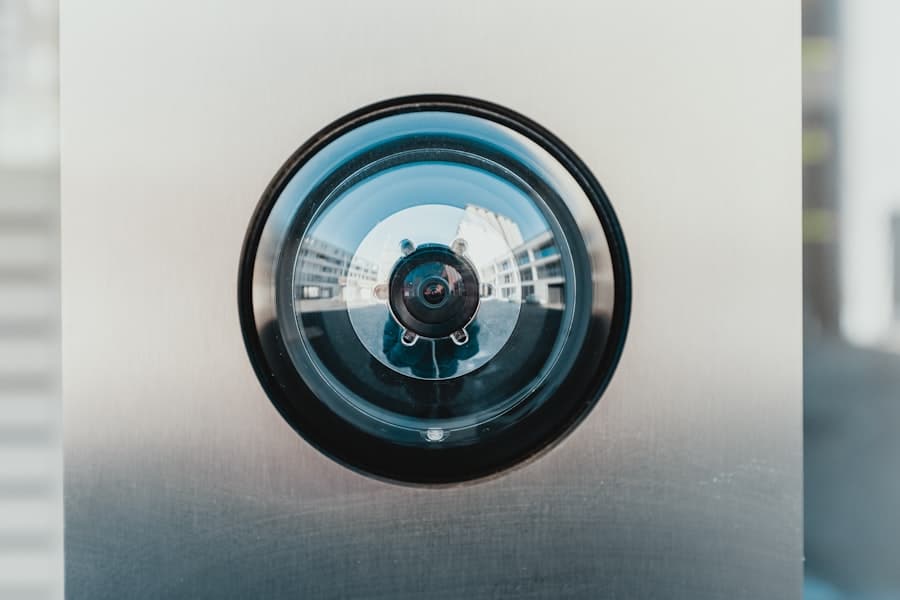
Real-Time Notifications for Enhanced Security
One significant advantage is the ability to receive instant notifications about any unusual activity around your home. Whether it’s a package delivery or an unexpected visitor, being informed in real-time allows you to respond promptly and appropriately.
Seamless Integration for a Safer Home
This level of awareness can significantly enhance your sense of security.
For example, if a smoke detector is triggered, it can automatically lock doors or turn on lights to guide you safely out of the house.
A Harmonious and Safe Living Space
This interconnectedness not only streamlines your daily routines but also ensures that all aspects of your home work together harmoniously to keep you safe.
Common Misconceptions about Smart Home Security Systems
Despite their growing popularity, several misconceptions about smart home security systems persist. One common myth is that these systems are overly complicated and difficult to use. In reality, many modern systems are designed with user-friendliness in mind, featuring intuitive interfaces and straightforward setup processes.
Manufacturers often prioritize ease of use to ensure that homeowners can effectively manage their security without feeling overwhelmed by technology. Another misconception is that smart home security systems are only for tech-savvy individuals or those with large homes. In truth, there are options available for every type of homeowner, regardless of technical expertise or property size.
Many systems offer customizable features that cater to various needs and budgets, making them accessible to a wide audience. By dispelling these myths, more people can recognize the value and practicality of investing in smart home security solutions.
Future Trends in Smart Home Security Systems
As technology continues to advance at an unprecedented pace, the future of smart home security systems looks promising. One emerging trend is the increased use of artificial intelligence (AI) for enhanced threat detection and response capabilities. AI algorithms can analyze patterns in behavior and identify anomalies more effectively than traditional methods, leading to quicker responses to potential threats.
Additionally, as more devices become interconnected through the Internet of Things (IoT), we can expect even greater integration among various smart home technologies. This interconnectedness will allow for more comprehensive security solutions that not only protect against intrusions but also monitor environmental factors such as smoke or carbon monoxide levels. As these trends develop, smart home security systems will become increasingly sophisticated, providing homeowners with unparalleled protection and peace of mind in an ever-evolving landscape of threats.
If you are looking to enhance the safety and security of your smart home, you may also want to consider investing in a reliable backup power source like the Bluetti Generator EP500Pro. This portable powerhouse can ensure that your smart home security system stays operational even during power outages, providing you with peace of mind knowing that your home is always protected. Check out this article on the Bluetti Generator EP500Pro to learn more about how it can benefit your smart home setup.
FAQs
What is a smart home security system?
A smart home security system is a network of interconnected devices and sensors that work together to protect your home from intruders and other potential threats. These systems can include features such as surveillance cameras, motion detectors, door and window sensors, and smart locks, all of which can be controlled and monitored remotely through a smartphone or computer.
How does a smart home security system work?
Smart home security systems use a combination of sensors, cameras, and other devices to detect and deter potential threats. When a sensor is triggered, such as a motion detector or door sensor, the system will send an alert to the homeowner’s smartphone or other connected device. The homeowner can then view live footage from security cameras, lock or unlock doors, and even contact emergency services if necessary.
What are the benefits of a smart home security system?
Some benefits of a smart home security system include increased peace of mind, remote monitoring and control, integration with other smart home devices, and potential savings on homeowners insurance. These systems can also provide valuable evidence in the event of a break-in or other security incident.
Are smart home security systems secure?
Smart home security systems are designed with security in mind, but like any technology, they are not immune to potential vulnerabilities. It’s important for homeowners to regularly update their system’s software and firmware, use strong, unique passwords, and take other security precautions to minimize the risk of unauthorized access.
What are some popular smart home security system brands?
Some popular smart home security system brands include Ring, Nest, SimpliSafe, ADT, and Vivint. Each brand offers a range of products and services, so it’s important for homeowners to research and compare different options to find the best fit for their needs.