
The journey of smart watches began in the late 20th century, a time when technology was rapidly evolving and the concept of wearable devices was just taking shape. The first notable attempt at a smart watch came in 1998 with the release of the Seiko Ruputer, which featured a small LCD screen and basic functionalities like a calendar and a calculator. However, it was not until the early 2000s that the idea of a smart watch began to gain traction, particularly with the introduction of devices that could connect to mobile phones.
These early models laid the groundwork for what would eventually become a booming industry. As technology advanced, so did the capabilities of smart watches. The launch of the Pebble in 2013 marked a significant turning point, as it was one of the first smart watches to gain widespread popularity.
It offered customizable watch faces and notifications from smartphones, capturing the attention of tech enthusiasts and everyday users alike. This paved the way for major tech companies like Apple and Samsung to enter the market, leading to the release of the Apple Watch in 2015, which revolutionized the concept of smart wearables. With its sleek design and extensive features, the Apple Watch set a new standard for what consumers could expect from smart watches, making them not just functional gadgets but also fashionable accessories.
Key Takeaways
- Smart watches have a history dating back to the 1970s, with the first digital watch being introduced in 1972.
- Smart watches offer a wide range of features and functions, including notifications, fitness tracking, GPS, and heart rate monitoring.
- Smart watches are revolutionizing the fitness industry by providing real-time tracking of workouts, heart rate, and sleep patterns.
- Smart watches have a significant impact on health tracking by monitoring vital signs, detecting irregularities, and promoting overall wellness.
- Smart watches have become an essential part of everyday life, offering convenience, connectivity, and productivity tools on the go.
The Features and Functions of Smart Watches
Smart watches today are equipped with an impressive array of features that cater to various aspects of daily life. At their core, they serve as extensions of your smartphone, allowing you to receive notifications, answer calls, and send messages without needing to pull out your phone. This convenience is particularly beneficial when you’re on the go or engaged in activities where using your phone might be impractical.
Many models also offer voice assistant capabilities, enabling you to perform tasks hands-free, whether it’s setting reminders or checking the weather. Beyond basic communication functions, smart watches have evolved to include health and fitness tracking features that appeal to a wide range of users. Most devices come with built-in heart rate monitors, step counters, and GPS capabilities, allowing you to track your workouts and daily activity levels accurately.
Some advanced models even offer features like ECG monitoring and blood oxygen level measurement, providing insights into your overall health. Additionally, many smart watches are compatible with various fitness apps, enabling you to set goals, track progress, and even participate in challenges with friends or family.
How Smart Watches are Changing the Fitness Industry
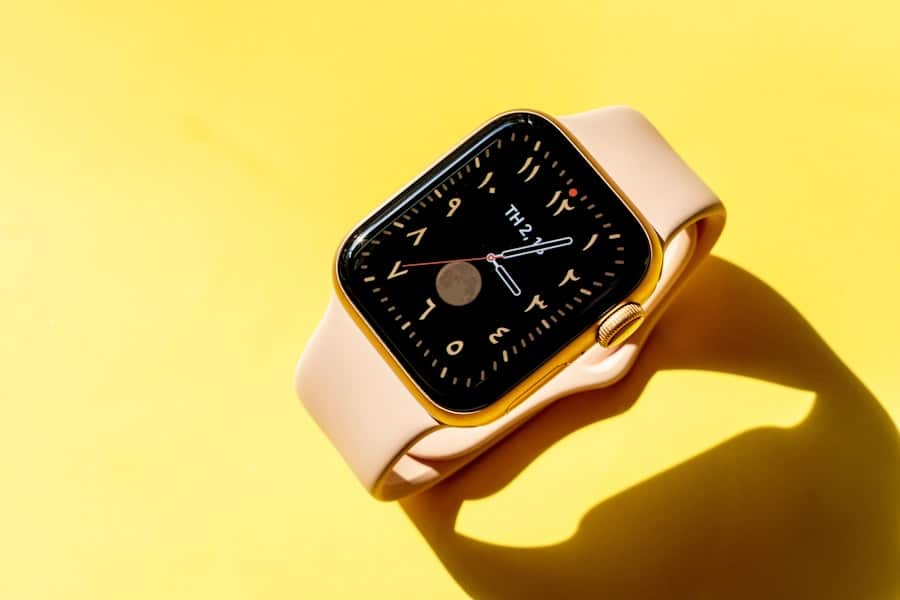
The impact of smart watches on the fitness industry cannot be overstated. With their ability to monitor physical activity in real-time, these devices have transformed how individuals approach their fitness journeys. You can now track your workouts with precision, whether you’re running, cycling, or engaging in strength training.
The data collected by your smart watch can help you identify patterns in your activity levels and make informed decisions about your fitness routine. Moreover, smart watches have made fitness more accessible and engaging for people of all ages and fitness levels. Many devices come equipped with guided workouts and coaching features that provide you with personalized training plans based on your goals and current fitness level.
This level of customization encourages you to stay motivated and accountable, making it easier to stick to your fitness regimen.
The Impact of Smart Watches on Health Tracking
In recent years, health tracking has emerged as one of the most significant benefits of smart watches. These devices empower you to take control of your health by providing valuable insights into various metrics that were once only available through medical professionals. For instance, continuous heart rate monitoring allows you to observe fluctuations throughout the day, helping you identify potential issues before they escalate.
This proactive approach to health management can lead to early detection of conditions such as arrhythmias or other cardiovascular concerns. Furthermore, many smart watches now include features that track sleep patterns, offering insights into the quality and duration of your rest. Understanding your sleep habits can help you make necessary adjustments to improve your overall well-being.
Some models even provide guided breathing exercises or mindfulness sessions to help reduce stress levels. By integrating these health-tracking capabilities into your daily routine, you can cultivate healthier habits and make informed decisions about your lifestyle choices.
The Role of Smart Watches in Everyday Life
Smart watches have seamlessly integrated into everyday life, serving as multifunctional tools that enhance convenience and efficiency. You can use them for various tasks beyond fitness tracking; for instance, they can help you manage your calendar by sending reminders for appointments or important events. This feature is particularly useful for busy individuals who need assistance staying organized amidst their hectic schedules.
Additionally, smart watches have become essential for those who prioritize connectivity without being tethered to their phones. You can receive notifications for messages, emails, and social media updates directly on your wrist, allowing you to stay informed without constantly checking your phone. This level of accessibility is especially beneficial during meetings or social gatherings where pulling out your phone may be considered impolite.
As a result, smart watches have evolved into indispensable companions that enhance both productivity and social interactions.
The Future of Smart Watches
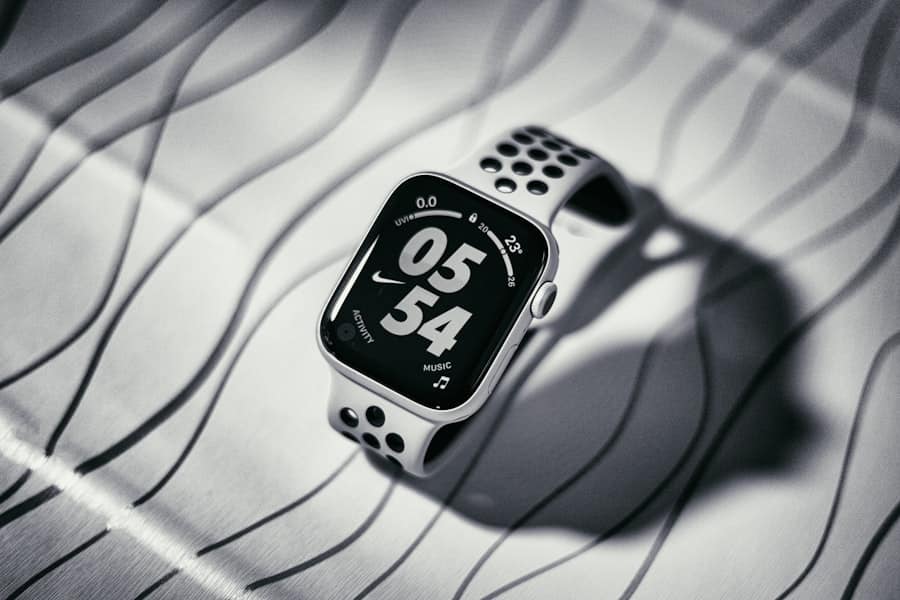
Looking ahead, the future of smart watches appears promising as technology continues to advance at an unprecedented pace. One area poised for growth is the integration of artificial intelligence (AI) into smart watch functionalities. Imagine having a device that learns your habits over time and provides personalized recommendations based on your preferences and routines.
This could revolutionize how you interact with technology, making it more intuitive and tailored to your needs. Moreover, advancements in battery technology may lead to longer-lasting devices that require less frequent charging.
Additionally, as health monitoring becomes increasingly important in society, we can expect future models to incorporate even more sophisticated health tracking features, potentially including non-invasive blood glucose monitoring or advanced stress management tools.
Choosing the Right Smart Watch for You
With a plethora of options available on the market today, selecting the right smart watch can feel overwhelming. To make an informed decision, it’s essential to consider what features matter most to you. If fitness tracking is a priority, look for models that offer comprehensive health metrics such as heart rate monitoring, GPS tracking, and compatibility with popular fitness apps.
On the other hand, if you’re more interested in connectivity features like notifications and messaging capabilities, focus on models that excel in those areas. Another crucial factor is compatibility with your smartphone’s operating system. Some smart watches are designed specifically for iOS or Android devices, so ensure that the model you choose will work seamlessly with your existing technology.
Additionally, consider factors such as battery life, design aesthetics, and price point when making your selection. By evaluating these aspects carefully, you can find a smart watch that aligns perfectly with your lifestyle and preferences.
Tips for Getting the Most Out of Your Smart Watch
To maximize the benefits of your smart watch, it’s essential to familiarize yourself with its features and functionalities fully. Start by exploring the settings and customizing notifications according to your preferences; this will help you stay organized without feeling overwhelmed by constant alerts. Additionally, take advantage of any available apps that can enhance your experience—whether it’s fitness tracking apps or productivity tools.
Regularly updating your device’s software is also crucial for optimal performance and security. Manufacturers often release updates that introduce new features or improve existing ones; staying current ensures you’re getting the most out of your investment. Lastly, don’t hesitate to experiment with different settings or features; discovering what works best for you can lead to a more enjoyable and productive experience with your smart watch.
In conclusion, smart watches have come a long way since their inception and continue to evolve rapidly. With their diverse features and functions impacting various aspects of life—from fitness tracking to everyday convenience—they have become indispensable tools for many individuals. As technology advances further into the future, these devices will likely become even more integrated into our lives, offering new possibilities for health management and connectivity.
By choosing the right model and utilizing its features effectively, you can enhance both your productivity and well-being in today’s fast-paced world.
Smart watches have become increasingly popular in recent years, offering a wide range of features that go beyond just telling time. One related article worth checking out is a review of the EF ECOFLOW Generator, a high-efficiency emergency power solution. This article discusses how this innovative product can provide reliable power during emergencies or outdoor adventures, making it a valuable tool to have on hand. With the rise of technology like smart watches and portable power solutions, it’s clear that consumers are looking for products that offer both convenience and functionality. Check out the EF ECOFLOW Generator review here.
FAQs
What is a smart watch?
A smart watch is a wearable device that offers functionality beyond traditional timekeeping. It typically connects to a smartphone and can display notifications, track fitness metrics, and run various apps.
What features do smart watches typically have?
Smart watches often include features such as heart rate monitoring, GPS tracking, activity tracking, sleep monitoring, and the ability to make and receive calls and messages.
How do smart watches connect to smartphones?
Smart watches can connect to smartphones via Bluetooth, allowing them to receive notifications, calls, and messages from the paired device. Some smart watches also have the ability to connect to the internet independently through Wi-Fi or cellular connectivity.
What are the benefits of using a smart watch?
Smart watches offer the convenience of having notifications and important information readily accessible on your wrist. They also provide fitness tracking and health monitoring features, and can serve as a convenient extension of your smartphone.
Are smart watches compatible with all smartphones?
Most smart watches are designed to be compatible with both Android and iOS smartphones, but it’s important to check the specific compatibility of a smart watch with your smartphone before making a purchase.
How long does the battery of a smart watch typically last?
The battery life of a smart watch can vary depending on usage and the specific model, but most smart watches can last anywhere from one to several days on a single charge. Some models may offer longer battery life in low-power mode.