In the world of wildlife observation and outdoor photography, trail cameras have become indispensable tools. They allow you to capture stunning images and videos of wildlife in their natural habitats without disturbing them. However, one of the most significant challenges you may face is keeping your trail camera powered for extended periods.
This is where solar trailcam power kits come into play. These innovative solutions harness the sun’s energy to keep your camera running, ensuring you never miss a moment of action in the wild. Solar trailcam power kits are designed to provide a sustainable and reliable power source for your trail cameras.
By utilizing solar panels and rechargeable batteries, these kits can extend the operational life of your camera significantly. Whether you’re monitoring a specific area for wildlife research or simply want to capture the beauty of nature, investing in a solar power kit can enhance your experience and provide peace of mind knowing that your camera will remain functional for longer periods.
Key Takeaways
- Solar trailcam power kits provide a sustainable and reliable power source for trail cameras in remote locations.
- Understanding the capabilities and limitations of solar panels and batteries is crucial for selecting the right components for your trailcam power kit.
- When choosing a solar panel for your trailcam, consider factors such as size, efficiency, and weather resistance to ensure optimal performance.
- Selecting the right battery for your solar trailcam power kit involves considering capacity, voltage, and compatibility with solar charging systems.
- Proper installation, setup, and maintenance are essential for maximizing the efficiency and longevity of your solar trailcam power kit.
Understanding Solar Panels and Batteries
To fully appreciate the benefits of solar trailcam power kits, it’s essential to understand how solar panels and batteries work together. Solar panels convert sunlight into electricity through photovoltaic cells. When sunlight hits these cells, it generates direct current (DC) electricity, which can be used to power devices or charge batteries.
The efficiency of a solar panel depends on various factors, including its size, the quality of the materials used, and the amount of sunlight it receives. Batteries play a crucial role in storing the energy generated by solar panels. In a solar trailcam power kit, batteries are typically rechargeable lithium-ion or lead-acid types.
These batteries store excess energy produced during sunny days, allowing your trail camera to operate even when sunlight is scarce, such as during cloudy days or at night. Understanding the interplay between solar panels and batteries will help you make informed decisions when selecting components for your solar trailcam power kit.
Choosing the Right Solar Panel for Your Trailcam
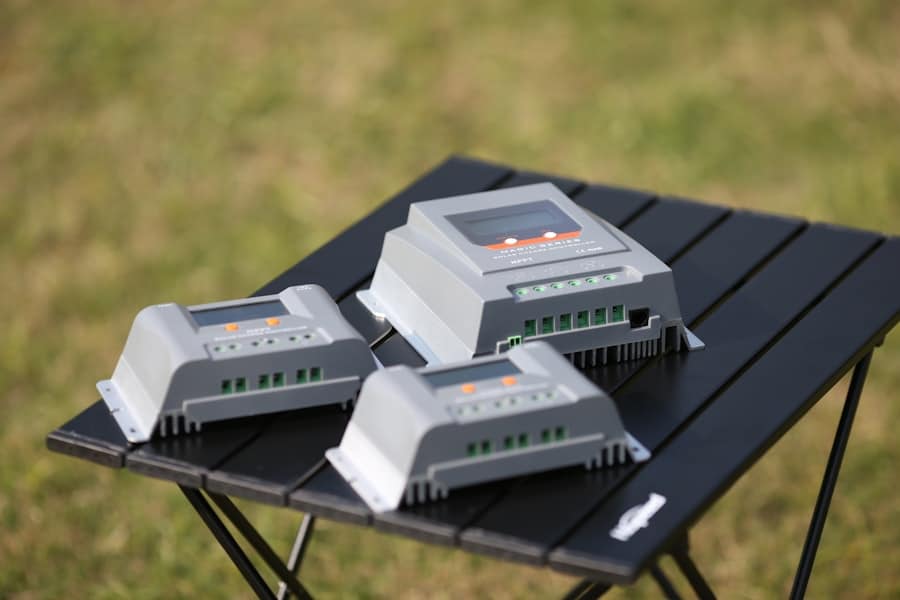
When selecting a solar panel for your trail camera, several factors come into play. First and foremost, consider the wattage output of the panel. A higher wattage panel will generate more electricity, which is particularly beneficial if you plan to use your camera in remote locations with limited sunlight exposure.
Look for panels that offer at least 10 to 20 watts of output for optimal performance. Another important consideration is the size and weight of the solar panel. If you’re planning to mount your trail camera in a remote area, you’ll want a panel that is lightweight and easy to transport.
Additionally, consider the mounting options available with the panel. Some kits come with adjustable brackets or straps that allow you to position the panel for maximum sun exposure, which can significantly enhance its efficiency.
Selecting the Right Battery for Your Solar Trailcam Power Kit
Choosing the right battery is just as crucial as selecting an appropriate solar panel. The capacity of the battery, measured in amp-hours (Ah), determines how long it can power your trail camera before needing a recharge. For most trail cameras, a battery with a capacity of at least 10Ah should suffice, but if you plan on using your camera frequently or in remote locations, consider opting for a higher capacity battery.
Additionally, pay attention to the battery’s discharge rate and lifespan. Lithium-ion batteries are often preferred due to their longer lifespan and lower self-discharge rates compared to lead-acid batteries. This means they can hold their charge longer when not in use, making them ideal for trail cameras that may not be accessed frequently.
Ultimately, selecting a battery that complements your solar panel will ensure that your trail camera remains powered throughout its operational life.
Installing and Setting Up Your Solar Trailcam Power Kit
Once you’ve selected your solar panel and battery, it’s time to install and set up your solar trailcam power kit. Start by choosing an optimal location for both the solar panel and the trail camera. Ideally, the solar panel should be positioned where it can receive direct sunlight for most of the day, while the camera should be placed strategically to capture wildlife activity.
Begin by mounting the solar panel securely using brackets or straps provided in your kit. Ensure that it is angled correctly to maximize sun exposure throughout the day. Next, connect the battery to the solar panel according to the manufacturer’s instructions.
Most kits come with clear guidelines on how to make these connections safely and efficiently. Finally, attach your trail camera to its mount and connect it to the battery, ensuring all connections are secure.
Maintaining and Troubleshooting Your Solar Trailcam Power Kit
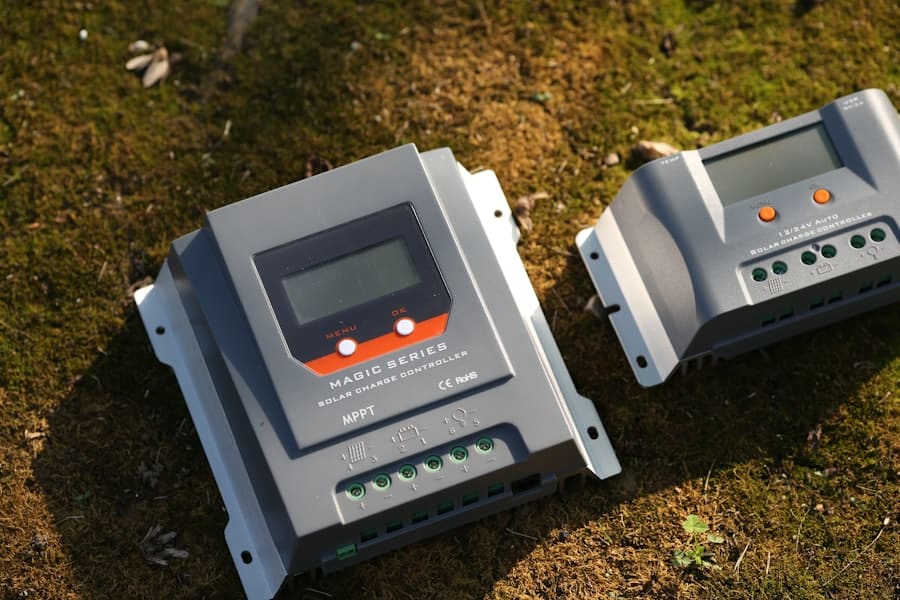
Maintaining your solar trailcam power kit is essential for ensuring its longevity and optimal performance. Regularly check the solar panel for dirt or debris that may obstruct sunlight from reaching it. Cleaning the panel with a soft cloth can help maintain its efficiency.
Additionally, inspect all connections between the solar panel, battery, and trail camera to ensure they remain secure and free from corrosion. If you encounter issues with your solar power kit, troubleshooting is key. Start by checking if the solar panel is receiving adequate sunlight; if not, reposition it as necessary.
If your trail camera isn’t functioning as expected, verify that the battery is charged and properly connected. In some cases, resetting the camera or replacing its batteries may resolve any operational issues.
Maximizing the Efficiency of Your Solar Trailcam Power Kit
To get the most out of your solar trailcam power kit, consider implementing strategies that enhance its efficiency. One effective method is to adjust the settings on your trail camera to minimize power consumption. For instance, reducing the frequency of image captures or lowering video resolution can significantly extend battery life.
Additionally, consider using energy-efficient models of trail cameras that are designed specifically for extended use with solar power kits. These cameras often have features such as motion detection that only activate when wildlife is present, conserving energy when no activity is detected. By combining these strategies with a well-placed solar panel and high-capacity battery, you can maximize the performance of your solar trailcam power kit.
Benefits of Using Solar Power for Trailcams
The advantages of using solar power for your trail cameras are numerous and compelling. First and foremost, solar energy is renewable and environmentally friendly, allowing you to monitor wildlife without contributing to pollution or depleting natural resources. This sustainable approach not only benefits you but also supports conservation efforts by minimizing your ecological footprint.
Moreover, solar power provides a reliable energy source that can keep your trail camera operational for extended periods without frequent battery changes or recharges. This means you can set up your camera in remote locations without worrying about access to electrical outlets or running out of battery life during critical observation periods. Ultimately, using solar power enhances your ability to capture stunning wildlife moments while promoting responsible outdoor practices.
Considerations for Different Weather Conditions
When using a solar trailcam power kit, it’s essential to consider how different weather conditions can impact performance. For instance, cloudy or rainy days may reduce sunlight exposure and subsequently affect the efficiency of your solar panel. To mitigate this issue, ensure that your battery has sufficient capacity to store energy generated during sunny days so it can power your camera during less favorable weather.
Additionally, extreme temperatures can affect both solar panels and batteries. In colder climates, batteries may lose charge more quickly, while excessive heat can reduce their lifespan. To combat these challenges, consider insulating your battery or placing it in a shaded area while ensuring that your solar panel remains exposed to sunlight.
Comparison of Different Solar Trailcam Power Kits
With various solar trailcam power kits available on the market, it’s essential to compare features and specifications before making a purchase decision. Look for kits that offer high-quality solar panels with efficient wattage output and durable construction designed for outdoor use. Additionally, consider battery capacity and type; lithium-ion batteries are often preferred due to their longevity and efficiency.
Another factor to consider is ease of installation and setup. Some kits come with user-friendly instructions and all necessary components included, while others may require additional purchases or complex setups. Reading customer reviews can provide valuable insights into real-world performance and reliability, helping you make an informed choice that meets your specific needs.
Conclusion and Final Recommendations
In conclusion, investing in a solar trailcam power kit can significantly enhance your wildlife observation experience while promoting sustainable practices in outdoor photography. By understanding how solar panels and batteries work together, choosing the right components, and implementing effective maintenance strategies, you can ensure that your trail camera remains powered throughout its operational life. As you explore different options available on the market, prioritize quality over cost and consider factors such as efficiency, ease of installation, and compatibility with your existing equipment.
With careful planning and consideration, you’ll be well-equipped to capture breathtaking moments in nature while minimizing your environmental impact through renewable energy solutions.
If you’re interested in solar-powered technology like the Solar Trailcam Power Kits Panel + Battery, you may also want to check out the review of the Ohwoai Wireless Security Camera System. This article discusses another innovative product that utilizes solar energy to provide security and surveillance capabilities. Both the Solar Trailcam Power Kits Panel + Battery and the Ohwoai Wireless Security Camera System showcase the potential of renewable energy sources in modern technology.
FAQs
What is a solar trailcam power kit panel + battery?
A solar trailcam power kit panel + battery is a system designed to power trail cameras using solar energy. It typically consists of a solar panel, a rechargeable battery, and the necessary cables and connectors.
How does a solar trailcam power kit panel + battery work?
The solar panel collects sunlight and converts it into electricity, which is then used to charge the battery. The battery stores the energy and powers the trail camera, ensuring continuous operation even in remote locations without access to traditional power sources.
What are the benefits of using a solar trailcam power kit panel + battery?
Using a solar trailcam power kit panel + battery eliminates the need for frequent battery replacements or the use of traditional power sources. It is a sustainable and cost-effective solution for powering trail cameras in outdoor environments.
Are solar trailcam power kit panel + battery systems weatherproof?
Many solar trailcam power kit panel + battery systems are designed to be weatherproof and can withstand exposure to the elements, making them suitable for outdoor use in various environmental conditions.
Can a solar trailcam power kit panel + battery be used with any trail camera?
Most solar trailcam power kit panel + battery systems are designed to be compatible with a wide range of trail cameras. However, it is important to check the specifications and compatibility of the system with the specific trail camera model before making a purchase.