When you embark on your outdoor adventures, whether birdwatching, hunting, or simply observing nature, the stability of your equipment is paramount. A stable base is essential for achieving clear and sharp images through your spotting scope. Without it, even the slightest movement can lead to frustratingly blurry views.
You may find yourself straining to focus on a distant object, only to have it slip out of view due to the instability of your setup. This is where a reliable tripod comes into play, providing the necessary support to keep your spotting scope steady. Moreover, a stable base enhances your overall experience.
It allows you to enjoy the beauty of nature without the distraction of shaky images. When you have confidence in your equipment, you can focus on what truly matters: observing wildlife, appreciating landscapes, or capturing that perfect shot. A solid tripod not only improves your viewing experience but also extends the life of your spotting scope by minimizing vibrations and potential damage caused by unsteady handling.
Key Takeaways
- A stable base is crucial for a spotting scope to achieve clear and steady views.
- Types of spotting scope tripods include tabletop, compact, and full-size tripods, each with its own advantages.
- When choosing a spotting scope tripod, look for features such as adjustable height, sturdy construction, and compatibility with your spotting scope.
- Understanding fluid heads is important for smooth panning and tilting movements when using a spotting scope.
- Using a fluid head with a spotting scope provides benefits such as smooth and precise movements, making it easier to track moving subjects.
Types of Spotting Scope Tripods
As you explore the world of spotting scope tripods, you’ll discover a variety of types designed to meet different needs and preferences. The most common types include aluminum tripods, carbon fiber tripods, and compact travel tripods. Aluminum tripods are often favored for their durability and affordability.
They provide a sturdy base for your spotting scope but can be heavier than other options, which may be a consideration if you’re planning to hike long distances. On the other hand, carbon fiber tripods are lightweight and offer excellent stability, making them ideal for those who prioritize portability without sacrificing performance. These tripods are often more expensive but are worth the investment if you frequently travel or hike with your spotting scope.
Compact travel tripods are designed for convenience and ease of transport. They are typically smaller and lighter, making them perfect for those who need a portable solution without compromising too much on stability.
Features to Look for in a Spotting Scope Tripod
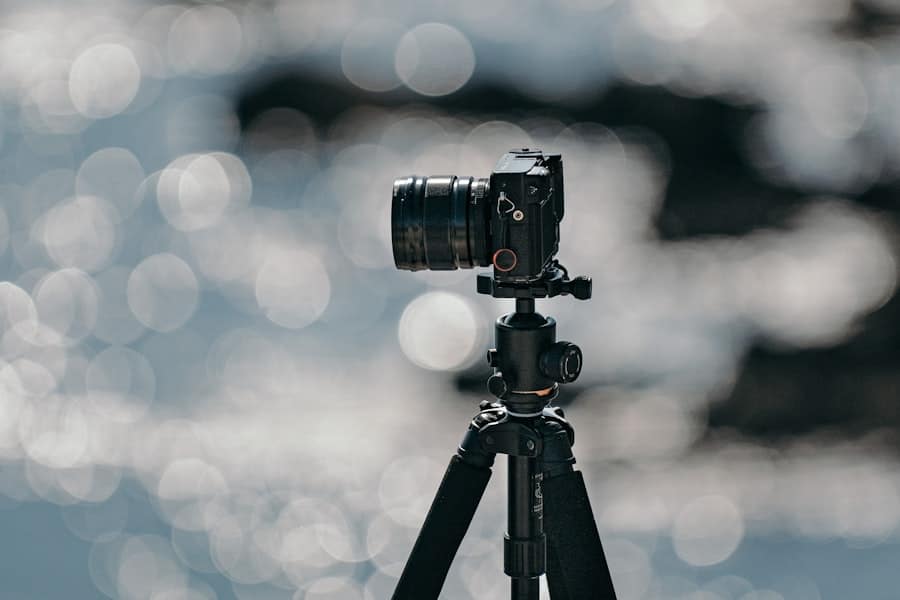
When selecting a spotting scope tripod, there are several key features you should consider to ensure it meets your needs. First and foremost, look for adjustable height settings. A tripod that can be easily adjusted allows you to customize the height according to your viewing position, whether you’re sitting or standing.
This flexibility is crucial for comfort during extended observation sessions. Another important feature is the tripod’s weight capacity. Ensure that the tripod can support the weight of your spotting scope and any additional accessories you may use.
A tripod with a higher weight capacity will provide added stability and reduce the risk of tipping over in windy conditions. Additionally, consider the leg locking mechanism; twist locks or flip locks can affect how quickly and securely you can set up your tripod in the field.
Understanding Fluid Heads
Fluid heads are an essential component of many spotting scope setups, providing smooth panning and tilting movements that enhance your viewing experience. Unlike traditional pan-and-tilt heads, fluid heads use a viscous fluid to dampen movement, allowing for controlled adjustments without jerky motions. This is particularly beneficial when tracking fast-moving subjects or when you want to make subtle adjustments to your scope’s position.
When choosing a fluid head, it’s important to understand its specifications and how they relate to your needs. Look for features such as adjustable drag settings, which allow you to customize the resistance when panning or tilting. This can be especially useful when observing wildlife that may move unpredictably.
Additionally, consider the quick-release plate system; a good fluid head will have a secure yet easy-to-use mechanism for attaching and detaching your spotting scope.
Benefits of Using a Fluid Head with a Spotting Scope
Incorporating a fluid head into your spotting scope setup offers numerous advantages that can significantly enhance your observational experience. One of the primary benefits is the ability to achieve smooth and precise movements when tracking subjects. Whether you’re following a bird in flight or scanning a vast landscape, a fluid head allows for effortless adjustments without disturbing your view.
Furthermore, fluid heads provide greater control over your spotting scope’s positioning. With adjustable drag settings, you can fine-tune the resistance based on your preferences and the conditions you’re facing. This level of control is particularly valuable in dynamic environments where quick adjustments are necessary.
Ultimately, using a fluid head can transform your spotting experience from one of frustration to one of fluidity and ease.
Factors to Consider When Choosing a Fluid Head
When selecting a fluid head for your spotting scope, several factors come into play that can influence your decision. First and foremost, consider the weight capacity of the fluid head. Ensure it can comfortably support your spotting scope’s weight along with any additional accessories you may use.
A head with a higher weight capacity will provide added stability and peace of mind during use. Another critical factor is the type of mounting plate used by the fluid head. Quick-release plates are popular for their convenience, allowing you to easily attach and detach your spotting scope as needed.
Look for a system that is compatible with your specific spotting scope model to avoid any compatibility issues down the line. Additionally, consider the overall build quality of the fluid head; materials such as aluminum or magnesium alloy offer durability while keeping weight manageable.
Compatibility Between Tripods and Fluid Heads
Ensuring compatibility between your tripod and fluid head is crucial for achieving optimal performance in the field. Not all tripods are designed to accommodate every type of fluid head, so it’s essential to check specifications before making a purchase. Most tripods come with a standard mounting plate or screw size (usually 1/4″-20 or 3/8″-16), which should match the mounting system of your fluid head.
Additionally, consider the height and design of both components. A fluid head that is too tall may raise your spotting scope higher than desired, affecting stability and ease of use. Conversely, a low-profile head may limit your ability to adjust angles effectively.
By ensuring compatibility between your tripod and fluid head, you can create a cohesive setup that enhances your overall viewing experience.
Setting Up and Adjusting a Spotting Scope Tripod and Fluid Head
Setting up your spotting scope tripod and fluid head may seem straightforward, but taking the time to do it correctly can make all the difference in your observational experience. Begin by extending the tripod legs to an appropriate height for your viewing position. Make sure each leg is securely locked in place before proceeding to attach the fluid head.
Once the fluid head is mounted onto the tripod, attach your spotting scope using the quick-release plate system if available. Take a moment to adjust the tension settings on the fluid head; this will allow for smoother movements when panning or tilting. Finally, step back and assess the stability of your setup before diving into observation mode—making any necessary adjustments will ensure you have a solid foundation for viewing.
Tips for Proper Maintenance of Tripods and Fluid Heads
To ensure longevity and optimal performance from your tripod and fluid head, regular maintenance is essential. Start by cleaning both components after each use; dirt and debris can accumulate in joints and moving parts, leading to wear over time. Use a soft cloth or brush to remove any particles from the legs and head, paying special attention to locking mechanisms.
Additionally, periodically check all screws and connections for tightness; vibrations during use can cause them to loosen over time. If you notice any signs of wear or damage, address them promptly to prevent further issues down the line. By taking these simple maintenance steps, you can extend the life of your tripod and fluid head while ensuring they perform at their best during every outing.
Using Spotting Scope Tripods and Fluid Heads for Different Activities
Spotting scope tripods and fluid heads are versatile tools that can enhance various outdoor activities beyond traditional birdwatching or wildlife observation. For instance, if you’re an avid photographer, using a spotting scope with a tripod can help you capture stunning images of distant landscapes or wildlife without introducing camera shake. Additionally, these setups are invaluable for stargazing enthusiasts who require stable platforms for their telescopes or binoculars.
The ability to smoothly adjust angles with a fluid head allows for easy tracking of celestial objects as they move across the night sky. No matter what activity you engage in, having a reliable tripod and fluid head combination will elevate your experience.
Comparing Different Brands and Models of Tripods and Fluid Heads
As you delve into the world of tripods and fluid heads, you’ll encounter various brands and models that cater to different needs and budgets. Some well-known brands include Manfrotto, Gitzo, Vanguard, and Benro—each offering unique features that may appeal to different users. When comparing models, consider factors such as build quality, weight capacity, height range, and user reviews.
It’s also beneficial to visit local outdoor retailers or trade shows where you can physically handle different models before making a decision. Pay attention to how each tripod feels in terms of weight distribution and ease of adjustment; personal comfort is key when selecting equipment you’ll rely on during long observation sessions. By conducting thorough research and comparisons, you’ll be better equipped to choose the right tripod and fluid head combination that meets your specific needs.
In conclusion, investing in a quality spotting scope tripod and fluid head is essential for enhancing your outdoor observation experiences. By understanding their importance, exploring different types and features, and considering compatibility factors, you can create an effective setup tailored to your needs. With proper maintenance and care, these tools will serve you well on countless adventures into nature’s wonders.
If you’re looking to enhance your outdoor adventures with top-notch gear, you may also be interested in the Alpicool C15 Portable Freezer. This portable freezer is perfect for keeping your food and drinks cold while on the go. Additionally, if you’re planning a road trip or need help navigating unfamiliar terrain, the Garmin Drive 53 Traffic GPS Navigator is a great tool to have. And for those who enjoy fishing, the Lowrance Elite FS 9 Fish Finder with Active Imaging 3-in-1 Transducer can help you locate the best fishing spots with ease.
FAQs
What is a spotting scope tripod?
A spotting scope tripod is a three-legged stand designed to support and stabilize a spotting scope for viewing distant objects. It is an essential accessory for birdwatching, hunting, and other outdoor activities.
What is a fluid head?
A fluid head is a type of tripod head that provides smooth and fluid movement for panning and tilting. It is commonly used for video cameras and spotting scopes to capture steady and controlled motion.
Why is a spotting scope tripod important?
A spotting scope tripod is important because it provides stability and support for the spotting scope, allowing for steady and clear viewing of distant objects. It also reduces hand fatigue and allows for hands-free use.
What should I consider when choosing a spotting scope tripod?
When choosing a spotting scope tripod, consider factors such as weight capacity, height adjustability, stability, portability, and compatibility with your spotting scope. Additionally, consider the type of terrain and conditions in which you will be using the tripod.
What are the benefits of using a fluid head with a spotting scope tripod?
Using a fluid head with a spotting scope tripod allows for smooth and controlled panning and tilting movements, making it easier to track moving objects and capture steady footage. It also enhances the overall viewing experience by providing fluid motion.