When it comes to outdoor observation, whether for birdwatching, hunting, or simply enjoying nature, spotting scopes have become indispensable tools. Among the various options available, those equipped with 65–85mm HD-ED (High Definition Extra-low Dispersion) glass stand out for their exceptional clarity and performance. These scopes are designed to provide you with a superior viewing experience, allowing you to see distant objects in stunning detail.
The combination of a larger objective lens and advanced glass technology means that you can enjoy bright, sharp images even in low-light conditions. The 65–85mm range strikes a perfect balance between portability and performance. While smaller scopes may be easier to carry, they often compromise on image quality and light-gathering ability.
On the other hand, larger scopes can be cumbersome and less practical for field use. By choosing a spotting scope within this range, you can enjoy the best of both worlds—compact enough for easy transport while still delivering impressive optical performance. As you delve deeper into the world of spotting scopes, understanding the significance of HD-ED glass will be crucial in making an informed decision.
Key Takeaways
- Hd-ed glass in spotting scopes provides superior image quality and color fidelity, making it a crucial feature to consider when choosing a spotting scope.
- 65–85mm spotting scopes offer a balance between portability and light-gathering ability, making them versatile for various outdoor activities such as birdwatching, hunting, and nature observation.
- When choosing a spotting scope with Hd-ed glass, factors to consider include magnification, objective lens size, field of view, and eye relief to ensure the best performance for your specific needs.
- Different brands and models of 65–85mm Hd-ed glass spotting scopes vary in terms of features, price, and performance, so it’s important to compare and research before making a purchase.
- Proper maintenance, care, and accessories such as tripod mounts and digiscoping adapters can enhance the performance and longevity of your 65–85mm Hd-ed glass spotting scope.
Understanding the Importance of Hd-ed Glass in Spotting Scopes
HD-ED glass is a game-changer in the realm of optics. This specialized glass is engineered to minimize chromatic aberration, which is the distortion that occurs when different colors of light do not converge at the same point. When you look through a spotting scope with HD-ED glass, you will notice that colors appear more vibrant and true to life.
This is particularly important when observing wildlife or landscapes, as accurate color representation can enhance your overall experience. Moreover, HD-ED glass contributes to improved light transmission. This means that even in challenging lighting conditions—such as dawn or dusk—you can expect bright and clear images.
The enhanced contrast and resolution provided by HD-ED glass allow you to discern fine details that might otherwise be lost with standard glass. As you explore various spotting scopes, keep in mind that the quality of the glass used can significantly impact your viewing experience.
The Benefits of 65–85mm Spotting Scopes
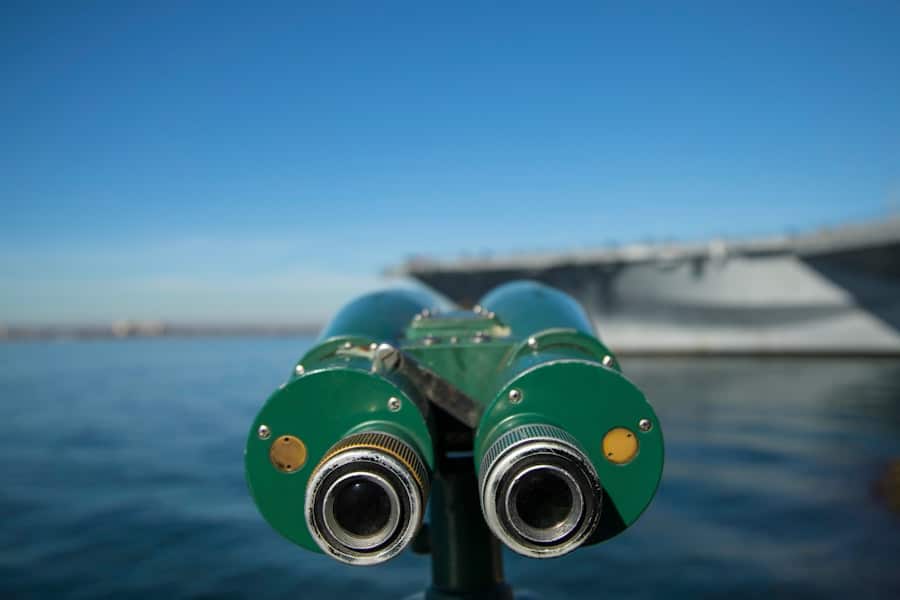
One of the primary advantages of 65–85mm spotting scopes is their versatility. With a larger objective lens, these scopes can gather more light, making them ideal for a variety of applications. Whether you’re observing birds in the early morning or scanning a vast landscape at sunset, the increased light-gathering capability ensures that you won’t miss any details.
This versatility makes them suitable for both casual observers and serious enthusiasts alike. Additionally, the size of these scopes allows for higher magnification options without sacrificing image quality. You can zoom in on distant subjects while still enjoying a stable and clear view.
This is particularly beneficial for activities like wildlife photography or long-range shooting, where precision is key. The combination of size and optical quality makes 65–85mm spotting scopes a popular choice among outdoor enthusiasts who demand performance without compromising on portability.
Factors to Consider When Choosing a Spotting Scope with Hd-ed Glass
When selecting a spotting scope with HD-ED glass, several factors come into play that can influence your decision. First and foremost is the magnification range. Depending on your intended use, you may prefer a scope with higher magnification for detailed observations or a lower magnification for wider field views.
Understanding your specific needs will help you narrow down your options effectively. Another critical factor is the scope’s weight and portability. If you plan to carry your spotting scope on long hikes or trips, you’ll want to consider how much it weighs and how easy it is to pack.
Look for models that offer a good balance between size and weight without compromising on optical performance. Additionally, consider the type of tripod or mounting system you’ll need; stability is essential for achieving clear images at higher magnifications.
Comparing Different Brands and Models of 65–85mm Hd-ed Glass Spotting Scopes
As you explore the market for 65–85mm HD-ED glass spotting scopes, you’ll encounter various brands and models, each with its unique features and specifications. Some well-known brands have established themselves as leaders in the optics industry due to their commitment to quality and innovation. When comparing different models, pay attention to factors such as build quality, warranty options, and customer reviews.
It’s also essential to consider the specific features that may enhance your experience. For instance, some models come equipped with advanced coatings that further improve light transmission and reduce glare. Others may offer adjustable eyecups for comfortable viewing or waterproof and fog-proof designs for all-weather use.
By carefully evaluating these aspects, you can find a spotting scope that aligns perfectly with your needs and preferences.
Tips for Using Spotting Scopes 65–85mm Hd-ed Glass
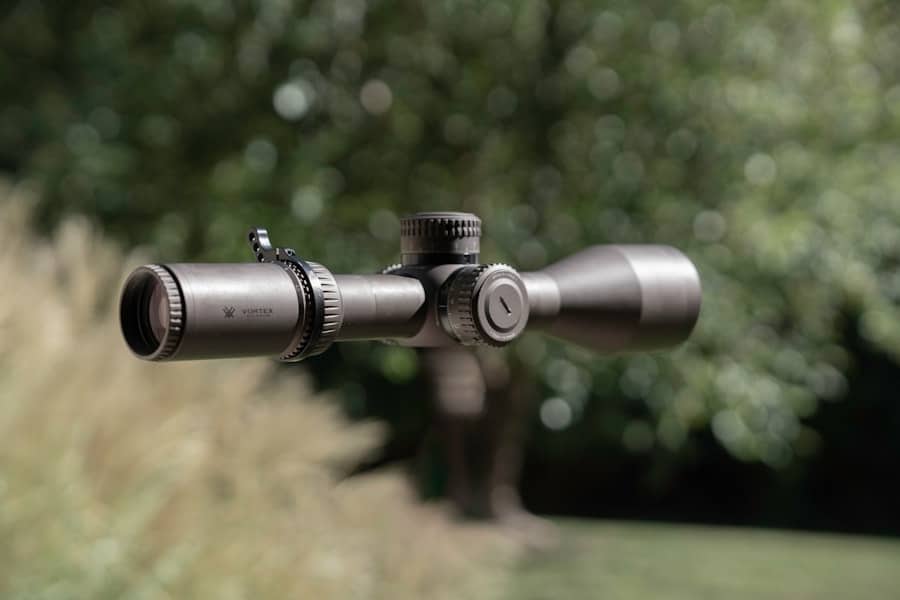
Using a spotting scope effectively requires some practice and technique. One of the first tips is to ensure that your scope is properly mounted on a sturdy tripod. A stable base is crucial for achieving clear images, especially at higher magnifications where even slight movements can lead to blurriness.
Take the time to adjust the tripod height so that you can comfortably view through the eyepiece without straining your neck or back. Another important aspect is to familiarize yourself with the focus mechanism of your scope. Many models feature both coarse and fine focus adjustments, allowing you to quickly bring distant objects into sharp view.
Practice using these adjustments in various lighting conditions to understand how they affect image clarity. Additionally, consider using a lens cover when not in use to protect the optics from dust and scratches.
Maintenance and Care for Hd-ed Glass Spotting Scopes
To ensure that your HD-ED glass spotting scope remains in optimal condition, regular maintenance is essential. Start by keeping the exterior clean; use a soft microfiber cloth to wipe away dust and fingerprints from the lenses and body. Avoid using harsh chemicals or abrasive materials that could damage the optics or coatings.
It’s also wise to store your spotting scope in a protective case when not in use. This will shield it from potential impacts and environmental factors that could affect its performance over time. If you frequently use your scope in varying weather conditions, consider investing in additional protective gear such as rain covers or lens caps designed specifically for your model.
Accessories and Add-ons for Enhancing the Performance of 65–85mm Spotting Scopes
Enhancing your spotting scope experience can be achieved through various accessories and add-ons designed to improve functionality and convenience. One popular accessory is a high-quality tripod that provides stability during extended viewing sessions. Look for tripods with adjustable legs and heads that allow for smooth panning and tilting.
Another valuable addition is an angled eyepiece, which can make it easier to observe subjects at different heights without straining your neck. Additionally, consider investing in filters that can enhance contrast or reduce glare during bright conditions. These accessories not only improve your viewing experience but also help protect your investment in high-quality optics.
How to Properly Mount and Position a Spotting Scope with Hd-ed Glass
Proper mounting and positioning of your spotting scope are crucial for achieving optimal performance. Begin by selecting a sturdy tripod that can support the weight of your scope while allowing for smooth adjustments. When attaching the scope to the tripod head, ensure that it is securely fastened to prevent any wobbling during use.
Positioning your spotting scope at eye level will enhance comfort during extended viewing sessions. If you’re observing from a seated position, adjust the tripod height accordingly so that you can easily look through the eyepiece without straining your back or neck. Additionally, consider using an angled eyepiece if you’re observing subjects at varying heights; this will allow for more comfortable viewing angles without needing to reposition the entire setup frequently.
Applications and Uses of 65–85mm Hd-ed Glass Spotting Scopes
The applications of 65–85mm HD-ED glass spotting scopes are vast and varied, making them suitable for numerous outdoor activities. Birdwatchers often rely on these scopes to observe avian species from a distance without disturbing their natural behavior. The clarity provided by HD-ED glass allows birders to identify subtle markings and colors that are essential for accurate identification.
Hunters also benefit from these scopes during scouting trips or while waiting in blinds. The ability to spot game from afar without alerting them is invaluable in ensuring a successful hunt. Additionally, nature enthusiasts use these scopes for landscape observation, allowing them to appreciate distant vistas in stunning detail.
Whether you’re an avid birdwatcher, hunter, or simply someone who enjoys exploring nature, a 65–85mm HD-ED glass spotting scope can significantly enhance your outdoor experiences.
Conclusion and Final Thoughts on Spotting Scopes 65–85mm Hd-ed Glass
In conclusion, investing in a 65–85mm HD-ED glass spotting scope can elevate your outdoor observation experiences significantly. The combination of advanced optical technology and practical size makes these scopes ideal for various applications—from birdwatching to hunting and beyond. By understanding the importance of HD-ED glass, considering essential factors when choosing a model, and utilizing proper techniques for use and maintenance, you can maximize your enjoyment of this powerful tool.
As you embark on your journey into the world of spotting scopes, remember that each model offers unique features tailored to different needs. Take your time exploring various brands and options until you find one that resonates with your specific requirements. With the right spotting scope by your side, you’ll be well-equipped to discover the beauty of nature like never before.
If you’re looking to enhance your outdoor adventures with a high-quality spotting scope like the Spotting Scopes 65–85mm Hd-ed Glass, you may also be interested in improving your indoor environment with the Levoit Air Purifier. This article provides a detailed review of a top-rated air purifier that can help remove allergens and pollutants from your home, creating a healthier living space for you and your family. Investing in both a spotting scope for outdoor exploration and an air purifier for indoor comfort can greatly enhance your overall quality of life.
FAQs
What is a spotting scope?
A spotting scope is a portable telescope used for observing distant objects, often used for birdwatching, hunting, and other outdoor activities.
What does “65-85mm Hd-ed Glass” refer to in spotting scopes?
The “65-85mm” refers to the diameter of the objective lens, which determines the amount of light the scope can gather. “Hd-ed Glass” refers to the type of glass used in the lens, which provides high-definition and extra-low dispersion for improved image quality.
What are the benefits of Hd-ed Glass in spotting scopes?
Hd-ed Glass helps to reduce chromatic aberration, resulting in sharper and clearer images with better color accuracy. It also provides improved contrast and resolution, especially in challenging lighting conditions.
What are some common uses for spotting scopes?
Spotting scopes are commonly used for birdwatching, wildlife observation, hunting, target shooting, and nature photography. They are also used for outdoor activities such as hiking and camping to observe distant landscapes and wildlife.