When you think about woodworking, the table saw often comes to mind as one of the most essential tools in any craftsman’s arsenal. This powerful machine allows you to make precise cuts, whether you’re working on a small DIY project or a large construction job. However, the effectiveness of a table saw can be significantly enhanced when paired with a jobsite stand.
A jobsite stand not only provides stability and support but also makes your workspace more organized and efficient. As you delve into the world of woodworking, understanding the synergy between these two tools will elevate your craftsmanship and streamline your workflow. In this article, you will explore the various types of table saws available, the advantages of using a jobsite stand, and the factors to consider when selecting one.
You’ll also learn practical tips for setting up and using your stand effectively, as well as essential safety precautions to keep in mind. By the end, you will appreciate how investing in a quality jobsite stand can transform your woodworking experience, making it safer and more productive.
Key Takeaways
- Table saws and jobsite stands are essential tools for woodworking and construction projects.
- There are different types of table saws, including benchtop, contractor, and cabinet saws, each with its own advantages and limitations.
- Using a jobsite stand with your table saw provides portability, stability, and convenience, making it easier to transport and use your saw on job sites.
- When choosing a jobsite stand, consider factors such as weight capacity, portability, stability, and compatibility with your table saw.
- Setting up and using a jobsite stand with your table saw requires proper assembly, adjustment, and safety precautions to prevent accidents and injuries.
Understanding the Different Types of Table Saws
Before you can fully appreciate the benefits of a jobsite stand, it’s crucial to understand the different types of table saws available on the market. The most common types include cabinet saws, contractor saws, and portable table saws. Cabinet saws are known for their robust construction and precision, making them ideal for professional woodworkers who require high accuracy and durability.
If you’re serious about woodworking and have a dedicated workshop space, this type of saw might be worth considering. On the other hand, contractor saws are designed for those who need a balance between portability and performance. They are typically lighter than cabinet saws and can be easily transported to job sites.
If you find yourself moving between locations frequently, a contractor saw may be the perfect fit for your needs. Lastly, portable table saws are compact and lightweight, making them ideal for hobbyists or those with limited space. While they may not offer the same level of precision as their larger counterparts, they are incredibly versatile and can handle a variety of tasks.
The Benefits of Using a Jobsite Stand with Your Table Saw

Using a jobsite stand with your table saw offers numerous advantages that can significantly enhance your woodworking experience. One of the primary benefits is stability. A sturdy stand provides a solid foundation for your table saw, reducing vibrations and ensuring that your cuts are accurate.
This stability is especially important when working with larger sheets of material, where even the slightest movement can lead to imprecise cuts. Another significant advantage is portability. Many jobsite stands are designed to be lightweight and easy to transport, allowing you to set up your table saw wherever you need it.
This flexibility is invaluable for contractors or hobbyists who work in various locations. Additionally, many stands come with features such as foldable legs or built-in wheels, making it easy to move them from one job site to another without hassle. By investing in a quality jobsite stand, you not only improve the functionality of your table saw but also enhance your overall efficiency on the job.
Factors to Consider When Choosing a Jobsite Stand
When selecting a jobsite stand for your table saw, several factors should influence your decision. First and foremost, consider the weight capacity of the stand. You want to ensure that it can support your specific table saw model along with any materials you plan to cut.
A stand that can handle heavier loads will provide greater stability and safety during operation. Another important factor is adjustability. Look for stands that offer height adjustments or extensions to accommodate different cutting tasks.
This feature allows you to customize your setup based on the specific project at hand, ensuring that you maintain optimal ergonomics while working. Additionally, consider the ease of setup and breakdown; a stand that can be quickly assembled or disassembled will save you valuable time on the job site.
Tips for Setting Up and Using a Jobsite Stand with Your Table Saw
Setting up your jobsite stand correctly is crucial for achieving optimal performance from your table saw. Begin by ensuring that the stand is placed on a flat, stable surface to prevent any wobbling during operation. Once you have positioned the stand, securely attach your table saw according to the manufacturer’s instructions.
Double-check all connections to ensure everything is tight and secure before proceeding. When using your table saw with a jobsite stand, always take advantage of any additional features that may enhance your cutting experience. For instance, if your stand has extensions or support arms, utilize them when working with larger sheets of material.
This added support will help prevent sagging and ensure that your cuts remain straight and accurate. Additionally, keep your workspace organized by storing tools and materials within reach but out of the way of your cutting area.
Safety Precautions When Using a Table Saw and Jobsite Stand
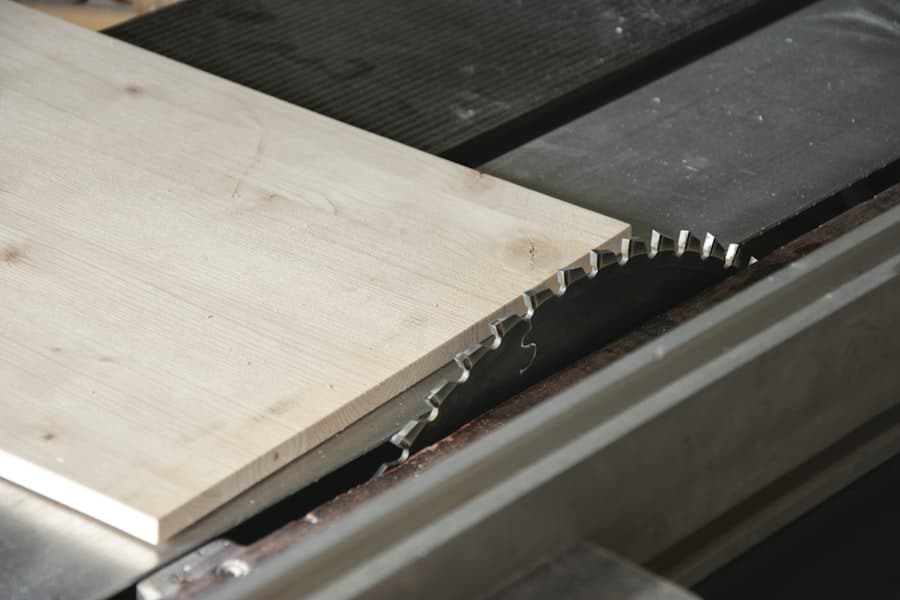
Safety should always be your top priority when operating a table saw, especially when using it in conjunction with a jobsite stand. Start by wearing appropriate personal protective equipment (PPE), including safety glasses and hearing protection. These items will help shield you from debris and reduce noise exposure while you work.
Before making any cuts, familiarize yourself with the safety features of your table saw and ensure that they are functioning correctly. Always use push sticks or other aids when cutting small pieces to keep your hands at a safe distance from the blade. Additionally, maintain a clean workspace free from clutter to minimize the risk of accidents.
By adhering to these safety precautions, you can create a safer working environment while maximizing the efficiency of your table saw and jobsite stand.
Maintenance and Care for Your Table Saw and Jobsite Stand
Proper maintenance is essential for ensuring the longevity and performance of both your table saw and jobsite stand. Regularly inspect your table saw for any signs of wear or damage, paying close attention to the blade condition and alignment. A dull or misaligned blade can lead to poor cuts and increase the risk of accidents.
Make it a habit to clean the blade after each use to remove any resin or debris that may accumulate. Your jobsite stand also requires care to maintain its functionality. Check for any loose bolts or connections regularly and tighten them as needed.
If your stand has wheels, ensure they are functioning correctly for easy mobility. Additionally, store both your table saw and jobsite stand in a dry environment to prevent rust or corrosion from developing over time.
Comparing Different Brands and Models of Jobsite Stands
With numerous brands and models available on the market, comparing different jobsite stands can be overwhelming. Start by researching reputable brands known for their quality and durability in woodworking tools. Look for customer reviews and ratings to gauge user satisfaction with specific models.
When comparing stands, consider features such as weight capacity, adjustability, portability, and ease of setup. Some brands may offer additional features like integrated storage solutions or compatibility with various table saw models. By taking the time to compare options thoroughly, you can make an informed decision that best suits your needs.
How a Jobsite Stand Can Improve Efficiency and Productivity on the Job
A well-chosen jobsite stand can significantly enhance your efficiency and productivity while using a table saw. By providing stability and support during cutting tasks, you can focus on achieving precise cuts without worrying about maintaining balance or control over your equipment. This increased confidence allows you to work more quickly and effectively.
Moreover, having an organized workspace facilitated by a jobsite stand can streamline your workflow. With tools and materials easily accessible yet out of the way during cutting operations, you can minimize downtime spent searching for items or clearing clutter from your work area. Ultimately, this improved organization leads to faster project completion times and higher-quality results.
Real-life Applications and Examples of Using a Table Saw with a Jobsite Stand
The combination of a table saw and jobsite stand is invaluable across various real-life applications in woodworking and construction projects. For instance, if you’re working on building custom cabinetry or furniture pieces, having a stable setup allows you to make precise cuts consistently—ensuring that all components fit together seamlessly. In construction settings, contractors often rely on this combination when framing walls or cutting plywood sheets for subflooring installations.
The portability of both tools means they can be easily transported from one location to another without sacrificing performance or accuracy. Whether you’re tackling small home improvement projects or large-scale renovations, using a table saw with a jobsite stand will undoubtedly enhance your capabilities.
The Importance of Investing in a Quality Jobsite Stand for Your Table Saw
In conclusion, investing in a quality jobsite stand for your table saw is not just an accessory; it’s an essential component that can significantly improve your woodworking experience. The stability, portability, and organization provided by a well-designed stand allow you to work more efficiently while ensuring safety during operation. As you explore different types of table saws and their respective stands, remember that choosing the right combination will ultimately enhance both your craftsmanship and productivity.
By prioritizing safety measures, proper maintenance practices, and thoughtful comparisons between brands and models, you can make an informed decision that aligns with your specific needs as a woodworker or contractor. Embrace the advantages that come with using a jobsite stand alongside your table saw; it’s an investment that will pay off in terms of quality results and overall satisfaction in every project you undertake.
If you are interested in tools and equipment for your job site, you may also want to check out this ToLife Air Purifier Review. Maintaining a clean and healthy work environment is essential, and this article provides valuable information on a product that can help improve air quality in your workspace. In addition to having the right tools like table saws and jobsite stands, investing in an air purifier can contribute to a more productive and comfortable work environment.
FAQs
What is a table saw?
A table saw is a woodworking tool consisting of a circular saw blade, mounted on an arbor, that is driven by an electric motor. The blade protrudes through the surface of a table, which provides support for the material being cut.
What is a jobsite stand for a table saw?
A jobsite stand is a portable and foldable stand designed to support a table saw on a job site or in a workshop. It provides a stable and elevated platform for the table saw, making it easier to work with large materials and improving safety and accuracy.
What are the benefits of using a jobsite stand for a table saw?
Using a jobsite stand for a table saw provides several benefits, including portability, stability, and convenience. It allows for easy transportation of the table saw to different job sites, provides a sturdy and level work surface, and often includes features such as wheels and adjustable legs for added versatility.
Are jobsite stands compatible with all table saw models?
Jobsite stands are designed to be compatible with a wide range of table saw models, but it is important to check the specifications and compatibility of the stand with the specific table saw model before making a purchase. Some stands may have weight or size limitations, so it is important to ensure a proper fit.
Can a jobsite stand be used for other tools besides a table saw?
While jobsite stands are primarily designed for use with table saws, they can often be adapted or modified to support other tools and equipment, such as miter saws, planers, and more. However, it is important to consider the weight and size limitations of the stand and ensure that it is suitable for the specific tool being used.