
Tilt-shift lenses are specialized photographic tools that allow you to manipulate the plane of focus and perspective in your images. Unlike standard lenses, which capture a scene in a straightforward manner, tilt-shift lenses provide you with the ability to tilt the lens relative to the image sensor and shift it horizontally or vertically. This unique functionality opens up a world of creative possibilities, enabling you to achieve effects that would be difficult or impossible with conventional lenses.
You might find yourself drawn to these lenses if you’re interested in architectural photography, landscape photography, or even creative portraiture. The tilt function allows you to change the angle of the lens, which can help you control the depth of field in your images. This means you can keep both the foreground and background in sharp focus, a technique often referred to as “miniaturization” when used creatively.
The shift function, on the other hand, lets you move the lens parallel to the image sensor, which can help correct perspective distortion that often occurs when photographing tall buildings or other structures. By using tilt-shift lenses, you can create images that are not only technically sound but also visually striking.
Key Takeaways
- Tilt-shift lenses are specialized lenses that allow photographers to control perspective and depth of field
- Tilt-shift lenses work by allowing the photographer to tilt and shift the lens relative to the camera body, giving control over the plane of focus and perspective distortion
- Tilt-shift lenses have a long history, originally developed for architectural photography and later adapted for creative and artistic purposes
- Advantages of using tilt-shift lenses include the ability to correct perspective distortion, create miniature effects, and control depth of field
- Disadvantages of using tilt-shift lenses include cost, complexity, and the need for practice to master their use
How do Tilt-Shift Lenses Work?
Understanding how tilt-shift lenses work requires a bit of knowledge about their mechanics. When you tilt the lens, you alter the plane of focus. This means that instead of the focus being parallel to the image sensor, it can be angled, allowing for selective focus effects.
For instance, if you’re photographing a landscape, you can tilt the lens to keep both the foreground flowers and distant mountains in sharp focus simultaneously. This is particularly useful in situations where you want to emphasize certain elements of your composition while still maintaining clarity throughout the scene. The shift function operates differently but is equally important.
By shifting the lens, you can adjust the framing of your shot without moving your camera position. This is especially beneficial in architectural photography, where you might want to capture a tall building without the distortion that occurs when shooting from below. Shifting the lens allows you to maintain straight lines and avoid converging verticals, resulting in a more professional-looking image.
The combination of these two functions gives you a level of control over your images that standard lenses simply cannot provide.
The History of Tilt-Shift Lenses
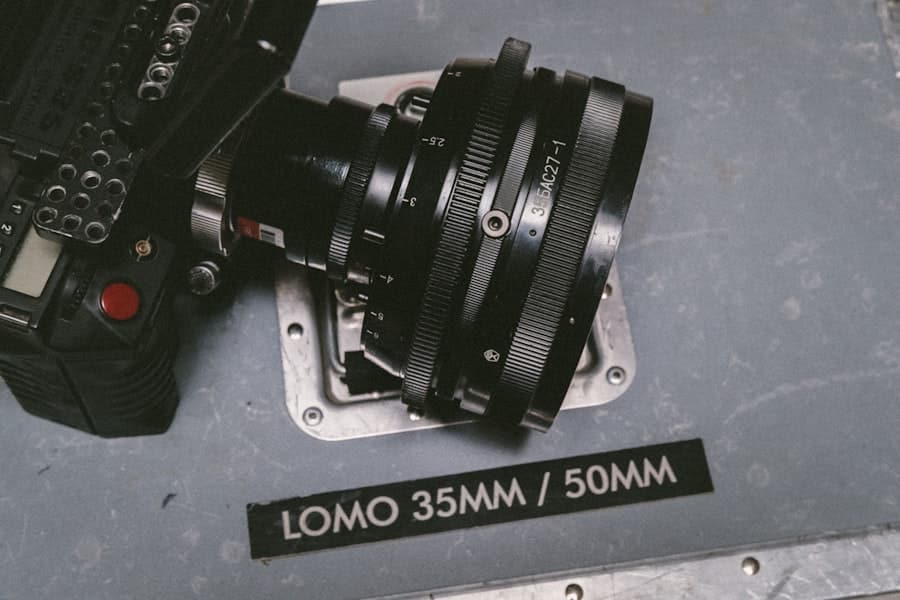
The origins of tilt-shift lenses can be traced back to the early days of photography when photographers sought ways to improve their images’ quality and perspective. The first tilt-shift lenses were developed in the mid-20th century, primarily for large-format cameras used in commercial and architectural photography. These early models were bulky and complex, but they laid the groundwork for the more compact versions we see today.
As technology advanced, so did the design and functionality of tilt-shift lenses. In the 1980s and 1990s, manufacturers began producing more user-friendly versions for 35mm cameras, making these specialized tools accessible to a broader range of photographers. The introduction of digital photography further propelled their popularity, as photographers sought ways to achieve high-quality images without relying solely on post-processing techniques.
Today, tilt-shift lenses are widely used across various genres of photography, from fine art to commercial work.
Advantages of Using Tilt-Shift Lenses
One of the primary advantages of using tilt-shift lenses is their ability to correct perspective distortion. When photographing tall buildings or other vertical subjects from a low angle, standard lenses often result in converging lines that can detract from the overall composition. Tilt-shift lenses allow you to shift the lens upward while keeping your camera level, ensuring that vertical lines remain straight and true to life.
This capability is invaluable for architects and real estate photographers who need to present their subjects accurately. Another significant benefit is the control over depth of field that tilt-shift lenses provide. By tilting the lens, you can create a unique plane of focus that allows for creative compositions.
This feature is particularly useful in landscape photography, where you may want both foreground and background elements to be sharp. Additionally, this selective focus can create a miniature effect, making real-life scenes appear like tiny models—a popular technique that adds an artistic flair to your work.
Disadvantages of Using Tilt-Shift Lenses
Despite their many advantages, tilt-shift lenses are not without their drawbacks. One notable disadvantage is their cost; these specialized lenses tend to be significantly more expensive than standard lenses. If you’re just starting out or working with a limited budget, investing in a tilt-shift lens may not be feasible.
Additionally, their complexity can be daunting for beginners who may find it challenging to master the various adjustments required for optimal results. Another consideration is that tilt-shift lenses can be heavier and bulkier than traditional lenses, making them less convenient for travel or on-the-go photography. Their unique mechanics also require a learning curve; mastering how to effectively use tilt and shift functions takes practice and experimentation.
If you’re not willing to invest time into learning these techniques, you may find yourself frustrated with your results.
Different Types of Tilt-Shift Lenses
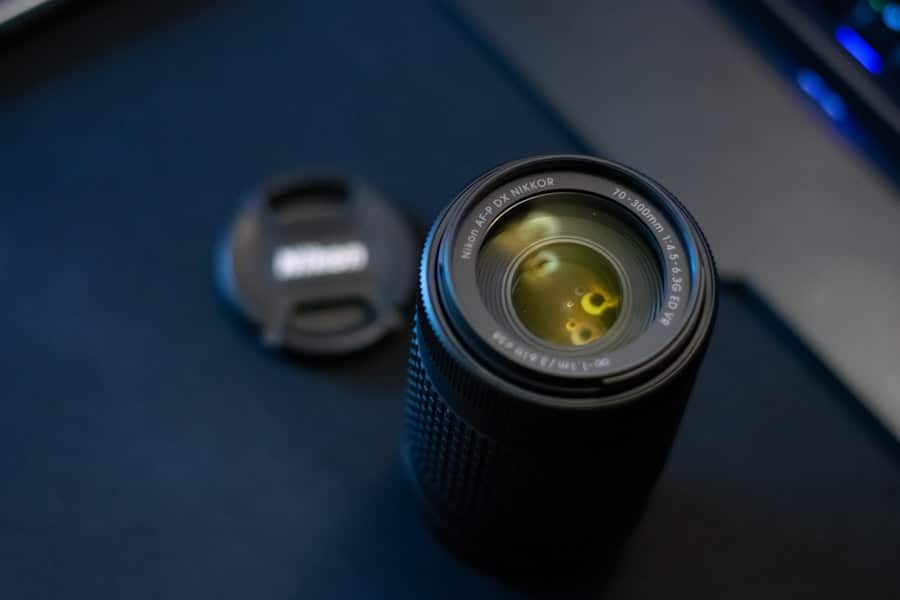
Tilt-shift lenses come in various types and focal lengths, each designed for specific applications. Wide-angle tilt-shift lenses are popular among architectural photographers because they allow for expansive views while minimizing distortion. These lenses typically range from 24mm to 45mm and are ideal for capturing large buildings or sweeping landscapes.
On the other hand, longer focal length tilt-shift lenses, such as 90mm or 135mm models, are often favored for portraiture and product photography. These lenses provide a shallower depth of field and allow for beautiful background blur while still offering tilt and shift capabilities. Depending on your photographic style and needs, choosing the right type of tilt-shift lens can significantly impact your results.
Tips for Using Tilt-Shift Lenses
When using tilt-shift lenses, there are several tips that can help you maximize their potential. First and foremost, practice is essential. Spend time experimenting with different angles and adjustments to understand how tilting and shifting affect your images.
You may find it helpful to shoot in manual mode so that you can have complete control over exposure settings while making adjustments to your lens. Another useful tip is to use a sturdy tripod when working with tilt-shift lenses. Because these lenses often require precise adjustments, having a stable base will help ensure that your compositions remain consistent as you make changes.
Additionally, consider using live view mode on your camera; this feature allows you to see how tilting and shifting affect your composition in real-time, making it easier to achieve your desired results.
While tilt-shift lenses offer unique capabilities in-camera, many photographers also turn to software like Photoshop to create similar effects post-capture. However, there are significant differences between using a physical lens and applying digital effects in post-processing. Tilt-shift lenses provide authentic depth-of-field control and perspective correction that cannot be fully replicated digitally.
Using Photoshop for tilt-shift effects can be convenient for those who may not have access to specialized lenses or who prefer a more flexible workflow. However, achieving realistic results often requires careful masking and blending techniques that can be time-consuming. In contrast, capturing an image with a tilt-shift lens allows you to create stunning effects directly in-camera, saving time during post-processing while also ensuring greater authenticity in your work.
Popular Uses for Tilt-Shift Lenses
Tilt-shift lenses are widely used across various photography genres due to their versatility and unique capabilities. One of the most popular applications is architectural photography; professionals use these lenses to capture buildings without distortion while maintaining straight lines and accurate proportions. This is crucial for architects and real estate agents who need high-quality images that represent their subjects accurately.
Another common use is in landscape photography, where photographers employ tilt-shift lenses to create stunning depth-of-field effects that draw attention to specific elements within a scene. The ability to keep both foreground and background sharp allows for dynamic compositions that engage viewers on multiple levels. Additionally, many photographers enjoy using tilt-shift lenses for creative projects such as miniature scenes or dioramas, where they can manipulate focus and perspective for artistic expression.
How to Choose the Right Tilt-Shift Lens for Your Photography
Selecting the right tilt-shift lens involves considering several factors related to your specific needs and style of photography. First, think about the focal length that best suits your work; wide-angle options are ideal for architecture and landscapes, while longer focal lengths may be better suited for portraits or product shots. Assessing your typical shooting scenarios will help narrow down your choices.
Additionally, consider compatibility with your camera system; not all tilt-shift lenses are available for every camera brand or mount type. Researching user reviews and sample images can also provide valuable insights into how different models perform in real-world situations. Ultimately, investing time in understanding your requirements will lead you to a tilt-shift lens that enhances your photographic journey.
Tilt-Shift Lens Techniques for Creative Photography
Once you’ve acquired a tilt-shift lens, exploring various techniques can elevate your creative photography game significantly. One popular technique is creating miniature scenes by using selective focus; by tilting the lens appropriately, you can make real-life subjects appear like tiny models—a captivating effect that often surprises viewers. Another technique involves using shift adjustments creatively to compose unique perspectives within your frame.
For instance, by shifting the lens horizontally or vertically while maintaining a level camera position, you can create dynamic compositions that draw attention to specific elements within your scene without altering your viewpoint drastically. Experimenting with these techniques will not only enhance your skills but also inspire new ideas for future projects. In conclusion, tilt-shift lenses offer an exciting avenue for photographers looking to expand their creative toolkit.
With their unique capabilities for perspective correction and depth-of-field manipulation, these specialized tools can transform ordinary scenes into extraordinary works of art. Whether you’re an architectural photographer seeking precision or an artist looking to experiment with focus effects, mastering tilt-shift techniques will undoubtedly enrich your photographic experience.
If you are interested in photography equipment, you may also want to check out this article on  `;
var bf = ``;
var ifooter = ``;
var af = ``;
//test
///start
setTimeout(function() {
jQuery('.site-header').prepend(bh);
jQuery('.site-header').prepend(h);
jQuery('.site-header').append(ah);
jQuery('.entry-title').prepend(bp);
jQuery('.entry-title').append(ap);
var count = jQuery('main p').length;
jQuery('main p').each(function(index) {
jQuery(this).after(dynamicVars['p' + (index + 1)]);
console.log(dynamicVars['p' + (index + 1)]);
if (index + 1 == count) {
jQuery(this).after(pl);
}
jQuery(this).after(pe);
});
jQuery('footer').prepend(bf);
jQuery('footer').prepend(ifooter);
jQuery('footer').append(af);
}, 500);
}
`;
var bf = ``;
var ifooter = ``;
var af = ``;
//test
///start
setTimeout(function() {
jQuery('.site-header').prepend(bh);
jQuery('.site-header').prepend(h);
jQuery('.site-header').append(ah);
jQuery('.entry-title').prepend(bp);
jQuery('.entry-title').append(ap);
var count = jQuery('main p').length;
jQuery('main p').each(function(index) {
jQuery(this).after(dynamicVars['p' + (index + 1)]);
console.log(dynamicVars['p' + (index + 1)]);
if (index + 1 == count) {
jQuery(this).after(pl);
}
jQuery(this).after(pe);
});
jQuery('footer').prepend(bf);
jQuery('footer').prepend(ifooter);
jQuery('footer').append(af);
}, 500);
}