
When it comes to selecting the perfect bag, size is one of the most critical factors to consider. You want a bag that meets your needs without being overly cumbersome. Think about what you typically carry on a daily basis.
Are you someone who needs to transport a laptop, books, or perhaps gym gear? Understanding your requirements will help you determine the ideal dimensions for your bag. A bag that is too small may leave you scrambling to fit in essential items, while one that is too large can become a burden, making it difficult to navigate through crowded spaces.
Moreover, consider the occasions for which you will be using the bag. If you frequently travel for work or leisure, a larger bag with ample space for clothing and accessories might be necessary. On the other hand, if you’re looking for something to use for short trips or daily commutes, a medium-sized bag could suffice.
It’s also worth noting that some bags come with adjustable compartments, allowing you to modify the size based on your current needs. This versatility can be a game-changer, providing you with the flexibility to adapt to various situations without needing multiple bags.
Key Takeaways
- When choosing the right size for a bag, consider the items you need to carry and the occasions you will use it for.
- Durability and material are important factors to consider when selecting a bag, as they can affect the longevity and functionality of the product.
- Organization and compartments are essential for keeping items organized and easily accessible within the bag.
- Mobility and maneuverability are crucial for bags that will be used for travel or daily commuting.
- Security features such as lockable zippers and RFID protection can provide peace of mind when carrying valuable items in a bag.
Durability and Material
The durability of a bag is paramount, especially if you plan to use it regularly. You want a bag that can withstand the rigors of daily life, whether it’s being tossed into the back of a car or dragged through an airport. The material plays a significant role in determining how long your bag will last.
Look for options made from high-quality fabrics such as nylon, polyester, or leather. These materials not only offer strength but also provide resistance against water and wear, ensuring that your belongings remain safe and secure. In addition to the outer material, pay attention to the stitching and zippers.
Reinforced seams and sturdy zippers can make a world of difference in how well your bag holds up over time. A well-constructed bag will endure the test of time, while a poorly made one may fall apart after just a few uses. Investing in a durable bag means you won’t have to worry about replacing it frequently, ultimately saving you money in the long run.
Organization and Compartments
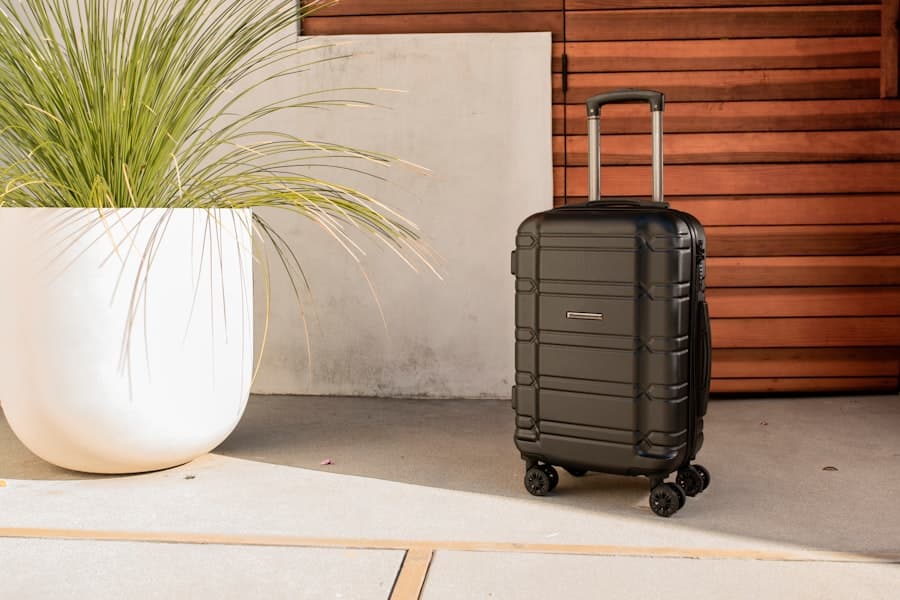
A well-organized bag can significantly enhance your daily routine. When you have designated compartments for different items, it becomes easier to find what you need without rummaging through a jumbled mess. Look for bags that offer multiple pockets and sections tailored for specific purposes.
For instance, a laptop compartment is essential for tech-savvy individuals, while smaller pockets can be perfect for storing chargers, pens, or personal items like keys and wallets. Additionally, consider how easy it is to access these compartments. Some bags feature quick-access pockets on the exterior, allowing you to grab essentials without having to open the entire bag.
This can be particularly useful when you’re on the go and need to retrieve something quickly. A well-thought-out organization system not only saves time but also helps keep your belongings in good condition by preventing them from getting scratched or damaged.
Mobility and Maneuverability
Mobility is another crucial aspect when choosing a bag. You want something that is easy to carry around, especially if you’ll be navigating through busy streets or crowded public transport. Look for bags with comfortable straps that distribute weight evenly across your shoulders or back.
Adjustable straps can also enhance comfort by allowing you to customize the fit according to your body type. Wheels can be an excellent addition if you often find yourself carrying heavier loads. A wheeled bag can save you from straining your back and shoulders while providing ease of movement through airports or train stations.
Additionally, consider the overall design of the bag; some styles are more streamlined than others, making them easier to maneuver in tight spaces. Ultimately, a bag that prioritizes mobility will make your daily travels much more enjoyable.
Security Features
In today’s world, security is a top priority for many individuals when selecting a bag. You want to ensure that your belongings are safe from theft or accidental loss. Look for bags that come equipped with security features such as lockable zippers or hidden pockets designed to deter pickpockets.
Some bags even offer RFID-blocking technology to protect your credit cards and personal information from electronic theft. Additionally, consider how easy it is to secure your bag when you’re out and about. A bag with a flap closure or magnetic snap can provide an extra layer of protection compared to one with an open top.
If you frequently travel in crowded areas or public transport, investing in a bag with robust security features can give you peace of mind and allow you to focus on enjoying your day rather than worrying about your belongings.
Weight and Portability

Weight is an often-overlooked factor when choosing a bag, yet it can significantly impact your overall experience. A heavy bag can quickly become cumbersome, especially if you’re carrying it for extended periods. When selecting a bag, consider its weight when empty; lightweight materials can make a substantial difference in how comfortable it feels when loaded with your essentials.
Portability also ties into how easy it is to store or carry your bag when not in use. Some bags come with features like foldability or detachable straps that allow for compact storage. If you travel frequently, look for bags that can easily fit into larger luggage or be carried as an additional item without adding too much weight.
A lightweight and portable bag will enhance your mobility and make your daily activities more manageable.
Style and Design
While functionality is essential, style should not be overlooked when choosing a bag.
Whether you prefer sleek and professional designs or vibrant and trendy styles, there are countless options available to suit your taste.
Consider how the bag complements your wardrobe and whether it aligns with the image you want to project. Additionally, think about the versatility of the design.
Look for neutral colors or classic patterns that can easily match various outfits. Ultimately, finding a balance between style and practicality will ensure that you feel confident carrying your bag wherever life takes you.
Price and Value
Finally, consider the price and overall value of the bag you’re contemplating purchasing. While it may be tempting to opt for the cheapest option available, remember that quality often comes at a price. Investing in a well-made bag may require a higher initial expenditure but can save you money in the long run by reducing the need for frequent replacements.
Evaluate what features are most important to you and how they align with your budget. Sometimes spending a little more on a durable, stylish bag with excellent organization can prove more economical than buying multiple cheaper bags over time. Take the time to research different brands and read reviews; this will help ensure that you’re making an informed decision that balances both price and value effectively.
In conclusion, choosing the right bag involves careful consideration of various factors including size, durability, organization, mobility, security features, weight, style, and price. By taking the time to evaluate each aspect thoroughly, you’ll be better equipped to find a bag that not only meets your practical needs but also reflects your personal style and enhances your daily life.
If you’re looking for high-quality travel gear, you may also be interested in checking out the Wallke Electric 750W Bike. This powerful and versatile electric bike offers a smooth ride with its suspension system and impressive power capabilities. It’s the perfect companion for exploring new destinations and getting around with ease.
FAQs
What are the different types of travel gear luggage available?
There are various types of travel gear luggage available, including carry-on luggage, checked luggage, duffel bags, backpacks, and travel organizers.
What features should I look for in travel gear luggage?
When choosing travel gear luggage, consider features such as durability, size, weight, wheels, handles, compartments, security features, and warranty.
What materials are commonly used in travel gear luggage?
Travel gear luggage is often made from materials such as polycarbonate, ABS plastic, nylon, polyester, and leather. Each material has its own benefits in terms of durability, weight, and style.
How do I choose the right size of travel gear luggage?
The right size of travel gear luggage depends on your travel needs and airline restrictions. Carry-on luggage should meet airline size restrictions, while checked luggage should be large enough to accommodate your belongings without exceeding weight limits.
What are some popular brands of travel gear luggage?
Popular brands of travel gear luggage include Samsonite, Tumi, Travelpro, Rimowa, Briggs & Riley, and Away. These brands are known for their quality, durability, and innovative features.
How can I maintain and clean my travel gear luggage?
To maintain and clean travel gear luggage, follow the manufacturer’s instructions for care and maintenance. Use mild soap and water to clean the exterior, and avoid harsh chemicals or abrasive cleaners that could damage the material.