As you embark on your underwater photography journey, understanding the essential tools that will enhance your experience is crucial. Underwater camera housings and lights are two of the most significant components that can elevate your photography skills beneath the waves. These specialized devices not only protect your camera from water damage but also allow you to capture stunning images in an environment that is often challenging due to low light and unpredictable conditions.
By investing in quality underwater camera housings and lights, you can unlock a world of vibrant colors and intricate details that are otherwise hidden from the naked eye. The allure of underwater photography lies in its ability to showcase the beauty of marine life and underwater landscapes. However, without the right equipment, you may find it difficult to achieve the desired results.
Underwater camera housings serve as a protective shell for your camera, allowing you to dive deep without worrying about water intrusion. Meanwhile, underwater lights illuminate your subjects, bringing out their true colors and enhancing the overall quality of your images. Together, these tools create a powerful combination that can transform your underwater photography experience.
Key Takeaways
- Underwater camera housings and lights are essential tools for capturing high-quality images and videos in underwater environments.
- Using underwater camera housings and lights can enhance the clarity and color of underwater photography and videography.
- There are different types of underwater camera housings, including compact, mirrorless, and DSLR housings, each designed for specific camera models.
- When choosing the right underwater camera housing, it’s important to consider factors such as depth rating, controls, and port compatibility.
- Features to look for in underwater camera housings include durable construction, ergonomic design, and compatibility with accessories such as strobes and lenses.
Benefits of Using Underwater Camera Housings and Lights
Utilizing underwater camera housings and lights offers numerous advantages that can significantly improve your photography. One of the primary benefits is the protection they provide for your camera gear. Water can be incredibly damaging to electronic devices, and even a small leak can ruin an expensive camera.
With a reliable housing, you can dive confidently, knowing that your equipment is safeguarded against the elements. This peace of mind allows you to focus on capturing breathtaking images rather than worrying about potential mishaps. In addition to protection, underwater camera lights play a vital role in enhancing image quality.
When submerged, natural light diminishes rapidly, especially as you descend deeper into the water. This lack of light can lead to dull, colorless photographs that fail to capture the vibrancy of marine life. By incorporating artificial lighting into your setup, you can illuminate your subjects effectively, revealing their true colors and details.
This not only improves the aesthetic appeal of your photos but also allows for greater creativity in your compositions.
Types of Underwater Camera Housings
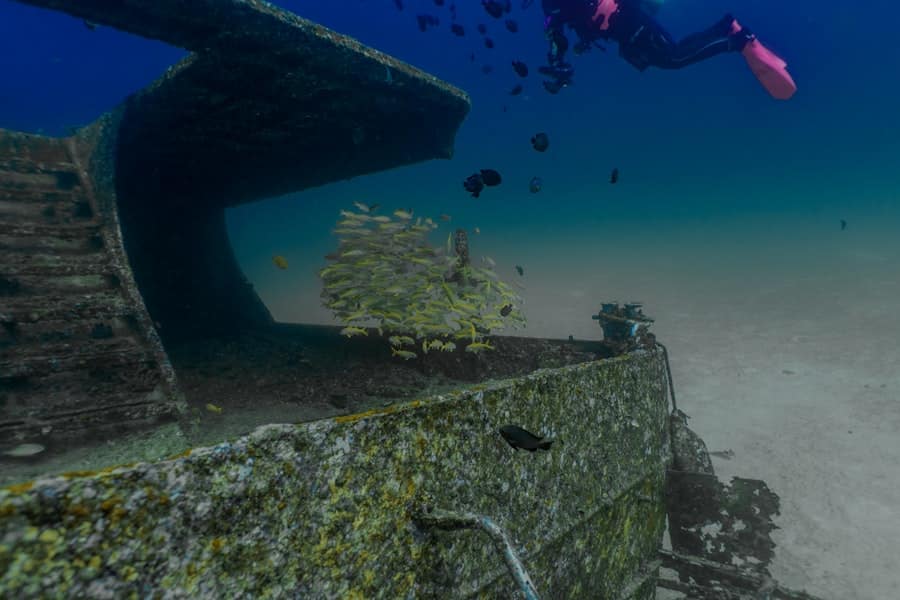
When it comes to underwater camera housings, there are several types available, each designed to cater to different needs and preferences. The most common types include compact housings, mirrorless camera housings, and DSLR housings. Compact housings are typically lightweight and easy to use, making them ideal for beginners or casual photographers who want to capture memories without the complexity of advanced gear.
These housings often accommodate point-and-shoot cameras and are perfect for snorkeling or shallow diving. On the other hand, if you are more serious about underwater photography and own a mirrorless or DSLR camera, you may want to invest in a more robust housing. These housings are designed to accommodate larger cameras and offer greater control over settings such as aperture and shutter speed.
They often come with additional features like interchangeable ports for different lenses, allowing you to adapt your setup based on the type of photography you wish to pursue. Understanding the various types of underwater camera housings will help you make an informed decision based on your specific needs.
Choosing the Right Underwater Camera Housing for Your Camera
Selecting the right underwater camera housing is essential for ensuring compatibility with your equipment and achieving optimal results. Start by identifying the make and model of your camera, as this will determine which housings are available for your specific device. Many manufacturers produce housings tailored to popular camera models, so you should have a range of options to choose from.
Once you’ve narrowed down your choices based on compatibility, consider factors such as depth rating and build quality. The depth rating indicates how deep you can safely take your camera without risking water damage. If you plan on diving deeper than recreational levels, look for a housing with a higher depth rating.
Additionally, pay attention to the materials used in construction; durable materials like polycarbonate or aluminum will provide better protection against impacts and corrosion from saltwater.
Features to Look for in Underwater Camera Housings
When evaluating underwater camera housings, there are several key features that can enhance your shooting experience. One important aspect is accessibility; ensure that all essential controls are easily reachable while wearing gloves or under water. This includes buttons for shutter release, zoom control, and menu navigation.
A housing with well-placed controls will allow you to adjust settings quickly without fumbling around. Another feature to consider is the presence of an optical viewfinder or LCD screen window. A clear viewfinder will enable you to frame your shots accurately, even in challenging lighting conditions.
Additionally, some housings come equipped with built-in ports for attaching external lights or strobes, which can further improve your photography by providing additional illumination when needed. By prioritizing these features, you can select a housing that aligns with your shooting style and enhances your overall experience.
Maintenance and Care of Underwater Camera Housings
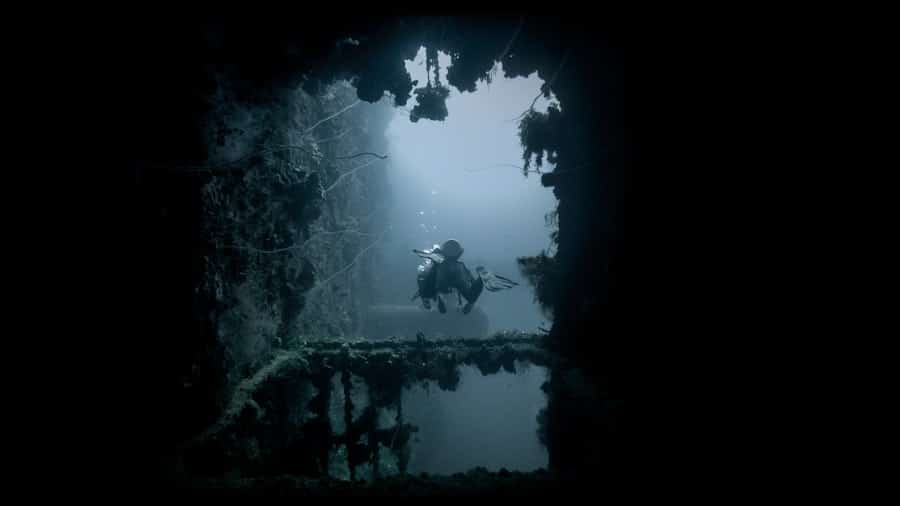
Proper maintenance and care of your underwater camera housing are crucial for ensuring its longevity and functionality. After each dive, it’s essential to rinse the housing thoroughly with fresh water to remove any salt or debris that may have accumulated during your underwater adventures. Pay special attention to seals and O-rings; these components are vital for maintaining waterproof integrity.
Inspect them regularly for signs of wear or damage, and replace them as needed to prevent leaks. Additionally, storing your housing correctly is important for its preservation. Keep it in a cool, dry place away from direct sunlight when not in use.
Consider using a padded case or bag for added protection during transport. Regularly check all components for functionality before each dive; this includes testing buttons and ensuring that all seals are intact. By following these maintenance tips, you can extend the life of your underwater camera housing and ensure it performs optimally when you need it most.
Introduction to Underwater Camera Lights
Underwater camera lights are an essential tool for any serious underwater photographer looking to capture stunning images in low-light conditions. These lights come in various forms, including continuous lights and strobes, each serving different purposes depending on your shooting style and subject matter. Continuous lights provide a constant source of illumination, making them ideal for video recording or capturing still images where consistent lighting is necessary.
Strobes, on the other hand, emit short bursts of light that can freeze motion and illuminate subjects effectively without overwhelming them with brightness. Understanding the differences between these types of lights will help you choose the right one for your specific needs. Regardless of which type you opt for, incorporating underwater lights into your setup will significantly enhance the quality of your images by revealing colors and details that would otherwise be lost in murky waters.
Types of Underwater Camera Lights
There are several types of underwater camera lights available on the market today, each designed with specific features tailored to different photography needs. Continuous lights are popular among videographers due to their ability to provide consistent illumination throughout a shoot. These lights often come with adjustable brightness settings and color temperature options, allowing you to customize the lighting based on your environment.
Strobes are another common choice among underwater photographers who prefer still images. They typically offer higher power output than continuous lights, enabling them to illuminate subjects at greater distances effectively. Many strobes also come with features such as adjustable power settings and built-in modeling lights that help you visualize how the light will fall on your subject before taking the shot.
By understanding these different types of underwater camera lights, you can select one that best suits your photographic style and objectives.
Choosing the Right Underwater Camera Light for Your Photography Needs
Selecting the right underwater camera light involves considering several factors that align with your photography goals. First, assess whether you primarily shoot still images or video; this will help determine whether continuous lights or strobes are more suitable for your needs. If you’re focused on capturing vibrant stills of marine life or coral reefs, strobes may be the better option due to their ability to freeze motion and provide powerful bursts of light.
Next, consider the power output of the light source; higher wattage typically translates into greater illumination capabilities at deeper depths. Additionally, look for features such as adjustable brightness levels and color temperature settings that allow you to fine-tune the lighting based on varying conditions underwater. Finally, ensure compatibility with your existing camera housing; some lights may require specific mounting systems or adapters to work seamlessly with your setup.
Tips for Using Underwater Camera Housings and Lights
To maximize your underwater photography experience with camera housings and lights, consider implementing a few practical tips during your dives. First and foremost, practice using your equipment before heading into challenging environments; familiarize yourself with all controls and settings while still on land or in shallow water. This preparation will help build confidence when you’re submerged.
When using underwater lights, be mindful of their positioning relative to your subject; angling the light correctly can create dramatic effects while minimizing harsh shadows or overexposure. Experimenting with different angles will allow you to discover unique perspectives that enhance your compositions. Additionally, remember to adjust your white balance settings according to the depth at which you’re shooting; this adjustment will help maintain accurate color representation in your images.
Conclusion and Final Thoughts on Underwater Camera Housings and Lights
In conclusion, investing in quality underwater camera housings and lights is essential for anyone looking to explore the captivating world beneath the waves through photography. These tools not only protect your equipment but also enhance image quality by providing necessary illumination in low-light conditions. By understanding the various types of housings and lights available, as well as how to choose the right ones for your needs, you can significantly improve your underwater photography skills.
As you embark on this exciting journey into underwater photography, remember that practice makes perfect. Take time to familiarize yourself with your equipment, experiment with different techniques, and most importantly, enjoy capturing the beauty of marine life through your lens. With dedication and the right tools at hand, you’ll be well on your way to creating stunning underwater images that tell compelling stories about our planet’s oceans and their inhabitants.
If you’re looking to enhance your underwater photography experience with top-notch equipment, you may also be interested in the Zendure SuperBase, the ultimate portable power solution. This powerful device can keep your underwater camera housings and lights charged and ready to go for extended periods of time. Check out our review of the Zendure SuperBase to see how it can take your photography to the next level.
FAQs
What are underwater camera housings?
Underwater camera housings are protective cases designed to keep cameras safe and dry while submerged in water. They allow photographers to take high-quality photos and videos underwater without damaging their equipment.
How do underwater camera housings work?
Underwater camera housings are typically made of durable materials such as polycarbonate or aluminum, and they feature O-rings and seals to keep water out. They also have buttons and controls that allow users to operate their cameras while they are inside the housing.
What are the benefits of using underwater camera housings?
Using underwater camera housings allows photographers to capture stunning images and videos of marine life and underwater landscapes. They also provide protection for expensive camera equipment, allowing photographers to explore and document underwater environments without fear of damage.
What are underwater camera lights?
Underwater camera lights are specialized lights designed to provide illumination for underwater photography and videography. They are essential for capturing clear and vibrant images in the often dark and murky underwater environment.
How do underwater camera lights work?
Underwater camera lights are typically waterproof and feature a high-intensity beam to penetrate the water and illuminate subjects. They can be attached to the camera housing or used as separate handheld lights to provide versatile lighting options for underwater photographers.
What are the benefits of using underwater camera lights?
Underwater camera lights enhance the quality of underwater images and videos by providing proper illumination and reducing the effects of color loss at depth. They also allow photographers to capture details and colors that may be lost in the low-light conditions of the underwater environment.