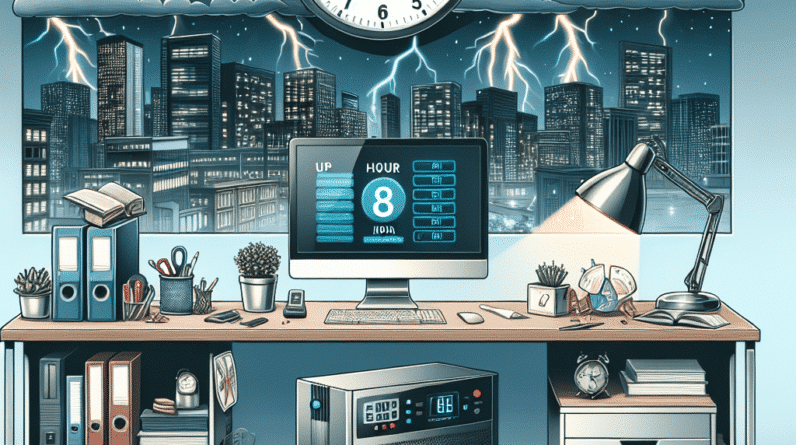
Imagine never having to worry about power outages again. With our new Uninterrupted Power Supply, you can have peace of mind knowing that you’ll never be left in the dark. Our 72-hour battery backup ensures that your devices stay powered, whether it’s during a storm or a sudden blackout. No more scrambling to find candles or fumbling with flashlights – our UPS has got your back. Say goodbye to spoiled food, missed calls, and disrupted work – our battery backup keeps you connected and productive for days on end. Stay powered, stay connected, and stay worry-free with our Uninterrupted Power Supply.
Uninterrupted Power Supply: 72 Hour Battery Backup

I. Introduction to Uninterrupted Power Supply (UPS)
Uninterrupted Power Supply, commonly known as UPS, is an essential device that provides backup power in the event of a main power failure. It acts as a reliable safeguard for critical electrical equipment such as computers, servers, and telecommunications systems, ensuring seamless operation even during power outages. A UPS not only prevents data loss but also protects equipment from voltage fluctuations and electrical surges. One of the crucial features of a UPS is its battery backup, which allows it to provide power for a certain duration until the main power source is restored. In this article, we will delve into the importance and factors to consider when choosing a UPS with a 72-hour battery backup.
II. Importance of a 72 Hour Battery Backup
Having a 72-hour battery backup in a UPS offers numerous advantages and is particularly useful in situations where prolonged power outages are expected. It provides an extended period of uninterrupted power, ensuring vital systems can continue to operate smoothly for an extended duration. This is especially critical in industries such as healthcare, data centers, and emergency services, where downtime can have severe consequences. Furthermore, a 72-hour battery backup allows businesses to stay operational during natural disasters, blackouts, or any other unforeseen events that may cause power outages lasting several days. It provides peace of mind, knowing that essential equipment and systems remain powered for an extended period, minimizing disruptions and potential losses.
III. Factors to Consider When Choosing a UPS with 72 Hour Battery Backup
When selecting a UPS with a 72-hour battery backup, several factors should be taken into consideration to ensure it meets the specific needs and requirements of the intended application.
a) Power Output Capacity
Before making a purchase, it is important to assess the power output capacity of the UPS. Determine the total power consumption of the equipment that needs to be powered during an outage, and ensure that the UPS can handle the load. It is advisable to choose a UPS with a slightly higher power capacity than the estimated load to account for any future expansions or additional equipment.
b) Battery Technology and Capacity
The battery technology and capacity play a crucial role in the overall performance and duration of the battery backup. Look for a UPS that utilizes high-quality batteries with a long lifespan and low self-discharge rate. Additionally, consider the battery capacity to ensure it is sufficient to power the connected equipment for the desired duration of 72 hours. It is important to note that the battery backup time can vary depending on the load and usage patterns.
c) Charging Time and Efficiency
Evaluate the charging time of the UPS to determine how quickly it can recharge the batteries after a discharge. Opt for a UPS with efficient charging capabilities to minimize downtime during recharging intervals. A UPS with a faster charging time ensures the batteries are ready for the next power outage, minimizing the risk of prolonged power interruptions.
d) Expandability and Scalability
Consider the scalability of the UPS system, especially if there is a possibility of future expansion or addition of equipment. Look for a UPS that allows for easy scalability and the addition of extra battery capacity if required. This ensures flexibility and adaptability to changing power requirements in the future.
IV. Different Types of UPS Systems
When exploring UPS options, it is essential to understand the different types of UPS systems available in the market. The three primary types of UPS systems are:
a) Standby UPS
The standby UPS, also known as offline UPS, operates by constantly monitoring the power input. When it detects a power outage or voltage fluctuation, it switches to the battery backup to power the connected equipment. Standby UPS systems are cost-effective and provide basic protection against power interruptions but may experience a slight delay during the transfer to battery power.
b) Line-Interactive UPS
Line-interactive UPS systems feature an additional voltage regulation component, providing better protection against voltage fluctuations. The UPS continuously adjusts the voltage with an automatic voltage regulator (AVR) to maintain a stable output and protect the connected equipment. Line-interactive UPS systems offer enhanced protection and voltage regulation, making them ideal for environments where power fluctuations are common.
c) Online UPS
Online UPS systems, also known as double-conversion UPS, provide the highest level of protection and reliability. The equipment is continuously powered by the inverter, which converts the incoming AC power to DC power and then back to AC power. This ensures a seamless and uninterrupted power supply, making it suitable for critical applications that cannot tolerate any downtime or voltage fluctuations.
V. Features and Specifications of a UPS with 72 Hour Battery Backup
A UPS with a 72-hour battery backup typically offers several features and specifications to ensure optimal performance during power outages. Some of the key features to consider when choosing a UPS with a 72-hour battery backup include:
a) Automatic Voltage Regulation (AVR)
AVR is a critical feature that regulates the incoming voltage, ensuring a stable and reliable power supply to the connected equipment. It protects against voltage fluctuations, which can be harmful to sensitive electronics.
b) LCD Display and Status Indicators
An LCD display provides real-time information about the UPS status, battery level, load capacity, and other vital information. Status indicators such as LED lights offer a quick visual representation of the UPS operation and any alarms or warnings.
c) Remote Monitoring and Management
Some UPS systems offer remote monitoring and management capabilities, allowing users to monitor the UPS status and receive notifications remotely. This feature proves invaluable in scenarios where the UPS is installed in a remote or inaccessible location.
d) Energy Efficiency
Consider choosing a UPS with high energy efficiency ratings to reduce electricity consumption and lower operating costs. UPS systems with energy-saving features such as eco-mode and automatic shutdown help conserve energy during periods of low or no load.
VI. Installation and Maintenance of a UPS with 72 Hour Battery Backup
Proper installation and regular maintenance are crucial to ensure the optimal performance and longevity of a UPS with a 72-hour battery backup. Here are some essential points to keep in mind during installation and maintenance:
a) Professional Installation
It is recommended to have the UPS installed by a qualified professional to ensure proper wiring, grounding, and compatibility with existing electrical systems. Improper installation can lead to performance issues and safety hazards.
b) Regular Battery Testing and Replacement
Regularly test the UPS batteries to ensure they are functioning correctly and can deliver the expected backup time. Batteries should be replaced at regular intervals or when they exhibit signs of aging or diminished capacity.
c) Dust and Dirt Prevention
Keep the UPS and battery enclosure clean and free from dust and dirt. Regularly inspect the system and clean any accumulated debris to prevent overheating and reduce the risk of failure.
d) Firmware Updates
Regularly check for firmware updates and install them as recommended by the manufacturer. Firmware updates often enhance UPS performance, add new features, and address any known issues or vulnerabilities.
VII. Common Applications of a UPS with 72 Hour Battery Backup
A UPS with a 72-hour battery backup finds application in various industries and settings where extended power backup is crucial. Some common applications of these UPS systems include:
a) Healthcare Facilities
In healthcare facilities, such as hospitals and clinics, uninterrupted power supply is of utmost importance. A UPS with a 72-hour battery backup ensures critical medical equipment, patient monitoring systems, and life-saving devices remain powered during power outages.
b) Data Centers
Data centers house mission-critical servers, storage systems, and networking equipment. A UPS with an extended battery backup ensures data integrity and prevents costly downtime or data loss in the event of a power failure.
c) Emergency Services
Emergency service providers, such as police stations, fire departments, and emergency call centers, rely on uninterrupted power to handle emergencies effectively. A UPS with a 72-hour battery backup ensures continuous operation, allowing emergency response teams to carry out their duties without interruptions.
VIII. Advantages and Disadvantages of a UPS with 72 Hour Battery Backup
Like any technology, UPS systems with a 72-hour battery backup come with a set of advantages and disadvantages. It is important to consider these factors before making a purchase decision.
Advantages:
- Extended power backup for critical equipment during prolonged outages
- Reduced downtime, ensuring business continuity and productivity
- Protection against power fluctuations, electrical surges, and voltage spikes
- Safeguarding sensitive and expensive equipment from potential damage
- Peace of mind knowing that vital systems remain functional during emergencies
Disadvantages:
- Higher upfront cost compared to UPS systems with shorter battery backup
- Frequent battery replacements and maintenance might be required
- Increased physical space requirements for accommodating the UPS and battery backup
IX. Comparison with Other Backup Solutions
While a UPS with a 72-hour battery backup offers significant advantages, it is important to compare it with other backup solutions to make an informed decision. Here is a comparison of UPS systems with other backup solutions commonly used:
a) Generators
Generators are known for their ability to provide long-term power backup. However, they require additional fuel sources, regular maintenance, and may produce noise and emissions. Additionally, generators can experience startup delays during an outage.
b) Power Banks
Power banks are portable battery packs that can charge small electronic devices. While they are useful for short durations, they are not suitable for powering critical equipment or prolonged power outages like a UPS with a 72-hour battery backup.
c) Solar Power Systems
Solar power systems harness energy from the sun and convert it into usable electrical power. While they provide clean energy and can offer extended backup with sufficient storage capacity, they are generally more complex and expensive to install compared to a UPS.
X. Conclusion
In conclusion, a UPS with a 72-hour battery backup is an indispensable tool to ensure uninterrupted power supply during extended outages. It offers numerous advantages, including enhanced reliability, protection against power fluctuations, and peace of mind. When selecting a UPS with a 72-hour battery backup, consider factors such as power output capacity, battery technology and capacity, charging time, and scalability. Proper installation, regular maintenance, and understanding different UPS types are crucial for optimal performance. Whether it is in healthcare facilities, data centers, or emergency services, the importance of a UPS with a 72-hour battery backup cannot be overstated. It serves as a reliable lifeline, allowing critical operations to continue during power outages and ensuring that vital equipment remains powered for an extended duration.