
When it comes to preserving food, vacuum sealer bags offer a multitude of advantages that can significantly enhance your culinary experience. One of the most notable benefits is their ability to extend the shelf life of perishable items. By removing air from the packaging, vacuum sealing inhibits the growth of bacteria and mold, which are often responsible for food spoilage.
This means that you can enjoy your favorite foods for a longer period without the worry of them going bad. Imagine being able to store fresh fruits, vegetables, and meats for weeks or even months longer than traditional storage methods allow. This not only saves you money but also reduces food waste, making it a win-win situation.
In addition to prolonging freshness, vacuum sealer bags also help maintain the quality and flavor of your food. When you seal food in these bags, you create an airtight environment that prevents oxidation, which can lead to loss of taste and texture. This is particularly beneficial for items like nuts, spices, and coffee, which can lose their potency when exposed to air.
Furthermore, vacuum sealing can help preserve the nutritional value of your food, ensuring that you get the most out of your meals. Whether you’re a health-conscious individual or simply someone who enjoys good food, using vacuum sealer bags can elevate your cooking and dining experience.
Key Takeaways
- Vacuum sealer bags help to extend the shelf life of food, reducing food waste and saving money.
- Vacuum sealer bags work by removing air from the bag, creating a tight seal around the food to prevent spoilage and freezer burn.
- When choosing vacuum sealer bags, consider the size, material, and compatibility with your vacuum sealer machine.
- To use vacuum sealer bags effectively, make sure to properly seal the bags and remove as much air as possible for optimal preservation.
- Vacuum sealer bags are great for meal prep, portion control, and organizing food in the fridge or freezer.
How Vacuum Sealer Bags Work
Understanding how vacuum sealer bags work can help you appreciate their effectiveness in food preservation. The process begins with a vacuum sealer machine, which is designed to remove air from the bag before sealing it shut. When you place food inside a vacuum sealer bag and insert it into the machine, the device creates a vacuum by sucking out the air.
This action not only eliminates oxygen but also reduces the presence of moisture, which can contribute to spoilage. Once the air is removed, the machine seals the bag tightly, creating an airtight barrier that protects the contents from external elements. The science behind vacuum sealing is rooted in the principles of food preservation.
By removing air, you significantly slow down the processes of oxidation and microbial growth. This means that your food remains fresher for longer periods. Additionally, vacuum sealing can help prevent freezer burn when storing items in the freezer.
Freezer burn occurs when air comes into contact with frozen food, causing dehydration and loss of flavor. With vacuum sealer bags, you can enjoy your frozen meals just as much as when they were first prepared.
Choosing the Right Vacuum Sealer Bags for Your Needs
Selecting the appropriate vacuum sealer bags is crucial for maximizing their benefits. There are various types of vacuum sealer bags available on the market, each designed for specific purposes. For instance, some bags are made from thicker materials that provide extra durability and protection against punctures, making them ideal for storing sharp-edged items like bones or frozen meats.
On the other hand, there are also lightweight bags that are perfect for storing delicate items such as fruits and vegetables. When choosing vacuum sealer bags, consider factors such as size and compatibility with your vacuum sealer machine. Most machines come with specific bag sizes that work best with their sealing mechanisms.
Additionally, you may want to look for bags that are BPA-free and made from food-safe materials to ensure that your food remains uncontaminated. By taking these factors into account, you can select vacuum sealer bags that not only meet your storage needs but also enhance your overall food preservation experience.
Tips for Using Vacuum Sealer Bags Effectively
To get the most out of your vacuum sealer bags, it’s essential to follow some best practices during use. One key tip is to ensure that the food you are sealing is dry and free from excess moisture. If you’re sealing wet items like marinated meats or blanched vegetables, consider patting them dry with a paper towel before placing them in the bag.
Excess moisture can interfere with the sealing process and may lead to compromised seals or spoilage. Another important tip is to avoid overfilling the bags. While it may be tempting to pack as much food as possible into a single bag, doing so can hinder the vacuum sealing process.
Leave enough space at the top of the bag to allow for proper sealing; this will ensure that air is effectively removed and that your food remains protected. Additionally, consider labeling your bags with dates and contents before sealing them. This simple step will help you keep track of what you have stored and when it needs to be used.
Storing and Organizing Food with Vacuum Sealer Bags
Once you’ve successfully sealed your food in vacuum sealer bags, proper storage and organization become essential for maintaining freshness and accessibility. One effective method is to categorize your sealed items based on type or meal plan. For example, you might group together proteins like chicken and beef in one section of your freezer while keeping vegetables and fruits in another.
This organization not only makes it easier to find what you need but also helps prevent cross-contamination. Consider using clear vacuum sealer bags or labeling opaque ones with contents and dates to enhance visibility. This way, you can quickly identify what you have on hand without having to rummage through your freezer or pantry.
Additionally, stacking sealed bags vertically can save space and make it easier to access items without disrupting other stored foods. By implementing these storage strategies, you’ll create an efficient system that maximizes both space and freshness.
Vacuum Sealer Bags for Meal Prep and Portion Control
Streamlining Your Cooking Process
Not only do vacuum sealer bags simplify meal prep, but they also promote a balanced diet by controlling portion sizes. This approach saves time and reduces stress during busy weekdays, allowing you to focus on other important tasks.
Reducing Food Waste
By preparing meals in advance and sealing them in individual bags, you’re less likely to overcook or let leftovers go uneaten. This approach minimizes food waste, making it an environmentally friendly option for meal prep.
A Convenient and Healthy Solution
With vacuum sealer bags, you can have healthy options readily available throughout the week. Simply dedicate a few hours on the weekend to prepare multiple meals at once, and you’ll have a stress-free mealtime solution that’s both convenient and healthy.
Using Vacuum Sealer Bags for Sous Vide Cooking
If you’re a fan of sous vide cooking, vacuum sealer bags are an essential tool in your culinary arsenal. Sous vide involves cooking food in a water bath at precise temperatures, allowing for even cooking and enhanced flavors. To achieve this technique effectively, you’ll need to use vacuum-sealed bags to ensure that water doesn’t enter while cooking.
The airtight seal prevents water from diluting flavors or affecting texture. When preparing food for sous vide cooking, it’s important to choose high-quality vacuum sealer bags that can withstand heat without breaking down or leaching harmful chemicals into your food. Many brands offer sous vide-specific bags designed for this purpose, ensuring safety and performance during cooking.
By incorporating vacuum sealer bags into your sous vide routine, you’ll unlock new levels of flavor and tenderness in your dishes.
Environmental Impact of Using Vacuum Sealer Bags for Food
While vacuum sealer bags offer numerous benefits for food preservation, it’s essential to consider their environmental impact as well. Many vacuum sealer bags are made from plastic materials that may not be biodegradable or recyclable in all areas. This raises concerns about plastic waste and its contribution to environmental pollution.
However, some manufacturers are now producing eco-friendly options made from biodegradable materials or recyclable plastics. To minimize your environmental footprint while using vacuum sealer bags, consider reusing them whenever possible. If you’ve sealed dry goods or non-perishable items, you can wash and reuse these bags multiple times before disposing of them.
Additionally, look for brands that prioritize sustainability in their packaging practices or offer recycling programs for used bags. By being mindful of your choices and seeking out eco-friendly alternatives, you can enjoy the benefits of vacuum sealing while also contributing positively to the environment. In conclusion, vacuum sealer bags provide an array of advantages that enhance food preservation, meal preparation, and cooking techniques like sous vide.
By understanding how they work and implementing effective usage strategies, you can maximize their benefits while also being mindful of their environmental impact. Whether you’re looking to save money by reducing food waste or elevate your culinary skills through precise cooking methods, incorporating vacuum sealer bags into your kitchen routine is a smart choice that pays off in numerous ways.
If you’re looking to enhance your home gym setup, you may want to consider investing in the Body Power Elliptical Machine. This machine offers a low-impact cardio workout that can help you stay in shape and improve your overall fitness level. With its compact design and smooth operation, it’s a great addition to any home gym. Check out this 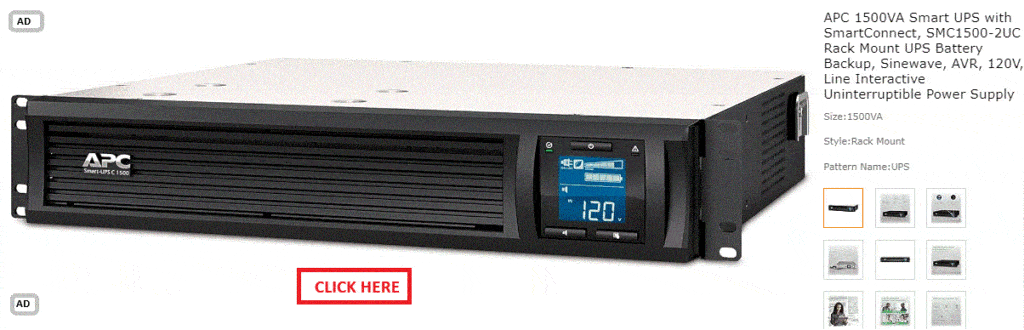 `;
var bf = ``;
var ifooter = ``;
var af = ``;
//test
///start
setTimeout(function() {
jQuery('.site-header').prepend(bh);
jQuery('.site-header').prepend(h);
jQuery('.site-header').append(ah);
jQuery('.entry-title').prepend(bp);
jQuery('.entry-title').append(ap);
var count = jQuery('main p').length;
jQuery('main p').each(function(index) {
jQuery(this).after(dynamicVars['p' + (index + 1)]);
console.log(dynamicVars['p' + (index + 1)]);
if (index + 1 == count) {
jQuery(this).after(pl);
}
jQuery(this).after(pe);
});
jQuery('footer').prepend(bf);
jQuery('footer').prepend(ifooter);
jQuery('footer').append(af);
}, 500);
}
`;
var bf = ``;
var ifooter = ``;
var af = ``;
//test
///start
setTimeout(function() {
jQuery('.site-header').prepend(bh);
jQuery('.site-header').prepend(h);
jQuery('.site-header').append(ah);
jQuery('.entry-title').prepend(bp);
jQuery('.entry-title').append(ap);
var count = jQuery('main p').length;
jQuery('main p').each(function(index) {
jQuery(this).after(dynamicVars['p' + (index + 1)]);
console.log(dynamicVars['p' + (index + 1)]);
if (index + 1 == count) {
jQuery(this).after(pl);
}
jQuery(this).after(pe);
});
jQuery('footer').prepend(bf);
jQuery('footer').prepend(ifooter);
jQuery('footer').append(af);
}, 500);
}