In the world of food preservation, vacuum sealer bags have emerged as a game-changer. You may have heard about them or even seen them in action, but understanding their significance can elevate your food storage practices. These specialized bags are designed to remove air from the packaging, creating a tight seal that helps keep your food fresh for longer periods.
Whether you are a culinary enthusiast, a meal prepper, or someone who simply wants to reduce food waste, vacuum sealer bags can be an invaluable addition to your kitchen arsenal. The technology behind vacuum sealing is relatively straightforward yet incredibly effective. By eliminating air from the bag, you significantly slow down the oxidation process that leads to spoilage.
This means that fruits, vegetables, meats, and even leftovers can maintain their flavor and nutritional value for weeks or even months longer than they would in traditional storage methods. As you delve deeper into the world of vacuum sealing, you will discover how these bags can transform your approach to food storage and meal preparation.
Key Takeaways
- Vacuum sealer bags are a popular food storage solution that helps to extend the shelf life of food items by removing air and sealing in freshness.
- Using vacuum sealer bags can help to prevent freezer burn, reduce food waste, and save money by buying in bulk and portioning out meals.
- Vacuum sealer bags can be found at local kitchen supply stores, big box retailers, and online marketplaces for convenient access.
- There are different types of vacuum sealer bags available, including pre-cut bags, rolls for custom sizing, and reusable silicone bags for eco-friendly options.
- To make the most of vacuum sealer bags, it’s important to properly seal and store food items, label bags with dates, and follow safety guidelines for vacuum sealing.
Benefits of Using Vacuum Sealer Bags
One of the most compelling reasons to incorporate vacuum sealer bags into your kitchen routine is their ability to extend the shelf life of food. When you vacuum seal items, you create an environment that is inhospitable to bacteria and mold, which thrive in oxygen-rich environments. This means that your perishable items can last significantly longer without losing their quality.
Imagine being able to buy fresh produce in bulk and storing it for weeks without worrying about spoilage—this is one of the many advantages that vacuum sealer bags offer. In addition to prolonging freshness, vacuum sealer bags also help you save money. By purchasing items in bulk and sealing them for later use, you can take advantage of sales and reduce the frequency of grocery trips.
This not only saves you money but also minimizes food waste, as you can store leftovers or excess ingredients without fear of them going bad. Furthermore, vacuum-sealed items take up less space in your freezer or pantry, allowing for more efficient organization and storage.
Where to Find Vacuum Sealer Bags Nearby
Finding vacuum sealer bags is easier than you might think. Many local grocery stores carry a selection of these bags, often located in the kitchen supplies or food storage aisle. If you prefer a more extensive variety, consider visiting specialty kitchenware stores or larger retailers that focus on home goods.
These places typically offer different sizes and types of vacuum sealer bags to suit your specific needs. If you’re looking for convenience, online shopping is another excellent option. Websites like Amazon and other e-commerce platforms provide a wide range of vacuum sealer bags, often with customer reviews to help guide your choice.
You can easily compare prices and find the best deals without leaving your home. Additionally, many brands offer subscription services that allow you to receive vacuum sealer bags regularly, ensuring that you never run out when you need them most.
Types of Vacuum Sealer Bags Available
When it comes to vacuum sealer bags, you will find a variety of options designed for different purposes. The most common types are standard vacuum sealer bags, which are typically made from durable plastic and come in various sizes. These bags are versatile and suitable for most food items, making them a staple in many kitchens.
You may also encounter pre-cut bags that save time and effort, allowing you to quickly seal items without the need for cutting and measuring. Another popular option is the roll-type vacuum sealer bag, which allows you to create custom-sized bags based on your needs. This flexibility is particularly useful when dealing with items of varying sizes or when you want to minimize waste by using only what you need.
Additionally, there are specialized vacuum sealer bags designed for sous vide cooking, which are made from materials that can withstand high temperatures without compromising the integrity of the food inside.
Tips for Using Vacuum Sealer Bags
To get the most out of your vacuum sealer bags, there are several tips and tricks you should keep in mind. First and foremost, ensure that the items you are sealing are dry and free from excess moisture. Any liquid can interfere with the sealing process and may lead to compromised seals or spoilage.
If you’re sealing items like fruits or vegetables that may release moisture, consider blanching them first or allowing them to dry thoroughly before sealing. Another important tip is to avoid overfilling the bags. While it may be tempting to pack as much as possible into each bag, leaving some space at the top allows for a proper seal and prevents air from being trapped inside.
Additionally, consider labeling your vacuum-sealed bags with the contents and date of sealing. This simple step will help you keep track of what you have stored and ensure that you use older items first.
How to Store Food with Vacuum Sealer Bags
Storing food with vacuum sealer bags is a straightforward process that can yield impressive results. Once you’ve sealed your items, it’s essential to store them properly to maximize their shelf life. For refrigerated items, place the sealed bags in the coldest part of your fridge to maintain optimal freshness.
For frozen items, ensure that your freezer is set at 0°F (-18°C) or lower to prevent freezer burn and maintain quality. When it comes to pantry storage, keep vacuum-sealed items in a cool, dark place away from direct sunlight and heat sources. This will help preserve their flavor and texture over time.
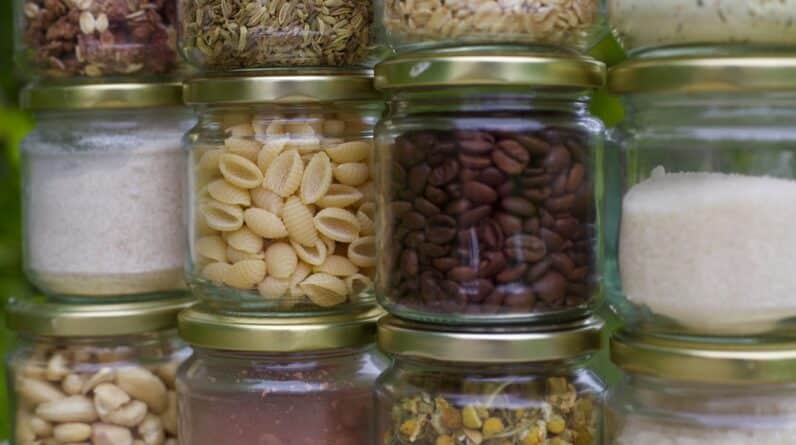
If you’re storing dry goods like grains or snacks in vacuum-sealed bags, consider using airtight containers for added protection against pests and moisture.
Maintenance and Care for Vacuum Sealer Bags
Taking care of your vacuum sealer bags is crucial for ensuring their longevity and effectiveness. After each use, inspect the bags for any signs of wear or damage. If you notice any punctures or tears, it’s best to discard them rather than risk compromising your food storage efforts.
Proper cleaning is also essential; if you’re using reusable vacuum sealer bags, wash them with warm soapy water and allow them to dry completely before storing them away. Additionally, be mindful of how many times you reuse a bag. While many vacuum sealer bags are designed for multiple uses, they do have a limit.
Over time, repeated use can lead to diminished sealing capabilities due to wear and tear on the material. To maintain optimal performance, consider designating specific bags for certain types of food—such as raw meats or marinades—to prevent cross-contamination.
Making the Most of Vacuum Sealer Bags
In conclusion, vacuum sealer bags offer a multitude of benefits that can enhance your food storage practices significantly. From extending shelf life to reducing waste and saving money, these bags are an essential tool for anyone looking to improve their kitchen efficiency. By understanding the various types available and following best practices for usage and care, you can make the most out of this innovative food preservation method.
As you incorporate vacuum sealer bags into your routine, you’ll likely find yourself enjoying fresher ingredients and more organized storage solutions. Whether you’re meal prepping for the week ahead or simply trying to keep your pantry tidy, these bags can help streamline your efforts while ensuring that your food remains delicious and nutritious for as long as possible. Embrace the convenience and effectiveness of vacuum sealing today—your taste buds will thank you!
If you are looking to upgrade your home theater experience, you may want to consider investing in the Sony VPL-XW6000ES Theater Projector. This projector offers outstanding native 4K resolution, providing a crisp and clear image for all your favorite movies and shows. Pairing this projector with a set of Vacuum Sealer Bags Nearby can help you keep your snacks fresh and ready for movie night. Check out our review of the Sony VPL-XW6000ES here.
FAQs
What are vacuum sealer bags?
Vacuum sealer bags are specially designed plastic bags used with vacuum sealers to remove air from the bag and create an airtight seal, preserving the freshness of the contents inside.
What are vacuum sealer bags used for?
Vacuum sealer bags are commonly used for food storage to extend the shelf life of perishable items such as meat, fruits, and vegetables. They can also be used for storing non-food items like clothing, documents, and other household items.
How do vacuum sealer bags work?
Vacuum sealer bags work by removing the air from the bag using a vacuum sealer machine, which creates an airtight seal around the contents. This helps to prevent oxidation, mold, and bacteria growth, preserving the freshness of the items inside.
Where can I find vacuum sealer bags nearby?
You can find vacuum sealer bags at kitchen supply stores, department stores, and online retailers. Additionally, some grocery stores and specialty food stores may also carry vacuum sealer bags for food storage purposes.
What are the benefits of using vacuum sealer bags?
Using vacuum sealer bags can help to extend the shelf life of food items, reduce food waste, and save money by allowing you to buy in bulk and store items for longer periods. They also help to maintain the flavor and quality of the contents inside the bag.