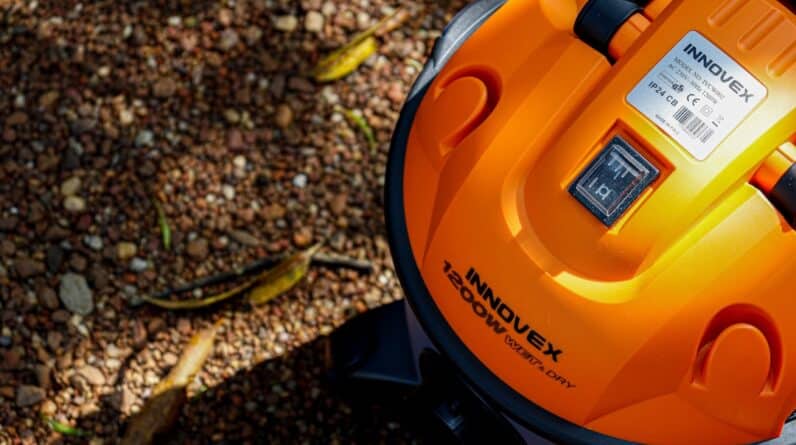
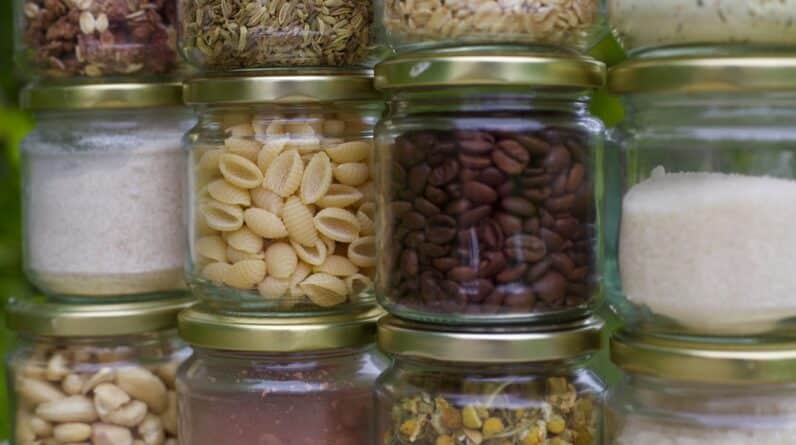
When it comes to preserving the freshness and quality of meat, vacuum sealing stands out as one of the most effective methods available. One of the primary benefits you will notice is the significant extension of shelf life. By removing air from the packaging, vacuum sealing inhibits the growth of bacteria and mold, which thrive in oxygen-rich environments.
This means that whether you’re storing beef, chicken, or pork, you can expect your meat to remain fresh for much longer than traditional storage methods would allow. You’ll find that vacuum-sealed meat can last up to five times longer in the freezer compared to meat stored in regular packaging. Another advantage you will appreciate is the preservation of flavor and texture.
When you vacuum seal meat, you create a barrier that prevents moisture loss and freezer burn, which can compromise the quality of your food. This means that when you finally decide to cook that steak or chicken breast, it will taste just as fresh as the day you sealed it. Additionally, vacuum sealing helps to lock in the natural juices and flavors of the meat, enhancing your culinary experience.
You’ll find that your meals not only look better but also taste better, making every bite a delight.
Key Takeaways
- Vacuum sealing meat helps to extend its shelf life and preserve its freshness
- Vacuum sealers work by removing air from the packaging, creating an airtight seal
- When choosing a vacuum sealer for meat, look for one with a strong suction power and durable sealing capabilities
- Tips for vacuum sealing meat include properly portioning the meat and using high-quality vacuum sealing bags
- Vacuum sealed meat should be stored in the refrigerator or freezer to maintain its quality and prevent spoilage
How Vacuum Sealers Work
Understanding how vacuum sealers work can help you appreciate their effectiveness in food preservation. At their core, vacuum sealers operate by removing air from a specially designed bag or container before sealing it shut. This process involves a vacuum pump that creates a low-pressure environment inside the bag, effectively sucking out the air.
Once the air is removed, the sealer uses heat to create an airtight seal, ensuring that no air can re-enter the bag. This simple yet ingenious mechanism is what makes vacuum sealing such a reliable method for preserving meat. You may also be interested to know that there are different types of vacuum sealers available on the market, each designed for specific needs.
Some models are handheld and portable, making them ideal for occasional use or small batches of meat. Others are more robust and designed for heavy-duty use, perfect for those who frequently buy in bulk or want to store large quantities of meat. Regardless of the type you choose, the fundamental principle remains the same: removing air to extend freshness and prevent spoilage.
Choosing the Right Vacuum Sealer for Meat
Selecting the right vacuum sealer for your meat preservation needs can significantly impact your experience and results. When considering your options, think about how often you plan to use the sealer and the volume of meat you typically store. If you’re an occasional user who only seals small portions, a compact handheld model may suffice.
However, if you frequently buy in bulk or prepare large cuts of meat, investing in a more powerful countertop model could be beneficial. Another factor to consider is the type of bags or containers compatible with your vacuum sealer. Some models require specific bags that are designed to withstand high temperatures or freezing conditions, while others may offer more versatility with various bag types.
Additionally, look for features such as adjustable sealing settings, built-in roll storage for custom-sized bags, and even marinating functions that can enhance your overall experience. By taking these factors into account, you can choose a vacuum sealer that best fits your lifestyle and meat preservation needs.
Tips for Vacuum Sealing Meat
To achieve optimal results when vacuum sealing meat, there are several tips you should keep in mind. First and foremost, always ensure that your meat is fresh before sealing it. The quality of the meat at the time of sealing will directly affect its taste and texture once thawed.
If you’re working with larger cuts, consider cutting them into smaller portions to make them easier to handle and store. This not only allows for quicker thawing but also helps you avoid waste by only defrosting what you need. Another important tip is to pre-freeze certain types of meat before vacuum sealing them.
For instance, items like ground beef or fish can be quite soft and may get squished during the sealing process. By placing them in the freezer for about an hour before sealing, you can firm them up slightly, making it easier to achieve a tight seal without compromising their shape. Additionally, always leave enough space at the top of the bag before sealing; this will ensure that the seal is secure and prevent any air from sneaking back in.
Storing Vacuum Sealed Meat
Once you’ve successfully vacuum sealed your meat, proper storage becomes crucial for maintaining its quality. Ideally, you should store vacuum-sealed meat in a cool, dark place if it’s not going into the freezer right away. A refrigerator is suitable for short-term storage; however, keep in mind that even vacuum-sealed meat has a limited shelf life in this environment—typically around one to two weeks depending on the type of meat.
For long-term storage, your best bet is to place the vacuum-sealed bags in the freezer. This not only extends their shelf life significantly but also ensures that they remain safe from spoilage. When organizing your freezer, consider labeling each bag with the date it was sealed and its contents.
This simple step will help you keep track of what you have on hand and ensure that you use older items first, minimizing waste and maximizing freshness.
Vacuum Sealing Meat for Freezing
Freezing is one of the most common methods for preserving vacuum-sealed meat, and for good reason. When done correctly, freezing can maintain the quality of your meat for months or even years without compromising its flavor or texture. To get started, make sure your vacuum sealer is set up properly and that you’re using high-quality freezer-safe bags designed specifically for this purpose.
Before placing your vacuum-sealed meat in the freezer, ensure that it’s laid flat in the bag to minimize space and promote even freezing. This not only helps with organization but also allows for quicker thawing later on. Additionally, avoid overpacking your freezer; proper airflow is essential for maintaining consistent temperatures throughout your frozen goods.
By following these guidelines, you can enjoy delicious meals made from perfectly preserved meat whenever you desire.
Vacuum Sealing Meat for Marinating
Vacuum sealing isn’t just about preservation; it can also enhance your cooking process by making marinating more effective. When you vacuum seal meat with marinade, you create an environment where flavors can penetrate deeply into the meat fibers more quickly than traditional marinating methods allow. The absence of air helps to break down proteins more efficiently, resulting in tender and flavorful dishes.
To marinate using a vacuum sealer, simply place your chosen marinade along with the meat into a vacuum bag and seal it according to your machine’s instructions. You’ll find that even short marinating times yield impressive results—often just 30 minutes to an hour can make a noticeable difference in flavor compared to hours spent in a traditional marinade container. This method not only saves time but also ensures that every bite is bursting with flavor.
Vacuum Sealing Meat for Sous Vide Cooking
If you’re looking to elevate your culinary skills further, consider using vacuum sealing as part of your sous vide cooking process. Sous vide involves cooking food slowly in a water bath at precise temperatures, resulting in perfectly cooked meals every time. Vacuum sealing is essential for this technique because it ensures that water doesn’t enter the bag while cooking and allows for even heat distribution.
To prepare meat for sous vide cooking, season it as desired and place it in a vacuum-sealed bag before immersing it in the water bath. The sealed environment allows flavors to meld beautifully while cooking at low temperatures over extended periods—often several hours or even days—without overcooking or drying out the meat. Once cooked, simply remove the bag from the water bath, give it a quick sear on a hot pan or grill for added texture and flavor, and enjoy a restaurant-quality meal right at home.
In conclusion, vacuum sealing meat offers numerous benefits ranging from extended shelf life to enhanced flavor profiles during cooking. By understanding how vacuum sealers work and choosing the right model for your needs, you can maximize your food preservation efforts while enjoying delicious meals prepared with ease. Whether you’re storing meat for freezing or marinating it for sous vide cooking, mastering this technique will undoubtedly elevate your culinary experience and reduce food waste in your kitchen.
If you’re looking to upgrade your kitchen appliances, you may also be interested in reading about the Procool Glass Merchandiser. This article provides a detailed review of a sleek and efficient glass door refrigerator that is perfect for displaying beverages and snacks in your home or business. Just like vacuum sealers for meat, this merchandiser can help you keep your food items fresh and organized.
FAQs
What is a vacuum sealer?
A vacuum sealer is a kitchen appliance that removes air from a package of food and seals it to preserve its freshness and flavor for a longer period of time.
How does a vacuum sealer work?
A vacuum sealer works by removing air from the packaging of food items, which helps to prevent the growth of bacteria and mold that can cause food to spoil. It then seals the package to maintain the vacuum and keep the food fresh.
Why use a vacuum sealer for meat?
Using a vacuum sealer for meat helps to extend the shelf life of the meat by removing air and sealing it in a vacuum, which prevents freezer burn and maintains the quality and flavor of the meat for a longer period of time.
What are the benefits of using a vacuum sealer for meat?
The benefits of using a vacuum sealer for meat include extending the shelf life of the meat, preventing freezer burn, preserving the flavor and quality of the meat, and reducing food waste.
Can vacuum-sealed meat be stored at room temperature?
No, vacuum-sealed meat should be stored in the refrigerator or freezer to maintain its freshness and prevent the growth of bacteria.
Are vacuum sealers easy to use?
Yes, vacuum sealers are generally easy to use and come with simple instructions for sealing food items, including meat.