In recent years, air purifiers have surged in popularity, becoming a staple in many households. You may have noticed them prominently displayed in stores or recommended by friends and family as essential devices for improving indoor air quality. These machines are designed to filter out pollutants, allergens, and other harmful particles from the air you breathe, creating a healthier living environment.
With increasing awareness of air quality issues, particularly in urban areas, the demand for air purifiers has skyrocketed, leading to a diverse market filled with various models and technologies. As you consider investing in an air purifier, it’s essential to understand not only how they work but also the broader implications of their use. While these devices can offer significant benefits, they are not without their drawbacks.
You may find yourself weighing the pros and cons as you navigate the complexities of air purification technology. This article will delve into the potential health risks, environmental impact, hidden costs, effectiveness, maintenance requirements, noise levels, and alternatives to air purifiers, providing you with a comprehensive overview to make an informed decision.
Key Takeaways
- Air purifiers can help improve indoor air quality by removing pollutants and allergens.
- Potential health risks of air purifiers include ozone emissions and exposure to harmful chemicals.
- Air purifiers can have a negative environmental impact due to energy consumption and disposal of filters.
- Hidden costs of air purifiers may include filter replacements, electricity usage, and maintenance.
- Air purifiers have limitations in their effectiveness in removing certain pollutants and may not be a complete solution for indoor air quality.
Potential Health Risks of Air Purifiers
Filtration Systems and Ozone Generators
One of the primary concerns is the type of filtration system used in the purifier. Some models utilize ozone generators, which can release ozone into the air. Ozone is known to irritate the respiratory system and can exacerbate conditions such as asthma or chronic obstructive pulmonary disease (COPD).
Inconsistent Effectiveness Against Pollutants
The effectiveness of air purifiers can vary significantly based on their design and the specific pollutants they target. Certain models may be excellent at capturing larger particles like dust and pet dander but less effective against smaller pollutants such as volatile organic compounds (VOCs) or bacteria. This inconsistency can lead to a false sense of security regarding indoor air quality.
Choosing the Right Air Purifier for Your Needs
It’s essential to research and select a model that aligns with your specific needs and concerns to avoid potential health risks associated with inadequate filtration. If you or someone in your household suffers from respiratory issues, it’s crucial to choose a purifier that does not produce ozone as a byproduct. By making an informed decision, you can ensure that your air purifier is a health-enhancing device rather than a health risk.
Environmental Impact of Air Purifiers
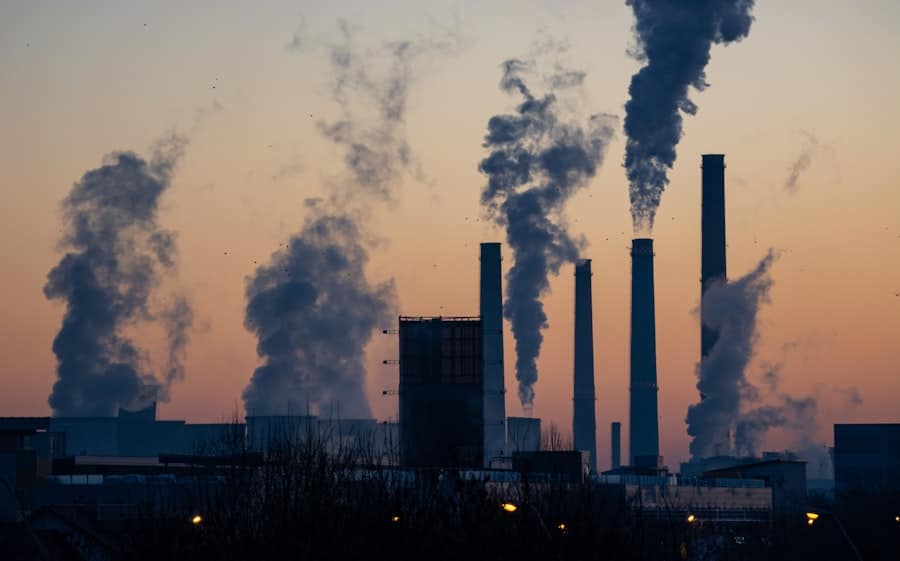
As you contemplate the purchase of an air purifier, it’s important to consider its environmental impact. The production and disposal of these devices contribute to electronic waste, which is a growing concern globally. Many air purifiers contain components that are not easily recyclable, leading to increased landfill waste.
When you invest in an air purifier, you should also think about its lifecycle and how it fits into your commitment to sustainability. Additionally, the energy consumption of air purifiers can be significant, especially if you plan to run them continuously. Depending on the model and its energy efficiency rating, you may find that your electricity bill increases as a result of using the device regularly.
This added energy demand can contribute to a larger carbon footprint, particularly if your electricity is sourced from fossil fuels. To mitigate this impact, consider looking for energy-efficient models that have been certified by organizations such as ENERGY STAR, ensuring that you are making a more environmentally friendly choice.
Hidden Costs of Air Purifiers
When budgeting for an air purifier, it’s easy to focus solely on the initial purchase price. However, hidden costs can quickly add up and catch you off guard. One significant expense is the replacement filters that most air purifiers require.
Depending on the model and usage frequency, you may need to replace filters every few months or even more frequently. These costs can accumulate over time and should be factored into your overall budget when considering an air purifier. In addition to filter replacements, there may be other associated costs that you might not have considered.
For example, some advanced models come with features such as smart technology or additional functionalities that may require subscription services for optimal use. These ongoing fees can add an unexpected financial burden. As you evaluate different options, it’s wise to read the fine print and understand all potential costs involved in maintaining your air purifier over its lifespan.
Effectiveness and Limitations of Air Purifiers
Air purifiers can be effective tools for improving indoor air quality, but they do have limitations that you should keep in mind. While they excel at removing particulate matter from the air, such as dust and pollen, they may not be as effective against gases or odors unless specifically designed for those purposes. You might find that while your air purifier significantly reduces allergens, it does little to eliminate unpleasant smells from cooking or pets.
Furthermore, the effectiveness of an air purifier is often contingent upon its placement within your home. If you place it in a corner or behind furniture, its ability to circulate air effectively diminishes. To maximize its performance, you should position the unit in a central location where it can draw in air from all directions.
Additionally, keep in mind that air purifiers are not a substitute for proper ventilation; they work best when used in conjunction with other methods of maintaining good indoor air quality.
Maintenance and Upkeep of Air Purifiers
Filter Maintenance
Depending on the model you choose, filter maintenance can vary significantly; some require monthly changes while others may last up to six months or longer. You should familiarize yourself with your specific model’s maintenance schedule to avoid decreased performance due to clogged filters.
Cleaning the Exterior
Cleaning the exterior of your air purifier is also important for maintaining its functionality and appearance. Dust and debris can accumulate on the surface and affect airflow if not addressed regularly.
Scheduling Reminders
You might find it helpful to set reminders for both filter replacements and general cleaning tasks to keep your device in optimal condition. By committing to regular upkeep, you can extend the lifespan of your air purifier and ensure that it continues to provide clean air for your home.
Noise and Disturbance from Air Purifiers
Noise levels can be a significant factor when choosing an air purifier, especially if you plan to use it in a bedroom or other quiet space. Some models operate quietly while others can produce noticeable sounds that may disrupt your peace. You should pay attention to decibel ratings when researching different units; many manufacturers provide this information so you can gauge how loud a particular model will be during operation.
If noise is a concern for you, consider looking for purifiers with multiple fan speed settings or those specifically designed for quiet operation. Many modern units come equipped with “sleep modes” that reduce noise levels during nighttime use. By selecting a model that aligns with your noise tolerance levels, you can enjoy cleaner air without sacrificing comfort or tranquility in your living space.
Alternatives to Air Purifiers
While air purifiers offer a convenient solution for improving indoor air quality, they are not the only option available to you. There are several alternatives worth considering that may suit your needs just as well—if not better—depending on your specific circumstances. For instance, increasing ventilation by opening windows or using exhaust fans can help reduce indoor pollutants naturally by allowing fresh outdoor air to circulate through your home.
Another alternative is incorporating houseplants into your living space. Certain plants are known for their ability to absorb toxins and improve air quality through natural processes. You might find that adding greenery not only enhances your home’s aesthetic but also contributes positively to your indoor environment.
Additionally, regular cleaning practices such as dusting surfaces and vacuuming carpets can significantly reduce allergens without relying solely on mechanical devices. In conclusion, while air purifiers can be beneficial for enhancing indoor air quality, it’s essential to weigh their potential health risks, environmental impact, hidden costs, effectiveness limitations, maintenance needs, noise levels, and available alternatives before making a decision. By taking these factors into account, you can make an informed choice that best suits your lifestyle and health needs while ensuring a cleaner living environment for yourself and your loved ones.
While air purifiers are commonly used to improve indoor air quality, there are some potential drawbacks to consider. One related article worth exploring is a review of the Linodi Weight Bench from Ultimate Discount Store. This article highlights the importance of maintaining a healthy lifestyle beyond just improving air quality in your home. It serves as a reminder that overall wellness involves a combination of factors, including exercise and proper nutrition. By incorporating a balanced approach to health and wellness, individuals can create a more holistic environment for themselves and their families. Check out the Linodi Weight Bench review here.
FAQs
What are the potential health risks of air purifiers?
Air purifiers can produce ozone, which can be harmful to the respiratory system, especially for people with asthma or other respiratory conditions. Additionally, some air purifiers can release harmful byproducts when they react with indoor air pollutants.
Do air purifiers produce any harmful byproducts?
Some air purifiers can produce harmful byproducts such as formaldehyde and other volatile organic compounds (VOCs) when they react with indoor air pollutants. These byproducts can contribute to indoor air pollution and have potential health risks.
Can air purifiers cause respiratory issues?
Air purifiers that produce ozone can cause respiratory issues, especially for individuals with asthma or other respiratory conditions. Ozone can irritate the lungs and exacerbate respiratory symptoms.
Are there any environmental concerns associated with air purifiers?
Some air purifiers can contribute to indoor air pollution by producing harmful byproducts, which can have environmental impacts. Additionally, the energy consumption of air purifiers can contribute to overall environmental impact.
What are some safety precautions to consider when using air purifiers?
When using air purifiers, it is important to choose models that do not produce ozone and to regularly maintain and clean the filters to prevent the buildup of harmful byproducts. It is also important to follow the manufacturer’s instructions and recommendations for safe use.