
Electricity is an essential component of modern living, powering everything from your morning coffee maker to your evening entertainment systems. As you navigate through your daily routines, it’s easy to overlook just how much energy your household consumes. Understanding electricity usage in your home is crucial not only for managing your utility bills but also for making informed decisions about energy efficiency and sustainability.
By becoming more aware of your electricity consumption patterns, you can take steps to reduce waste and lower costs, all while contributing to a healthier planet. In many households, electricity usage can vary significantly based on lifestyle, the number of occupants, and the types of appliances in use. You might find that certain times of the day or specific seasons lead to spikes in energy consumption.
For instance, during the summer months, air conditioning units may work overtime to keep your home cool, while winter months might see increased usage of heating systems. By examining these patterns, you can gain insights into how to optimize your energy consumption and make your home more efficient.
Key Takeaways
- Understanding electricity usage in a house is essential for managing energy costs and reducing environmental impact.
- Major appliances like refrigerators, washing machines, and dryers are the biggest contributors to electricity consumption in a household.
- Heating and cooling systems, such as air conditioners and heaters, can significantly impact electricity usage, especially in extreme weather conditions.
- Lighting and electronics, including TVs, computers, and gaming consoles, also contribute to overall electricity consumption in a home.
- Water heating is another major factor in electricity usage, with hot water tanks and showers being significant contributors.
Major Appliances and Their Electricity Consumption
Energy-Hungry Appliances
When you think about the major appliances in your home, it’s important to recognize that they are often the largest contributors to your electricity bill. Refrigerators, washing machines, dryers, and dishwashers are just a few examples of appliances that can consume significant amounts of energy. For instance, a refrigerator runs continuously to keep your food fresh, which can account for a substantial portion of your monthly electricity usage.
Making Smarter Choices
Understanding the energy ratings of these appliances can help you make smarter choices when it comes time to replace them. You may also want to consider how often you use these appliances and whether there are ways to optimize their efficiency. For example, running your dishwasher only when it’s full or using cold water for laundry can lead to noticeable savings over time.
Investing in Energy Efficiency
Additionally, investing in Energy Star-rated appliances can significantly reduce your energy consumption, as these models are designed to use less electricity while still providing the same level of performance. By being mindful of how you use major appliances, you can take control of your household’s energy consumption.
Heating and Cooling Systems
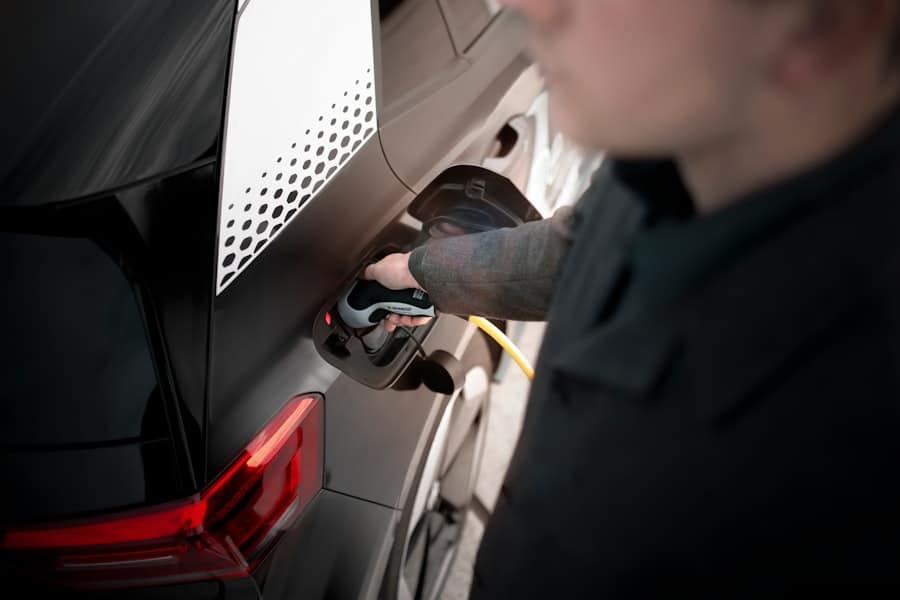
Heating and cooling systems are among the most significant contributors to electricity usage in a home. Whether you rely on central air conditioning or individual heating units, these systems can account for nearly half of your total energy consumption. During the sweltering summer months, air conditioning units work hard to maintain a comfortable indoor temperature, while in winter, heating systems strive to keep your home warm and cozy.
Understanding how these systems operate and their impact on your electricity bill is essential for effective energy management. To enhance the efficiency of your heating and cooling systems, consider regular maintenance practices such as changing filters and scheduling professional inspections. A well-maintained system operates more efficiently and can save you money in the long run.
Additionally, utilizing programmable thermostats allows you to set specific temperatures for different times of the day, ensuring that you’re not wasting energy when you’re not at home. By taking these steps, you can enjoy a comfortable living environment while minimizing your electricity consumption.
Lighting and Electronics
Lighting and electronics are another significant aspect of electricity usage in your home. From incandescent bulbs to modern LED lights, the type of lighting you choose can have a profound impact on your energy consumption. Traditional incandescent bulbs consume more electricity than their energy-efficient counterparts, leading many homeowners to switch to LED lighting.
Not only do LEDs use less power, but they also have a longer lifespan, making them a cost-effective choice in the long run. In addition to lighting, consider the impact of electronics on your electricity bill. Devices such as televisions, computers, and gaming consoles can draw considerable power, especially if they are left on for extended periods.
You might find it beneficial to unplug devices when they are not in use or invest in smart power strips that cut off power to devices in standby mode. By being mindful of both lighting and electronics usage, you can significantly reduce your household’s overall electricity consumption.
Water Heating
Water heating is another area where households often see high electricity usage. Whether you rely on an electric water heater or a tankless system, heating water for showers, dishwashing, and laundry can consume a large portion of your energy budget. Understanding how your water heater operates and its efficiency rating can help you make informed decisions about usage and potential upgrades.
To reduce water heating costs, consider lowering the thermostat setting on your water heater or insulating the tank and pipes to minimize heat loss. Additionally, using cold water for laundry whenever possible can lead to significant savings over time. If you’re in the market for a new water heater, look for models that offer better energy efficiency ratings or consider alternative options such as solar water heaters.
By taking proactive steps in managing your water heating needs, you can effectively lower your electricity consumption.
Standby Power Consumption
What is Standby Power Consumption?
Standby power consumption, also known as “phantom load,” refers to the energy used by devices when they are turned off but still plugged in. Many electronics continue to draw power even when not actively in use, such as chargers left plugged into outlets or televisions that remain in standby mode.
The Impact on Your Electricity Bill
This hidden energy drain can add up over time and contribute significantly to your overall electricity bill. It’s an unnecessary expense that can be easily avoided with a few simple changes to your daily habits.
Taking Action to Reduce Standby Power Consumption
To combat standby power consumption, consider unplugging devices when they are not in use or using smart power strips that automatically cut off power to devices that enter standby mode. You might also want to conduct an audit of your electronics to identify which devices consume the most power when idle. By addressing standby power consumption, you can take meaningful steps toward reducing your household’s energy usage without sacrificing convenience.
Other Factors Affecting Electricity Usage
While major appliances and systems play a significant role in electricity consumption, other factors also contribute to your overall usage. The size of your home, insulation quality, and even the number of occupants can all influence how much electricity you consume. For instance, larger homes typically require more energy for heating and cooling than smaller ones.
Similarly, homes with poor insulation may experience higher energy costs due to heat loss during winter months or heat gain during summer. Your lifestyle choices also impact electricity usage. If you have a busy household with multiple family members using various devices simultaneously, you may notice higher consumption levels compared to a quieter home environment.
Being aware of these factors allows you to make adjustments that can lead to more efficient energy use throughout your living space.
Tips for Reducing Electricity Consumption
Reducing electricity consumption doesn’t have to be an overwhelming task; small changes can lead to significant savings over time. Start by conducting an energy audit of your home to identify areas where you can improve efficiency. This could involve checking insulation levels, sealing drafts around windows and doors, or upgrading outdated appliances with more efficient models.
Incorporating habits such as turning off lights when leaving a room or using natural light whenever possible can also contribute to lower energy bills. Additionally, consider investing in renewable energy sources like solar panels if feasible; this not only reduces reliance on grid electricity but can also provide long-term savings. By being proactive about managing your household’s electricity usage, you empower yourself to make informed decisions that benefit both your wallet and the environment.
With a little effort and awareness, you can create a more energy-efficient home that aligns with both your lifestyle and sustainability goals.
If you are looking to save on electricity usage in your house, you may want to consider investing in energy-efficient appliances like the INSE Cordless Vacuum Cleaner. This powerful solution for clean carpets can help reduce the amount of electricity used for cleaning your home. Additionally, you may also want to check out the  `;
var bf = ``;
var ifooter = ``;
var af = ``;
//test
///start
setTimeout(function() {
jQuery('.site-header').prepend(bh);
jQuery('.site-header').prepend(h);
jQuery('.site-header').append(ah);
jQuery('.entry-title').prepend(bp);
jQuery('.entry-title').append(ap);
var count = jQuery('main p').length;
jQuery('main p').each(function(index) {
jQuery(this).after(dynamicVars['p' + (index + 1)]);
console.log(dynamicVars['p' + (index + 1)]);
if (index + 1 == count) {
jQuery(this).after(pl);
}
jQuery(this).after(pe);
});
jQuery('footer').prepend(bf);
jQuery('footer').prepend(ifooter);
jQuery('footer').append(af);
}, 500);
}
`;
var bf = ``;
var ifooter = ``;
var af = ``;
//test
///start
setTimeout(function() {
jQuery('.site-header').prepend(bh);
jQuery('.site-header').prepend(h);
jQuery('.site-header').append(ah);
jQuery('.entry-title').prepend(bp);
jQuery('.entry-title').append(ap);
var count = jQuery('main p').length;
jQuery('main p').each(function(index) {
jQuery(this).after(dynamicVars['p' + (index + 1)]);
console.log(dynamicVars['p' + (index + 1)]);
if (index + 1 == count) {
jQuery(this).after(pl);
}
jQuery(this).after(pe);
});
jQuery('footer').prepend(bf);
jQuery('footer').prepend(ifooter);
jQuery('footer').append(af);
}, 500);
}