
In today’s world, where air quality is often compromised by pollution, allergens, and indoor contaminants, air purifiers have emerged as essential devices for maintaining a healthy living environment. You may have noticed an increasing number of households investing in these machines, and for good reason. Air purifiers work by filtering out harmful particles from the air, including dust, pet dander, pollen, smoke, and even volatile organic compounds (VOCs).
By doing so, they help to create a cleaner atmosphere that can significantly improve your overall well-being. Understanding how air purifiers function is crucial for maximizing their benefits. Most models utilize a combination of filters, including HEPA filters, activated carbon filters, and sometimes even UV light technology.
These components work together to capture and neutralize pollutants, ensuring that the air you breathe is as pure as possible. As you consider incorporating an air purifier into your home, it’s important to recognize not only the device’s capabilities but also the strategic placement of the unit to optimize its effectiveness.
Key Takeaways
- Air purifiers help to remove airborne contaminants and improve indoor air quality.
- Proper placement of air purifiers is crucial for maximum effectiveness.
- In the living room, place the air purifier near the center of the room for optimal coverage.
- In the bedroom, position the air purifier near the bed to ensure clean air while sleeping.
- In the kitchen, place the air purifier away from cooking areas to prevent grease and odors from clogging the filters.
- In the home office, consider a compact air purifier to maintain a clean and healthy work environment.
- In the basement, place the air purifier near potential sources of mold and mildew to prevent their spread.
- Regular maintenance and filter replacement are essential for the continued effectiveness of air purifiers.
Importance of Placement
Common Mistakes to Avoid
One common mistake people make is placing their air purifier in a corner or behind furniture, which can obstruct airflow and reduce its effectiveness. This can lead to poor air circulation and a decrease in the device’s ability to capture pollutants.
Optimal Placement Strategies
To get the most out of your air purifier, consider placing it in areas where you spend the most time or where air quality issues are most prevalent. This could mean positioning it near sources of pollution, such as cooking areas or pet spaces. By placing the unit in these areas, you can maximize its ability to capture pollutants and provide cleaner air.
Additional Tips for Better Airflow
Keeping the unit away from walls and furniture is also crucial for better airflow and circulation. By being mindful of where you place your air purifier, you can enhance its ability to provide you with cleaner air and improve your overall indoor air quality.
Living Room
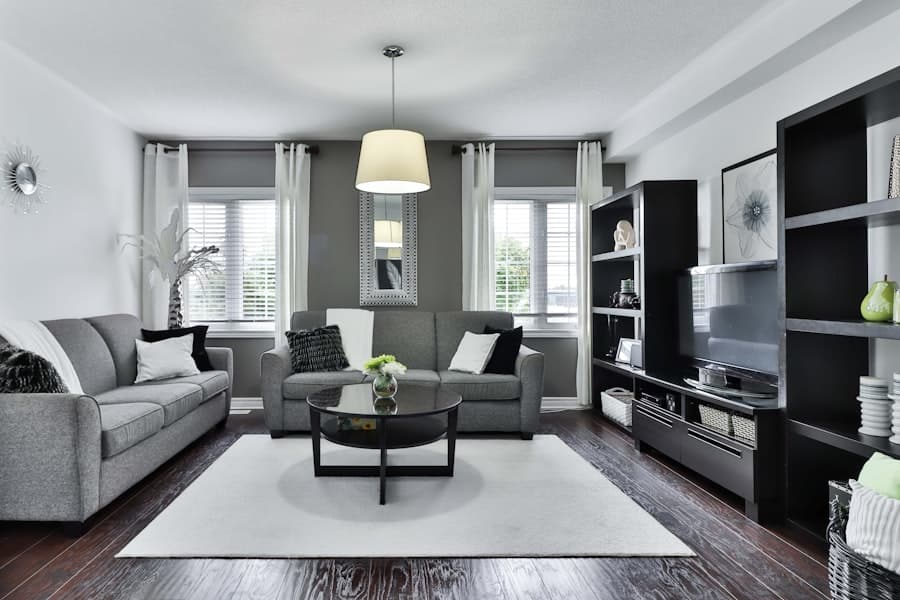
The living room is often the heart of your home—a space where you relax, entertain guests, and spend quality time with family. Given its multifunctional nature, this area can also be a hotspot for airborne pollutants. Dust from furniture, allergens from pets, and smoke from candles or fireplaces can all contribute to poor air quality.
Therefore, placing an air purifier in your living room is a wise decision. When positioning your air purifier in the living room, consider placing it near the center of the room or in a location where it can easily circulate air throughout the space. Avoid placing it behind large furniture or in corners where airflow may be restricted.
If your living room has multiple levels or sections, you might even consider using more than one unit to ensure comprehensive coverage. By doing so, you create a healthier environment for yourself and your guests, allowing everyone to breathe easier while enjoying their time together.
Bedroom
Your bedroom should be a sanctuary—a place for rest and rejuvenation. However, many factors can compromise the air quality in this intimate space. Dust mites, pet dander, and even mold can accumulate in bedrooms, leading to disrupted sleep and respiratory issues.
An air purifier can be a game-changer in creating a healthier sleeping environment. When setting up an air purifier in your bedroom, aim to place it close to your bed but not directly beside it. This allows the unit to effectively filter the air without causing any noise disturbances that might disrupt your sleep.
Additionally, consider running the purifier continuously while you sleep to ensure that you’re breathing clean air throughout the night. If you have allergies or asthma, this can be particularly beneficial in reducing nighttime symptoms and promoting better sleep quality.
Kitchen
The kitchen is often referred to as the heart of the home, but it can also be a source of various airborne pollutants. Cooking releases smoke, grease particles, and odors that can linger long after a meal is prepared. An air purifier in this space can help mitigate these issues by filtering out unwanted particles and improving overall air quality.
When placing an air purifier in your kitchen, consider positioning it near cooking appliances like the stove or oven. This strategic placement allows the unit to capture smoke and odors as they are released into the air. However, be cautious not to place it too close to heat sources or areas where it may get splashed with water.
Additionally, running an exhaust fan while cooking can complement the efforts of your air purifier by removing excess moisture and odors from the kitchen environment.
Home Office

Optimizing Air Quality with an Air Purifier
An air purifier can play a crucial role in creating a healthier workspace by filtering out dust, allergens, and other pollutants that may accumulate over time. By removing these impurities, you can breathe easier and stay focused on your tasks.
Strategic Placement for Maximum Benefit
When setting up your home office, consider placing the air purifier near your desk or workstation. This ensures that you’re breathing clean air while you work on tasks that require concentration. Additionally, if you have plants in your office space, an air purifier can work synergistically with them to create an even healthier environment.
Maintenance Tips for Optimal Performance
Remember to keep the air purifier unit free from obstructions to maximize airflow and efficiency. By following these simple tips, you can create a home office that is not only productive but also healthy and comfortable.
Basement
Basements are often overlooked when it comes to air quality management; however, they can harbor various pollutants such as mold spores, dust mites, and even radon gas in some areas. If you use your basement for storage or as a recreational space, investing in an air purifier is essential for maintaining a healthy atmosphere. When placing an air purifier in your basement, consider positioning it away from walls and furniture to allow for optimal airflow.
If your basement has multiple rooms or sections, you may want to use more than one unit to ensure comprehensive coverage throughout the entire area. Additionally, keep an eye on humidity levels in your basement; if they are consistently high, using a dehumidifier alongside your air purifier can help prevent mold growth and further improve indoor air quality.
Conclusion and Final Tips
In conclusion, incorporating an air purifier into your home is a proactive step toward enhancing your indoor air quality and overall health. However, understanding the importance of placement cannot be overstated; where you position your unit can significantly impact its effectiveness. By strategically placing your air purifier in key areas such as the living room, bedroom, kitchen, home office, and basement, you can create a cleaner environment that promotes well-being.
As you embark on this journey toward better indoor air quality, remember a few final tips: regularly change or clean filters according to manufacturer recommendations to maintain optimal performance; avoid placing the unit near drafts or heat sources; and consider using multiple units if you have a larger home or specific areas with higher pollution levels. By taking these steps and being mindful of placement, you’ll be well on your way to enjoying cleaner air throughout your home.
If you are looking to improve the air quality in your home, you may also be interested in checking out the Elkay LZS8WSSP WaterSentry Replacement Filter. This filter can help ensure that the water you use is clean and safe for consumption. Additionally, if you are interested in upgrading your bathroom, you may want to read the review of the Veken 12-Inch Shower Head. And for those looking to stay fit at home, the  `;
var bf = ``;
var ifooter = ``;
var af = ``;
//test
///start
setTimeout(function() {
jQuery('.site-header').prepend(bh);
jQuery('.site-header').prepend(h);
jQuery('.site-header').append(ah);
jQuery('.entry-title').prepend(bp);
jQuery('.entry-title').append(ap);
var count = jQuery('main p').length;
jQuery('main p').each(function(index) {
jQuery(this).after(dynamicVars['p' + (index + 1)]);
console.log(dynamicVars['p' + (index + 1)]);
if (index + 1 == count) {
jQuery(this).after(pl);
}
jQuery(this).after(pe);
});
jQuery('footer').prepend(bf);
jQuery('footer').prepend(ifooter);
jQuery('footer').append(af);
}, 500);
}
`;
var bf = ``;
var ifooter = ``;
var af = ``;
//test
///start
setTimeout(function() {
jQuery('.site-header').prepend(bh);
jQuery('.site-header').prepend(h);
jQuery('.site-header').append(ah);
jQuery('.entry-title').prepend(bp);
jQuery('.entry-title').append(ap);
var count = jQuery('main p').length;
jQuery('main p').each(function(index) {
jQuery(this).after(dynamicVars['p' + (index + 1)]);
console.log(dynamicVars['p' + (index + 1)]);
if (index + 1 == count) {
jQuery(this).after(pl);
}
jQuery(this).after(pe);
});
jQuery('footer').prepend(bf);
jQuery('footer').prepend(ifooter);
jQuery('footer').append(af);
}, 500);
}