In today’s fast-paced world, technology continues to evolve, making our lives more convenient and efficient. One of the most significant advancements in home automation is the introduction of Wi-Fi smart thermostats. These devices not only allow you to control your home’s heating and cooling systems remotely but also offer a range of features that enhance comfort and energy efficiency.
As you consider upgrading your home’s climate control system, understanding the capabilities and advantages of Wi-Fi smart thermostats can help you make an informed decision. Wi-Fi smart thermostats are designed to learn your preferences and adjust accordingly, providing a personalized experience that traditional thermostats simply cannot match. With the ability to connect to your home’s Wi-Fi network, these devices enable you to monitor and manage your home’s temperature from anywhere using your smartphone or tablet.
This level of control not only enhances comfort but also contributes to energy savings, making them an attractive option for homeowners looking to optimize their living spaces.
Key Takeaways
- Wi-fi smart thermostats offer remote access and control, energy efficiency, and integration with smart home systems.
- These thermostats work by connecting to a home’s Wi-fi network and allowing users to control the temperature and settings from their smartphone or other devices.
- Benefits of Wi-fi smart thermostats include energy savings, convenience, and the ability to customize and program temperature settings.
- Compared to traditional thermostats, Wi-fi smart thermostats offer greater flexibility, energy savings, and the ability to integrate with other smart home devices.
- Installation and set-up of Wi-fi smart thermostats can be done by following the manufacturer’s instructions and using a compatible app for configuration.
How Wi-fi Smart Thermostats Work
At the core of a Wi-Fi smart thermostat is its ability to connect to the internet, allowing it to communicate with your smartphone or other smart devices. When you install a smart thermostat, it typically requires a Wi-Fi connection and may need to be linked to an app on your mobile device. Once connected, the thermostat can receive commands and send data back to you, such as current temperature readings and energy usage statistics.
The operation of these devices goes beyond simple temperature control. Many smart thermostats are equipped with sensors that detect occupancy, humidity levels, and even weather forecasts. This data allows the thermostat to make intelligent decisions about when to heat or cool your home, ensuring that you are comfortable while minimizing energy consumption.
By learning your habits over time, these devices can create schedules that align with your lifestyle, adjusting temperatures automatically based on when you are home or away.
Benefits of Wi-fi Smart Thermostats

One of the primary benefits of Wi-Fi smart thermostats is their ability to enhance energy efficiency. By optimizing heating and cooling schedules based on your habits and preferences, these devices can significantly reduce energy consumption. This not only leads to lower utility bills but also contributes to a more sustainable lifestyle by reducing your carbon footprint.
You may find that simply by switching to a smart thermostat, you can save a substantial amount on your energy costs over time. In addition to energy savings, Wi-Fi smart thermostats offer unparalleled convenience. With remote access capabilities, you can adjust your home’s temperature from virtually anywhere.
Whether you’re at work, on vacation, or simply lounging on the couch, you have the power to control your home’s climate with just a few taps on your smartphone. This level of control means you can ensure your home is always at the perfect temperature when you arrive, enhancing your overall comfort and satisfaction.
Comparison of Wi-fi Smart Thermostats to Traditional Thermostats
When comparing Wi-Fi smart thermostats to traditional models, the differences become quite apparent. Traditional thermostats typically require manual adjustments and lack the ability to learn from your behavior or preferences. You may find yourself constantly fiddling with the dial or buttons, trying to achieve the ideal temperature.
In contrast, smart thermostats automate this process, learning your habits and adjusting settings accordingly without any input from you. Moreover, traditional thermostats often lack connectivity features, meaning you cannot control them remotely or receive real-time updates about your home’s climate. This limitation can be frustrating, especially if you forget to adjust the temperature before leaving for an extended period.
With a Wi-Fi smart thermostat, you can easily check and modify settings from anywhere, providing peace of mind and greater control over your home environment.
Installation and Set-up of Wi-fi Smart Thermostats
Installing a Wi-Fi smart thermostat may seem daunting at first, but many models are designed for easy installation that can be completed in just a few steps. Before beginning the installation process, it’s essential to turn off the power to your heating and cooling system to ensure safety. Once the power is off, you can remove your old thermostat and take note of the wiring configuration.
Most smart thermostats come with detailed instructions that guide you through connecting the wires correctly. After wiring is complete, you’ll mount the new thermostat on the wall and restore power to your system. The next step involves connecting the thermostat to your home’s Wi-Fi network.
This usually requires downloading a companion app on your smartphone and following prompts to link the device to your network. Once set up is complete, you’ll be able to access all the features and functionalities that make smart thermostats so appealing.
Programming and Customization Options for Wi-fi Smart Thermostats
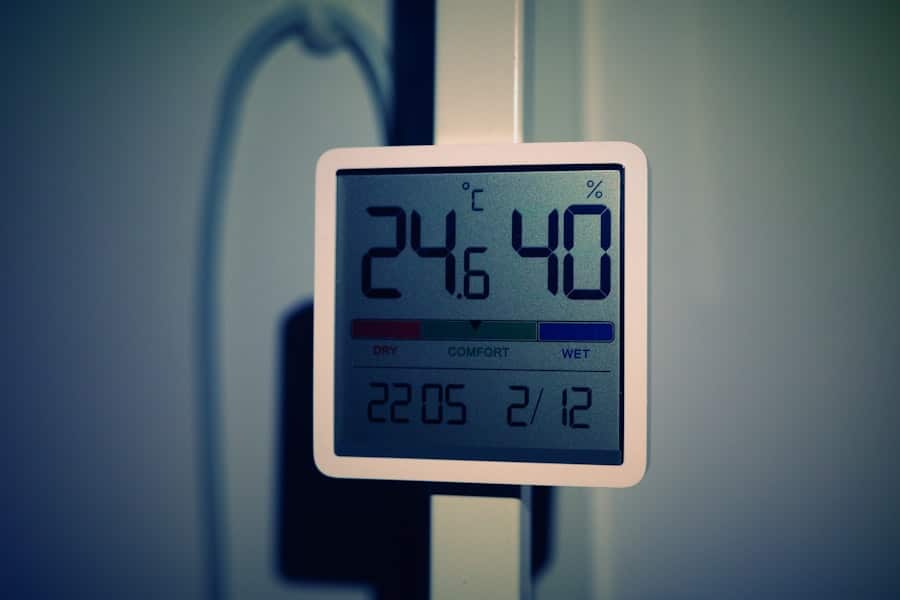
One of the standout features of Wi-Fi smart thermostats is their extensive programming and customization options. Most models allow you to create personalized schedules based on your daily routine. For instance, if you typically leave for work at 8 AM and return around 6 PM, you can program the thermostat to lower the temperature during those hours and raise it just before you arrive home.
This level of customization ensures that you’re not wasting energy while also maintaining comfort when you need it most. In addition to scheduling, many smart thermostats offer additional features such as geofencing technology. This allows the thermostat to detect when you are approaching home based on your smartphone’s location and adjust the temperature accordingly.
This means that when you’re just a few minutes away, your home will be at a comfortable temperature by the time you walk through the door. Such advanced programming options make it easy for you to tailor your home’s climate control system precisely to your lifestyle.
Integration with Smart Home Systems
Wi-Fi smart thermostats often serve as integral components of broader smart home systems. If you have other smart devices in your home—such as smart lights, security cameras, or voice assistants—integrating them with your thermostat can enhance functionality and convenience. For example, many smart thermostats are compatible with platforms like Amazon Alexa or Google Assistant, allowing you to control them using voice commands.
This integration can lead to more cohesive automation throughout your home. You might set up routines where certain actions trigger changes in temperature; for instance, when you leave for work in the morning, your security system activates while simultaneously adjusting the thermostat to save energy. The seamless interaction between devices creates a more efficient and user-friendly environment that caters specifically to your needs.
Energy Efficiency and Cost Savings with Wi-fi Smart Thermostats
Energy efficiency is one of the most compelling reasons homeowners choose Wi-Fi smart thermostats over traditional models. By utilizing advanced algorithms and real-time data analysis, these devices optimize heating and cooling cycles based on actual usage patterns rather than fixed schedules. This means that they can significantly reduce energy waste by ensuring that systems are only running when necessary.
The cost savings associated with these devices can be substantial over time. Many users report reductions in their monthly energy bills after switching to a smart thermostat—some estimates suggest savings of up to 30% annually on heating and cooling costs. Additionally, some utility companies offer rebates for installing energy-efficient devices like smart thermostats, further enhancing their financial appeal.
Remote Access and Control of Wi-fi Smart Thermostats
The ability to access and control your thermostat remotely is one of the most significant advantages of Wi-Fi smart thermostats. Whether you’re at work or on vacation, having this level of control means you can adjust settings as needed without being physically present in your home. If unexpected weather changes occur or if plans shift unexpectedly, you can easily modify the temperature from anywhere using your smartphone.
This remote access feature also allows for peace of mind when it comes to home security and comfort. For instance, if you’re away for an extended period and want to ensure that your home remains at a stable temperature—especially during extreme weather conditions—you can monitor and adjust settings accordingly. This capability not only enhances comfort but also protects your home from potential damage caused by extreme temperatures.
Common Troubleshooting and Maintenance Tips for Wi-fi Smart Thermostats
While Wi-Fi smart thermostats are generally reliable devices, occasional issues may arise that require troubleshooting or maintenance. One common problem is connectivity issues with your Wi-Fi network. If you notice that your thermostat is not responding or displaying incorrect information, checking your internet connection is a good first step.
Restarting both the thermostat and your router can often resolve these issues. Regular maintenance is also essential for ensuring optimal performance from your smart thermostat. This includes keeping the device clean and free from dust or debris that could interfere with its sensors.
Additionally, periodically reviewing settings and schedules can help ensure that they align with any changes in your routine or preferences over time.
Conclusion and Future Trends in Wi-fi Smart Thermostats
As technology continues to advance, the future of Wi-Fi smart thermostats looks promising. Innovations in artificial intelligence and machine learning are likely to enhance their capabilities even further, allowing them to learn from user behavior more effectively and adapt in real-time to changing conditions both inside and outside the home. You may soon find features such as predictive analytics that anticipate your needs based on historical data.
Moreover, as more homeowners embrace sustainable living practices, the demand for energy-efficient solutions like smart thermostats will continue to grow. With ongoing advancements in connectivity and integration with other smart home devices, these thermostats will play an increasingly vital role in creating comfortable, efficient living environments tailored specifically for modern lifestyles. Embracing this technology now not only enhances your current living experience but also positions you well for future innovations in home automation.
If you’re looking to upgrade your home entertainment system along with your smart thermostat, you may want to check out the LG 97-inch OLED97G2PUA. This revolutionary TV offers stunning picture quality and advanced features that will enhance your viewing experience. With its sleek design and cutting-edge technology, it’s the perfect complement to your Wi-fi Smart Thermostat. You can read more about it here.
FAQs
What is a Wi-fi Smart Thermostat?
A Wi-fi smart thermostat is a device that allows you to control the temperature of your home remotely using a smartphone, tablet, or computer. It connects to your home’s Wi-fi network, allowing you to adjust the temperature from anywhere with an internet connection.
How does a Wi-fi Smart Thermostat work?
A Wi-fi smart thermostat works by connecting to your home’s Wi-fi network and allowing you to control the temperature settings through a mobile app or web interface. It can also learn your heating and cooling preferences and adjust the temperature automatically to save energy.
What are the benefits of using a Wi-fi Smart Thermostat?
Some benefits of using a Wi-fi smart thermostat include the ability to control your home’s temperature remotely, energy savings through automated temperature adjustments, and the convenience of setting schedules and receiving alerts and notifications.
Are Wi-fi Smart Thermostats compatible with all heating and cooling systems?
Wi-fi smart thermostats are compatible with most heating and cooling systems, including central heating and air conditioning, heat pumps, and some electric baseboard heaters. However, it’s important to check the compatibility of a specific thermostat with your system before purchasing.
Can a Wi-fi Smart Thermostat help save energy and reduce utility bills?
Yes, a Wi-fi smart thermostat can help save energy and reduce utility bills by allowing you to set energy-saving schedules, adjusting the temperature based on your preferences, and providing insights into your energy usage. Some models also have features that optimize energy usage based on local weather conditions.