
When you think about harnessing the power of the sun, solar panels are likely the first thing that comes to mind. These devices convert sunlight into electricity, providing a renewable energy source that can power everything from homes to RVs and campers. At their core, solar panels consist of photovoltaic (PV) cells, which are made from semiconductor materials like silicon.
When sunlight hits these cells, it excites electrons, creating an electric current. This process is not only environmentally friendly but also offers a degree of energy independence. As you delve deeper into the world of solar energy, you’ll discover that solar panels come in various types and configurations.
Monocrystalline panels are known for their high efficiency and sleek appearance, while polycrystalline panels are often more affordable but slightly less efficient. Thin-film panels, on the other hand, are lightweight and flexible, making them ideal for certain applications. Understanding these differences is crucial as you consider which type of solar panel best suits your needs, especially if you’re looking to power a camper or recreational vehicle.
Key Takeaways
- Solar panels convert sunlight into electricity through photovoltaic cells
- Common issues with solar panels include shading, soiling, and wiring problems
- Regularly check connections and wiring for any signs of wear or damage
- Assess the condition of solar panels by inspecting for cracks, discoloration, or delamination
- Test the charge controller and batteries to ensure they are functioning properly
Troubleshooting Common Solar Panel Issues
Even the most reliable solar panel systems can encounter issues from time to time. One of the most common problems is a drop in energy production, which can be frustrating when you’re relying on solar power for your camper. Factors such as shading from trees or buildings, dirt accumulation on the panels, or even damage from extreme weather can all contribute to decreased efficiency.
Recognizing these signs early can save you time and money in repairs and ensure that your solar system continues to function optimally. Another issue you might face is a malfunctioning inverter. The inverter is responsible for converting the direct current (DC) generated by the solar panels into alternating current (AC), which is what most appliances use.
If your inverter is not working correctly, it can lead to power outages or inconsistent energy supply. Regularly checking your system’s performance and being aware of any unusual behavior can help you identify problems before they escalate.
Checking the Connections and Wiring
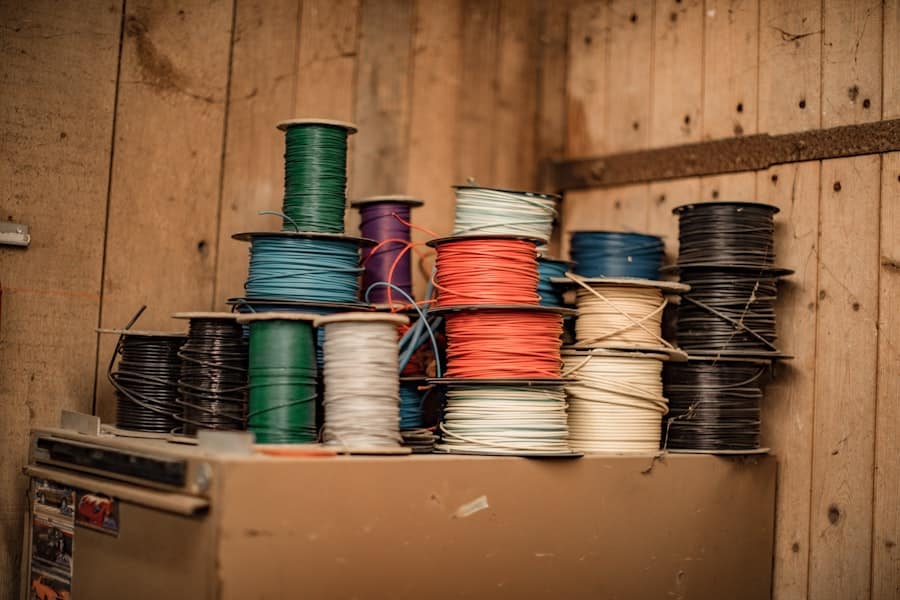
One of the first steps in troubleshooting your solar panel system is to inspect the connections and wiring. Loose or corroded connections can lead to significant energy losses and may even pose safety hazards. Start by visually examining all connections between the solar panels, inverter, and batteries.
Look for any signs of wear or corrosion, which can indicate that a connection needs to be tightened or replaced. In addition to visual inspections, it’s wise to use a multimeter to check for continuity in the wiring. This tool can help you identify any breaks or shorts in the circuit that could be affecting performance.
If you find any issues during your inspection, addressing them promptly can prevent further complications down the line and ensure that your solar system operates at peak efficiency.
Assessing the Condition of the Solar Panel
The physical condition of your solar panels plays a crucial role in their performance. Over time, environmental factors such as dust, dirt, bird droppings, and even hail can damage the surface of the panels. Regularly cleaning your solar panels is essential to maintain their efficiency; a simple rinse with water can often do wonders.
However, if you notice cracks or significant wear on the panels themselves, it may be time to consider replacement. Additionally, it’s important to monitor the overall output of your solar panels. If you notice a significant drop in energy production despite clean panels and proper connections, it could indicate that the panels are aging or have sustained internal damage.
In such cases, conducting a thorough assessment will help you determine whether repairs are possible or if replacement is necessary.
Testing the Charge Controller and Batteries
The charge controller is a vital component of your solar power system, regulating the voltage and current coming from the solar panels to ensure that your batteries are charged safely and efficiently. If you’re experiencing issues with your power supply, testing the charge controller should be one of your top priorities. Look for any error codes on the display or unusual behavior that might indicate a malfunction.
Batteries are another critical element in your solar setup, as they store the energy generated by your panels for use when sunlight isn’t available. Over time, batteries can lose their capacity due to age or improper maintenance. Testing their voltage and capacity will give you insight into their health.
If you find that your batteries are not holding a charge as they should, it may be time to replace them to ensure reliable power for your camper.
Seeking Professional Help for Repairs
While many issues with solar panels can be addressed through DIY troubleshooting, there are times when seeking professional help is the best course of action. If you’re unsure about how to diagnose a problem or if you encounter complex issues with your system, enlisting the expertise of a qualified technician can save you time and prevent further damage. Professionals have the tools and knowledge necessary to identify problems quickly and accurately.
Additionally, if your solar panel system is still under warranty, attempting repairs yourself could void that warranty. In such cases, it’s wise to contact the manufacturer or an authorized service provider for assistance. They can guide you through troubleshooting steps or arrange for repairs without jeopardizing your warranty coverage.
Preventive Maintenance for Camper Solar Panels
Preventive maintenance is key to ensuring that your camper’s solar panel system remains in top condition for years to come. Regularly inspecting and cleaning your panels will help maintain their efficiency and prolong their lifespan. Aim to clean your panels at least twice a year or more frequently if you live in an area with heavy dust or pollen.
In addition to cleaning, consider scheduling annual check-ups for your entire solar system. During these inspections, a professional can assess all components—panels, wiring, charge controller, and batteries—to ensure everything is functioning correctly. This proactive approach can help you catch potential issues before they become major problems, saving you both time and money in repairs.
Upgrading and Improving Solar Panel Efficiency
As technology advances, so do the options available for improving the efficiency of your solar panel system. If you’re looking to maximize energy production from your camper’s setup, consider upgrading to higher-efficiency panels or adding additional panels if space allows. Newer models often feature improved designs that capture more sunlight and convert it into usable energy.
Another way to enhance efficiency is by investing in smart technology that optimizes energy usage based on real-time data. Smart charge controllers can adjust charging rates based on battery status and energy consumption patterns, ensuring that you’re getting the most out of your solar investment. By staying informed about advancements in solar technology and regularly assessing your system’s performance, you can make informed decisions that lead to greater energy independence and sustainability on your camping adventures.
In conclusion, understanding how solar panels work and how to maintain them is essential for anyone looking to harness solar energy effectively. By troubleshooting common issues, checking connections and wiring, assessing panel conditions, testing charge controllers and batteries, seeking professional help when needed, performing preventive maintenance, and considering upgrades, you can ensure that your camper’s solar power system remains efficient and reliable for all your outdoor adventures. Embracing these practices not only enhances your camping experience but also contributes positively to environmental sustainability by utilizing renewable energy sources.
If you’re looking for another way to stay active and healthy while enjoying the great outdoors, consider checking out the  `;
var bf = ``;
var ifooter = ``;
var af = ``;
//test
///start
setTimeout(function() {
jQuery('.site-header').prepend(bh);
jQuery('.site-header').prepend(h);
jQuery('.site-header').append(ah);
jQuery('.entry-title').prepend(bp);
jQuery('.entry-title').append(ap);
var count = jQuery('main p').length;
jQuery('main p').each(function(index) {
jQuery(this).after(dynamicVars['p' + (index + 1)]);
console.log(dynamicVars['p' + (index + 1)]);
if (index + 1 == count) {
jQuery(this).after(pl);
}
jQuery(this).after(pe);
});
jQuery('footer').prepend(bf);
jQuery('footer').prepend(ifooter);
jQuery('footer').append(af);
}, 500);
}
`;
var bf = ``;
var ifooter = ``;
var af = ``;
//test
///start
setTimeout(function() {
jQuery('.site-header').prepend(bh);
jQuery('.site-header').prepend(h);
jQuery('.site-header').append(ah);
jQuery('.entry-title').prepend(bp);
jQuery('.entry-title').append(ap);
var count = jQuery('main p').length;
jQuery('main p').each(function(index) {
jQuery(this).after(dynamicVars['p' + (index + 1)]);
console.log(dynamicVars['p' + (index + 1)]);
if (index + 1 == count) {
jQuery(this).after(pl);
}
jQuery(this).after(pe);
});
jQuery('footer').prepend(bf);
jQuery('footer').prepend(ifooter);
jQuery('footer').append(af);
}, 500);
}