As you embark on the journey of RV living, the allure of freedom and adventure beckons. However, the practicalities of life on the road can sometimes feel daunting, especially when it comes to energy needs. This is where solar panels come into play, offering a sustainable and efficient way to power your mobile lifestyle.
Imagine waking up in a serene campsite, surrounded by nature, and knowing that your energy needs are met without relying on noisy generators or limited battery life. Solar panels provide a clean, renewable source of energy that can enhance your RV experience, allowing you to explore off-the-grid locations while maintaining the comforts of home. Solar energy is not just an eco-friendly option; it also offers significant cost savings in the long run.
By harnessing the power of the sun, you can reduce your reliance on traditional power sources, which can be particularly beneficial during extended trips. With advancements in technology, solar panels have become more efficient and accessible than ever before. Whether you are a weekend warrior or a full-time RVer, understanding how solar panels work and how to choose the right system for your needs is essential for a successful RV living experience.
Key Takeaways
- Solar panels are a great way to power your RV and reduce your reliance on traditional energy sources.
- When choosing solar panels for RV living, consider factors such as size, efficiency, durability, and cost.
- The top 5 solar panels for RV living include brands like Renogy, HQST, and Go Power.
- Each solar panel option has its own pros and cons, such as efficiency, price, and warranty coverage.
- Proper installation and maintenance are key to maximizing the efficiency and lifespan of solar panels on RVs.
Factors to Consider When Choosing Solar Panels for RV Living
When selecting solar panels for your RV, several factors come into play that can significantly impact your decision. First and foremost, consider your energy consumption needs. Assess how much power you typically use on a daily basis, taking into account appliances like refrigerators, lights, and electronics.
This will help you determine the size and capacity of the solar panel system you require. A common rule of thumb is to aim for a system that can generate at least 30% more power than your estimated daily usage to account for inefficiencies and cloudy days. Another critical factor is the type of solar panels available on the market.
There are primarily three types: monocrystalline, polycrystalline, and thin-film panels. Monocrystalline panels are known for their high efficiency and space-saving design, making them ideal for RVs with limited roof space. Polycrystalline panels are generally more affordable but may require more space due to their lower efficiency.
Thin-film panels are lightweight and flexible but often have the lowest efficiency ratings. Understanding these differences will help you make an informed choice based on your specific needs and budget.
Top 5 Solar Panels for RV Living

As you navigate the world of solar panels for RV living, it’s helpful to know which options stand out in terms of performance, reliability, and user satisfaction. Here are five top contenders that have garnered positive reviews from fellow RV enthusiasts: 1. Renogy 100 Watt 12 Volt Monocrystalline Solar Panel: This panel is a favorite among RVers due to its compact size and high efficiency.
It’s perfect for those with limited roof space and can easily be expanded with additional panels if needed. 2. Zamp Solar 160 Watt Portable Solar Panel: If you prefer a portable solution, this foldable panel is an excellent choice.
It’s easy to set up and pack away, making it ideal for those who frequently change locations. 3. Newpowa 100 Watt Polycrystalline Solar Panel: This budget-friendly option offers solid performance without breaking the bank.
It’s a great choice for those just starting with solar energy or looking to supplement their existing system. 4. ALLPOWERS 100W Flexible Solar Panel: For those with unique roof shapes or limited mounting options, this flexible panel can be easily installed on curved surfaces.
Its lightweight design makes it a versatile choice for various RV types. 5. Eco-Worthy 200 Watt Monocrystalline Solar Panel Kit: This comprehensive kit includes everything you need to get started with solar energy, including charge controllers and mounting hardware.
It’s perfect for those looking for an all-in-one solution.
Pros and Cons of Each Solar Panel Option
Each solar panel option comes with its own set of advantages and disadvantages that you should consider before making a purchase. The Renogy 100 Watt Monocrystalline Solar Panel is highly efficient and durable, making it a reliable choice for long-term use. However, its higher price point may deter budget-conscious buyers.
The Zamp Solar 160 Watt Portable Panel excels in portability and ease of use, allowing you to set it up quickly wherever you go. On the downside, its performance may not match that of fixed panels in terms of energy output over time. The Newpowa 100 Watt Polycrystalline Solar Panel offers an affordable entry point into solar energy but may require more space due to its lower efficiency compared to monocrystalline options.
This could be a drawback if roof space is limited on your RV. The ALLPOWERS 100W Flexible Solar Panel is incredibly versatile and can be installed in various locations on your RV. However, its lower efficiency may mean that you need multiple panels to meet your energy needs effectively.
Lastly, the Eco-Worthy 200 Watt Monocrystalline Solar Panel Kit provides an all-in-one solution that simplifies installation. While this kit is convenient, some users may find that they need additional components or upgrades as their energy needs grow.
Installation and Maintenance Tips for Solar Panels on RVs
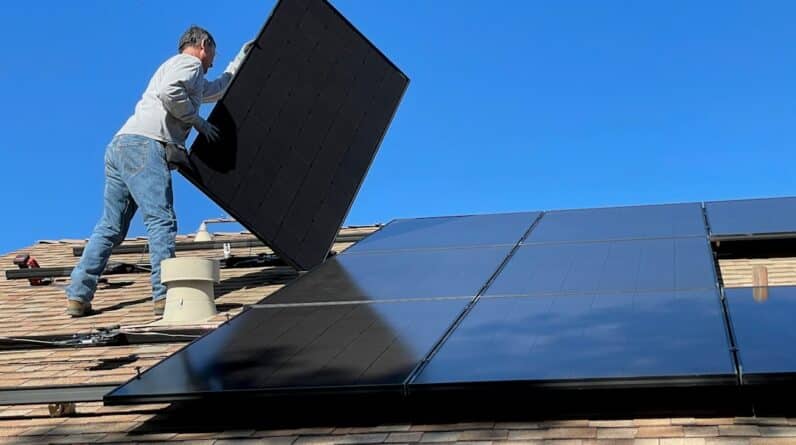
Installing solar panels on your RV can seem intimidating at first, but with careful planning and execution, it can be a straightforward process. Begin by selecting an appropriate location on your roof that receives maximum sunlight exposure throughout the day. Ensure that the area is free from obstructions like vents or air conditioning units that could cast shadows on the panels.
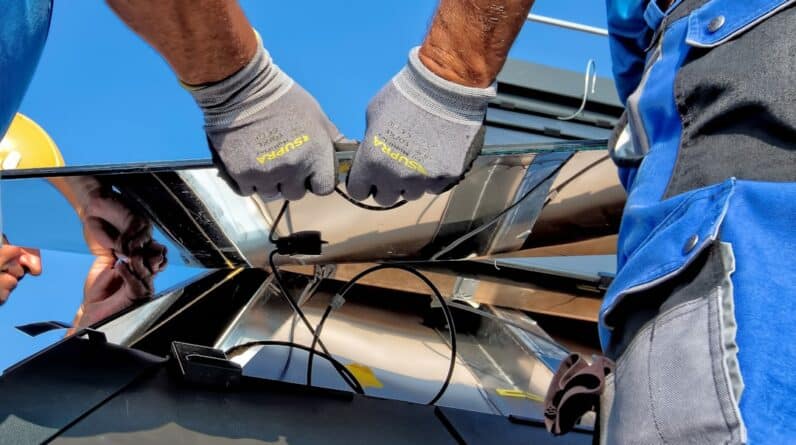
Once you’ve chosen a location, follow the manufacturer’s instructions for mounting the panels securely. Use high-quality adhesive or brackets designed for RV roofs to prevent leaks and ensure stability during travel. After installation, it’s essential to connect the solar panels to a charge controller and battery system properly.
This will help regulate the flow of electricity and protect your batteries from overcharging. Maintenance is equally important in ensuring the longevity of your solar panel system. Regularly clean the panels to remove dirt, dust, and debris that can hinder their efficiency.
A simple rinse with water or a gentle soap solution will suffice in most cases. Additionally, periodically check the connections and wiring for any signs of wear or corrosion to prevent potential issues down the line.
How to Maximize the Efficiency of Solar Panels for RV Living

To get the most out of your solar panel system while living in your RV, there are several strategies you can employ to maximize efficiency. First, angle your solar panels towards the sun whenever possible. If your setup allows for adjustable mounts, tilt the panels at an angle that captures direct sunlight throughout the day.
This simple adjustment can significantly increase energy production. Another effective way to enhance efficiency is by monitoring your energy consumption closely. Invest in a battery monitor or energy management system that allows you to track how much power you’re using versus how much you’re generating.
By being mindful of your usage habits—such as turning off lights when not in use or using energy-efficient appliances—you can extend the life of your battery bank and ensure you have enough power for essential devices. Additionally, consider investing in high-efficiency appliances designed specifically for RVs. These appliances consume less power than standard models, allowing you to stretch your solar energy further.
Finally, keep an eye on weather conditions; during cloudy days or inclement weather, adjust your expectations accordingly and conserve energy where possible.
Frequently Asked Questions About Solar Panels for RV Living
As you delve into the world of solar panels for RV living, you may have some questions about their functionality and practicality. One common question is whether solar panels can fully power an RV’s electrical system. The answer largely depends on your energy consumption habits and the size of your solar setup.
Many RVers find that with a well-designed system, they can meet most of their energy needs through solar power alone. Another frequently asked question revolves around battery storage options. Most solar panel systems require batteries to store excess energy generated during sunny days for use at night or during cloudy periods.
Lithium-ion batteries are becoming increasingly popular due to their longer lifespan and faster charging capabilities compared to traditional lead-acid batteries. Lastly, many people wonder about the lifespan of solar panels themselves. Generally speaking, high-quality solar panels can last anywhere from 25 to 30 years with proper care and maintenance.
This longevity makes them a worthwhile investment for anyone looking to embrace a sustainable lifestyle while enjoying the freedom of RV living.
Conclusion and Final Recommendations for Solar Panels for RV Living
In conclusion, investing in solar panels for your RV can significantly enhance your experience on the road by providing a reliable source of renewable energy. As you consider your options, take into account factors such as your energy needs, available space, and budget constraints. The top five solar panel options discussed offer a range of features suitable for various lifestyles and preferences.
Ultimately, choosing the right solar panel system involves balancing efficiency with practicality while ensuring it aligns with your unique travel habits. With proper installation and maintenance practices in place, you can enjoy the benefits of solar energy for years to come. Embrace this opportunity to reduce your carbon footprint while enjoying the freedom of exploring new destinations without being tethered to traditional power sources.
Your adventure awaits—let solar power light the way!
If you’re looking to enhance your RV living experience with the best solar panels, you may also be interested in the UMLO Cordless Cleaner. This versatile cleaning tool can be the perfect partner for all your cleaning needs while on the road. Additionally, you may want to check out the Outdoor Swimming Pool Set Review for a fun and relaxing addition to your RV setup. And for those who enjoy fishing or boating, the Garmin ECHOMAP UHD 93sv could be a valuable tool for navigating the waters during your travels.
FAQs
What are the best solar panels for RV living?
There are several top-rated solar panels for RV living, including Renogy, HQST, and Go Power! These brands offer high-quality, efficient solar panels specifically designed for use in RVs.
What factors should I consider when choosing solar panels for my RV?
When choosing solar panels for your RV, consider factors such as the size of your RV, your energy needs, the available space for installation, the efficiency of the solar panels, and the warranty offered by the manufacturer.
How much solar power do I need for my RV?
The amount of solar power you need for your RV depends on your energy consumption. Consider the appliances and devices you will be powering with solar energy and calculate your daily energy usage to determine the appropriate solar power capacity for your RV.
Can I install solar panels on my RV myself?
Yes, many RV owners choose to install solar panels on their RVs themselves. However, if you are not comfortable with DIY installation, it is recommended to hire a professional to ensure the solar panels are installed correctly and safely.
What are the benefits of using solar panels for RV living?
Using solar panels for RV living allows you to generate your own clean and renewable energy, reducing your reliance on traditional fuel sources. Solar panels also provide the convenience of off-grid living and can save you money on energy costs in the long run.